Buying or selling a home in the Hamptons is rarely as simple as it appears. Behind the scenes, buyers and sellers must coordinate with inspectors, attorneys, appraisers, and multiple deadlines. A single missed step can delay closing for weeks or even cause the deal to collapse.
Patty Oakley and Brian Leicht, licensed real estate salespeople with Saunders & Associates in Southampton, have guided hundreds of clients through Hamptons transactions over the past three decades. They have seen deals fall apart over seemingly minor oversights and closings proceed smoothly when everyone is prepared and informed. “Real estate, on the outside, looks relatively easy, but it can be a very complicated transaction,” Leicht says.
Here’s what actually happens in a Hamptons home sale, step by step — and where most buyers and sellers run into trouble.
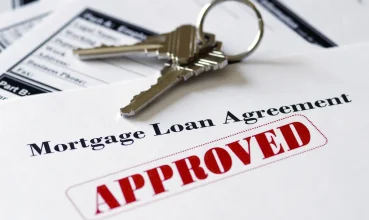
Step 1: Get Pre-Approved for a Mortgage
Who’s Involved: You and your mortgage lender
Timeline: 2–3 days with all documents ready
Cost: Free (credit check shows on your report)
Where Buyers Get Stuck: Many buyers confuse “pre-qualification” with “pre-approval.” Pre-qualification is only a rough estimate based on self-reported information, while pre-approval means the lender has verified your income, assets, and credit and is willing to lend a specific amount.
In the Hamptons, sellers expect a pre-approval letter before considering your offer. Without it, you risk losing the property to a more prepared buyer.
Step 2: Find the Right Property and Make an Offer
Who’s Involved: You, your agent, the seller’s agent
Timeline: Days to months, depending on inventory and your criteria
Cost: Earnest money deposit (1–3% of purchase price)
Where Buyers Get Stuck: Many buyers realize only after touring several homes how specific their needs are. Preferences often shift between modern and traditional styles once buyers see properties in person.
Oakley and Leicht advise buyers to tour multiple homes and ask detailed questions before making an offer. When ready, your agent submits your offer with the pre-approval letter and earnest money deposit. If the contract includes contingencies and the deal falls through for a covered reason, you usually get the deposit back.
Step 3: Negotiate Terms and Sign the Contract
Who’s Involved: You, your agent, the seller, and both attorneys
Timeline: 1–3 days for initial negotiation, then attorneys draft and review the contract
Cost: Attorney fees begin here (typically several thousand dollars)
Where Buyers Get Stuck: Offers missing key details or deadlines can lead to confusion and delays. If your offer lacks a pre-approval letter, most agents will not take it seriously.
After an accepted offer, attorneys negotiate the contract’s legal terms — what stays with the house, who pays for specific costs, and remedies if problems arise.
Step 4: Schedule and Complete the Home Inspection
Who’s Involved: You, your agent, a licensed home inspector
Timeline: Usually within 7–10 days of contract signing
Cost: $500–$1,500, based on property size and age
Where Deals Fall Apart: The inspection often reveals hidden issues such as mold, structural problems, or outdated systems. Oakley and Leicht recently worked with buyers who withdrew after discovering significant mold, which the sellers refused to address.
Buyers should assume they are purchasing the property as-is unless told otherwise. If major issues are found, you can ask for repairs, negotiate a price reduction, or walk away if your contract includes an inspection contingency.
Step 5: Secure Financing and Complete the Appraisal
Who’s Involved: You, your lender, and an appraiser hired by the lender
Timeline: 2–3 weeks
Cost: $500–$800 for the appraisal
Where Buyers Get Stuck: The appraisal determines if the home’s value matches your offer. If it comes in low, the lender will only finance up to the appraised value. You must either pay the difference in cash, renegotiate, or exit the deal.
In the Hamptons, appraisals occasionally come in under the contract price, especially given high property values and variable inventory.
Step 6: Final Walkthrough and Closing
Who’s Involved: You, your agent, your attorney, the seller’s attorney, and sometimes the seller
Timeline: Walkthrough 1–2 days before closing; closing takes 1–2 hours
Cost: Closing costs (2–5% of purchase price), including title insurance, attorney fees, and transfer taxes
Where Buyers Get Stuck: The final walkthrough is your last chance to confirm the property’s condition matches the agreement. Check that repairs are complete, appliances remain, and nothing has changed.
At closing, you sign documents and transfer funds. If you notice any discrepancies, raise them before signing.
The Takeaway
A Hamptons home sale involves many moving parts, and small missteps can have costly consequences. Knowing what to expect and asking the right questions can prevent delays and protect your investment. “Bringing the experience to the table that we have, we can kind of project how things are going to go,” Leicht says.
About the Experts: Patty Oakley and Brian Leicht are Licensed Real Estate Salespeople, Saunders & Associates, Southampton.