


Even Miami’s most affluent property owners are feeling the effects of high interest rates, with some now facing monthly mortgage payments so large they are reconsidering their real estate ...

Hartford’s Housing Boom Spurs Targeted Development Across Connecticut’s Capital Region

Written by:
Date:
10 Feb 2026
Share via Facebook

Share via Linkedin

Share via X

Copy to clipboard

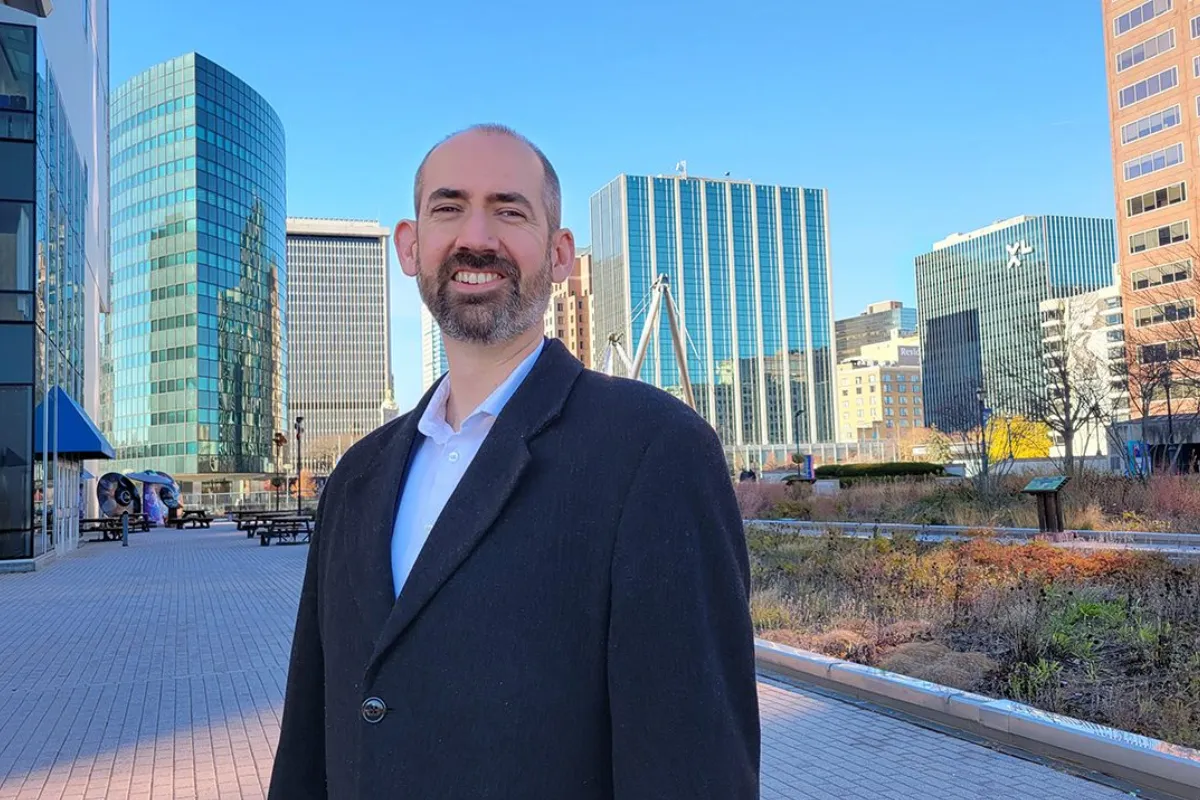
Connecticut’s Greater Hartford metro area has become one of the nation’s most active housing markets, creating both opportunities and challenges for local leaders. As demand for housing outpaces supply, the Capital Region Development Authority (CRDA) is at the center of efforts to expand residential options and revitalize the city. With a mandate that spans real estate finance and facility management, the CRDA is driving a new wave of urban development in the state capital and its surrounding communities.
A Dual-Focus Development Authority
The CRDA operates with a hybrid structure that blends public financing for real estate with direct management of major regional facilities. Executive Director David Steuber describes the organization as “kind of a public real estate investment bank for residential real estate,” providing low-interest loans alongside private lenders to support developers, especially in multifamily housing projects.
Beyond financing, the CRDA manages several key venues, including the Connecticut Convention Center, PeoplesBank Arena, Pratt & Whitney Stadium at Rentschler Field (home to UConn football), Hartford’s regional agricultural market, and a network of downtown parking garages. This dual focus gives the authority both the financial tools and operational insight to address housing shortages and support broader economic activity.
Over the past decade, this approach has proven effective as Hartford has worked to attract residents and investment back to its urban core.
Downtown Residential Growth
The CRDA has played a central role in driving residential development in downtown Hartford. Over the past 12 years, the organization has facilitated the creation of approximately 3,300 new downtown residential units, with several hundred more in active development. Steuber says the authority aims to repeat this volume in the years ahead, responding to persistent demand for new housing.
Recent projects highlight the CRDA’s strategy of using public funds to unlock private investment. For example, a $63 million renovation of a former state office building near Bushnell Park added 164 residential units, with the CRDA providing a $13.5 million loan to bridge the financing gap. This model — combining public support with private capital — has become standard practice for the authority as it seeks to maximize the impact of limited public dollars.
Steuber notes that the CRDA is “always looking out for new deal opportunities” to help close financing gaps and spur private sector activity. The goal is to supplement project capital stacks, not replace them, ensuring that public investment is always paired with significant private funding.
Converting Offices to Housing
The pandemic accelerated remote work and left many cities with a surplus of vacant office space. Hartford is no exception. The CRDA has responded by evaluating underused office buildings for potential residential conversions.
Steuber acknowledges that these projects are complex, often requiring significant reconfiguration to adapt older buildings for new uses. “Conversion projects are tricky because it’s hard to take an older building and reconfigure it to a new use,” he says, citing challenges such as floor plate layouts and building infrastructure.
The authority is taking a systematic approach, reviewing the office inventory to identify which buildings are viable candidates for conversion. This methodical process is necessary given the diversity of building types and the technical and financial hurdles involved in adaptive reuse.
Hotel Development and Convention Business
Hartford’s hospitality sector was hit hard during the pandemic, with the city losing around 700 hotel rooms. This shortfall has affected the convention business, which relies on large blocks of downtown hotel rooms for event attendees.
“When we bring in big groups, we need to find large blocks of hotel rooms to accommodate those folks downtown,” Steuber says. The CRDA recently issued a loan to help rehabilitate a small downtown hotel and is actively seeking additional hotel development opportunities.
A major challenge is balancing the spike in demand during significant events with the lower occupancy rates typical of everyday business travel. Steuber points out that “you really need to have a higher baseline to build the capacity that you need to accommodate peak demand times.” Without sufficient year-round hotel guests, it’s difficult to justify new hotel construction, but without enough rooms, Hartford risks losing major conventions and events.
Navigating Connecticut’s Local Regulations
Connecticut’s highly localized governance structure presents unique challenges for developers. Unlike states where county governments set regional standards, Connecticut is divided into 169 separate towns, each with its own zoning rules and building codes.
Steuber explains that “each one has some of their own custom rules, which can be new terrain for a developer who hasn’t worked in the state previously.” The CRDA helps bridge this gap by translating government processes and regulations for private-sector partners and aligning development projects with local requirements.
This hyper-local approach can slow projects and add complexity, but it also enables tailored solutions that fit each municipality’s character and needs. The CRDA’s experience navigating this landscape is a valuable asset for outside developers seeking to invest in the region.
Major Projects on the Horizon
Several significant projects are nearing completion in Hartford, reflecting both the city’s momentum and the CRDA’s strategic priorities. The PeoplesBank Arena is undergoing a $145 million renovation that will expand its event capacity and enhance downtown street life. The project is scheduled for completion by summer 2026 and is expected to attract new entertainment and sports programming to the city.
In the downtown North area, a 240-unit apartment complex is opening across from the Hartford Yard Goats Ballpark, one of the highest-rated minor-league stadiums in the country. This development has sparked additional investment in the surrounding “arrowhead area,” which connects downtown to the city’s north end. The CRDA is working with city officials and private partners to support further growth in this corridor and extend the benefits of downtown revitalization to adjacent neighborhoods.
Flexible Approach to Development Partnerships
To encourage new projects, the CRDA maintains an open, rolling request for proposals (RFP), allowing developers to submit proposals to the authority at any time. This flexibility, combined with close coordination with local mayors and economic development teams, creates a collaborative environment where public and private interests can be aligned early in the process.
The CRDA’s open-door policy and willingness to structure deals around the needs of specific projects make it an attractive partner for developers. Steuber emphasizes that the authority is always interested in “developments they may be considering,” highlighting the organization’s proactive role in fostering new initiatives.
Strategic Positioning for Continued Growth
The Greater Hartford region’s housing boom is forcing public- and private-sector leaders to rethink how they deliver housing, infrastructure, and amenities. The CRDA’s approach—leveraging public dollars to unlock private investment, converting underused assets, and managing critical facilities—offers a practical model for urban revitalization.
As demand for housing and hospitality rebounds, Hartford’s ability to deliver new units and modern facilities will determine its competitiveness among peer cities. The CRDA’s blend of financial expertise, operational management, and local knowledge positions it to lead this next phase of growth.
For developers considering projects in Connecticut’s capital region, the CRDA offers not just financial resources but also guidance in navigating the state’s complex regulatory landscape. The authority’s track record of delivering large-scale residential and mixed-use projects, combined with its willingness to partner and adapt, makes it a key player in Hartford’s ongoing resurgence.
Looking Ahead
Hartford’s rapid growth in the housing market, coupled with shifting work and travel patterns, has created both urgency and opportunity. The CRDA’s multi-pronged strategy — expanding residential supply, supporting hotel and convention infrastructure, and adapting to changing urban dynamics — will shape the city’s trajectory in the years ahead.
With major projects underway and a commitment to flexible, partnership-driven development, the CRDA is positioning Hartford as a model for how mid-sized cities can respond to housing shortages and urban challenges. For those looking to invest or build in the region, the authority stands ready to offer both capital and critical local expertise, helping to turn development ambitions into reality.
Similar Articles
Explore similar articles from Our Team of Experts.




Industry Profiles, Real Estate Investment, Residential Real Estate, Real Estate Services, Market Analysis & Policy
The American dream of homeownership now faces significant obstacles. In the 1970s, the average home price was just under twice the median income. Today, that ratio has risen to around six ti...

