“When you can’t see what you’re breathing, you need technology that makes the invisible visible,” says Steve Levine, President and CEO of AtmosAir Solutions. His comp...

From a Carpenter in the USAF to Mixed-Use Mastery How the M Vincent Real Estate Companies Navigates Market Cycles Through Diversification

Written by:
Date:
19 Sep 2025
Share via Facebook

Share via Linkedin

Share via X

Copy to clipboard

The commercial real estate landscape is experiencing significant shifts as property owners face mounting financial pressures from changing interest rates and market dynamics. While single-occupancy properties struggle with rising delinquency rates, one company has built its strategy around weathering these cycles through mixed-use diversification and opportunistic investments.
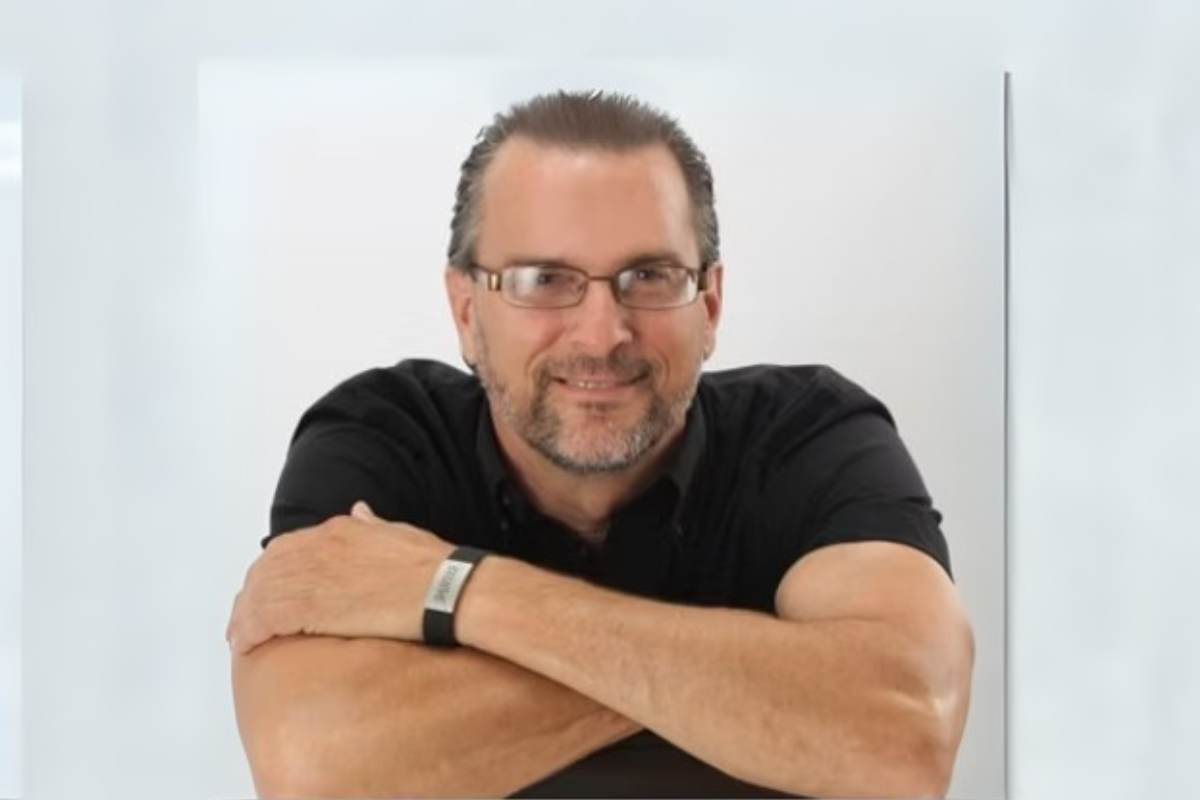
Mark Fansler, CEO of the group of M Vincent Real Estate Companies, has developed a comprehensive approach to real estate that spans seven companies and operates nationally. His philosophy centers on mixed-use development as a hedge against market volatility, treating different occupancy types as “built-in spare tires” that can carry projects through challenging periods.
Building a Foundation Through Experience
M Vincent’s path to real estate began unconventionally. After four years in military civil engineering, managing major Military Airlift Command construction projects, he transitioned to civilian construction. Over the years, he progressed from carpenter to executive vice president at companies generating hundreds of millions annually.
“I came up without a college degree, so the only way I could get the experience I wanted was to push the limits and go into places that I hadn’t been,” Fansler explains. This hands-on approach gave him expertise across all aspects of commercial mixed-use development, including construction, marketing, branding, and contract negotiations.
The transition from construction to development was natural for Fansler. “I left construction completely and went to work for a fairly large mixed-use real estate developer,” he notes. Within a year, he was running the company’s continental US development efforts as senior director.
The Mixed-Use Advantage
Fansler’s focus on mixed-use properties stems from practical market observations. “No matter what the market cycles were doing, generally only one type of real estate is in a tank at a time, unless something catastrophic happens,” he explains. This approach allows projects to maintain financial stability even when specific sectors underperform.
A typical M Vincent project might combine residential units with office and retail space, sometimes including hospitality. “If housing was in the tank, then I could still keep the job going with the retail and the office piece,” Fansler says. “They were sort of like built in spare tires for a car.”
This strategy is particularly relevant as current market conditions create challenges for single-occupancy properties. Fansler observes that while financial institutions maintain single-digit default rates overall, certain subsets of loan portfolios show delinquencies between 12-25%, particularly in office, multifamily, and retail in secondary markets.
Emerging Market Pressures
A significant challenge looms for commercial property owners who secured financing during the pandemic. “Back in 2020, 2021, and 2022, the federal government was subsidizing loans to banks so they could give mortgages out between one and a quarter down to minus quarter percent interest,” Fansler explains. These five-year terms are now coming due, with interest rates jumping to prime rates.
“The folks that took mortgages in 2020, starting in 2025, their interest rates are coming up to prime rate, and in many cases, that’s going to increase their mortgage payment as much as three times over what it is now,” he warns. This creates particular challenges for less sophisticated investors who hold property personally rather than through corporate structures.
The impact varies by region. “The Philadelphia five counties, for example, are fairly good, but you start getting away from it out into the counties that are not highly sought after, they’re beginning to struggle, and they’re going to get hit a lot harder,” Fansler observes.
Creative Problem Solving
M Vincent Group’s approach to distressed properties demonstrates innovative thinking. A recent example involves a decommissioned hospital in Florida that Fansler acquired for $7 million. The property included a city block of parking but faced multiple challenges: home values and rents couldn’t support the acquisition, the neighborhood couldn’t support office use, and the area already had many healthcare facilities.
The solution involved structural engineering and creative repositioning. “I ended up modifying the building using steel from my other company to convert the hospital’s live load from 100 pounds per square foot to meet the 125 pounds per square foot, which is what’s needed for storage,” Fansler explains. By reducing structural spans with additional steel support, the live loads became suitable for climate-controlled storage, with significantly less parking required.
The parking lot became equally valuable, as a result. “I turned the parking lot into out parcels and sold them approved, but not improved to a large national convenience store, a drugstore, and a car wash developer for the same price collectively that I bought the entire property for,” he notes. This approach essentially provided the building at no cost while creating a revenue-generating storage facility.
The partnership structure added value. “I partnered with the national self-storage provider and let them brand and manage the building, and in return, they financed the renovation,” Fansler says. The completed project is projected to be worth approximately $25 million.
Capital Structure and Investment Approach
Mark Vincent Fansler sets up either debt funds or equity funds to support its ventures. Each venture with its own fund. These funds offer attractive targeted returns to their investors, while significantly outperforming traditional investments. “We don’t target weak real estate ventures,” says M Vincent.
For it debit investors, the company structures investments to protect participants through a first-position lien. “I’ll put all investors in an LLC, and then I’ll partner with the LLC and give the LLC a lien against the property, so they all have first position,” he notes. This ensures equal protection rather than creating a hierarchy of security interests.
For its equity investors, the company structures partnerships with the investors, giving them their prorated shares in ownership, while limiting their liability. They get their share of the income after expenses and debt service as well as their share of the equity created.
Current ventures are showing the likely returns of 18% or more for the equity investors and the debt invetors typically are seeing 10% or more in interest.
Market Outlook and Opportunities
Looking ahead, Fansler sees the greatest opportunities in secondary. “Generally, it is in times like this, the secondary markets provide the biggest opportunities, not the major metropolitans, is what I mean by that,” he explains.
The focus remains on commercial mixed-use properties due to their resilience across market cycles. “The commercial mixed-use is more vital now than ever if you’re looking for long-term investments,” Fansler emphasizes. “It’s one of the safest things you can put your money in, because even with the inevitable market cycles, with multiple occupancy types in the same deal, it will always withstand the storm.”
This philosophy extends to the company’s acquisition strategy, targeting distressed properties that have been poorly managed or maintained, land development opportunities and adaptive reuse opportunities. “We’re buying big, abandoned buildings or failing buildings, and converting a single-use building into a multi-use building,” Fansler says.
Mark Vincent Fansler’s mixed-use model demonstrates how comprehensive market knowledge, creative problem-solving, and strategic diversification can create opportunities even in challenging market conditions. As commercial real estate faces continued pressure from interest rate adjustments and changing occupancy patterns, Fansler’s approach of treating different property types as complementary components of a resilient portfolio offers valuable insights for investors and developers navigating uncertain times.
M Vincent Real Estate Companies, Mark Vincent Fansler encourages them to Google his full name, Mark Vincent Fansler, to find information about all seven companies within the organization and reach out to schedule a call.
Similar Articles
Explore similar articles from Our Team of Experts.