
The luxury real estate business operates on a fundamentally different timeline than most professionals realize, according to Jed Weaver, a Realtor with The Keyes Company who has spent two de...

From the FBI to Real Estate Coaching: Applying Structure to Agent Performance

Written by:
Date:
28 Jan 2026
Share via Facebook

Share via Linkedin

Share via X

Copy to clipboard

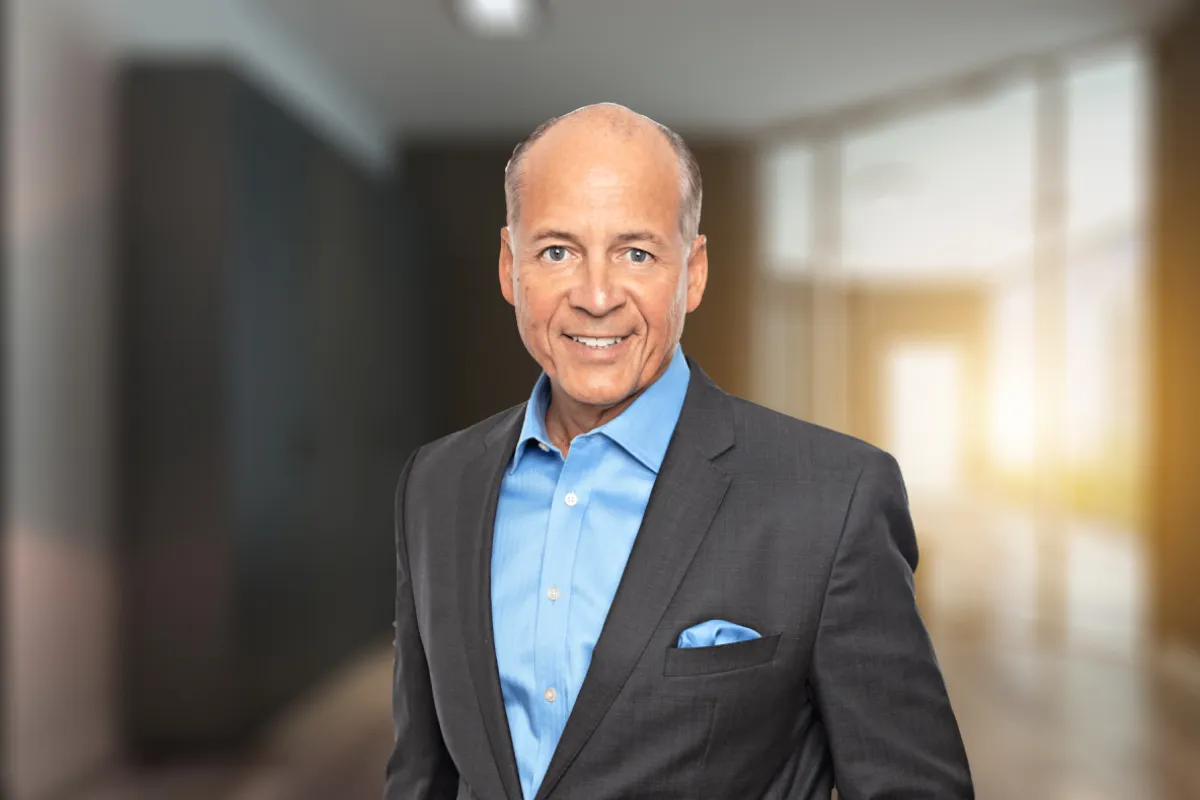
The real estate industry is facing a stark reality: recent data shows that 71% of agents finished 2025 without closing a single transaction. Bill Crespo, CEO and Founder of Path2PRO Coaching, sees these numbers not as an indictment of individual agents, but as evidence of a widespread lack of structure and training in the profession, problems he believes can be fixed with the right approach.
Crespo’s journey to real estate coaching began far from the world of property sales. “I started off wanting to become an FBI agent,” he says. Hired at age 20 to work in the FBI’s identification division in Washington, D.C., Crespo spent his early career counting fingerprint ridges and analyzing patterns, work that was soon automated by computers.
A New Direction Through Opportunity
His career path changed unexpectedly while working as a waiter to supplement his income. One evening, he noticed a DJ setup at the restaurant and asked about the job. “He said, ‘We’re hiring. Would you be interested in learning how to do this?” Crespo recalls.
Leaving the FBI for an entertainment career was a difficult decision, especially for his family. Yet, the move satisfied a creative impulse he’d felt since high school. His work as a DJ, runway model, and television personality gave him public speaking skills and stage presence, abilities that would later prove crucial as a trainer and coach.
“I was always on the microphone since high school,” Crespo says. “It helped me to be on stage, to talk on a microphone, to present.”
Building a Different Kind of Real Estate Career
Crespo entered real estate at age 30 and spent four decades as a top producer, office manager, and trainer with Century 21. But his approach to coaching was shaped by a decision early in his management career: hiring a trainer from outside the real estate industry.
“The training has always been terrible in real estate,” Crespo says. As one of the youngest manager-owners of a real estate office, he and his business partner wanted to try something new. They brought in GuruGanesh Khalsa, a top technology sales trainer with no real estate background. By watching Khalsa’s methods, Crespo realized the benefits of a non-pushy, collaborative sales approach.
“It was very relaxing. It was a win-win on both sides,” Crespo recalls. He credits this introduction to “reverse selling” with changing his outlook on training and sales. “What I learned from Ganesh gave me so much control, and it made the process easier and less tense.”
Diagnosing the Industry’s Weak Points
After three decades of applying these ideas, Crespo has identified three core issues holding agents back: inconsistency, lack of discipline, and poor focus. He says these weaknesses stem from a lack of structure that would be unacceptable in most corporate environments.
“In real estate, everything is so unstructured,” Crespo says. “From management to agents, it’s not run like a corporate business. You have a cycle of poor training and weak leadership, and that’s why big corporate players are starting to move in, they’re imposing structure.”
He sees another problem: office managers hesitate to set high expectations or hold agents accountable out of fear of losing staff. “Instead of building a professional environment, you see low production,” he says.
The Path2PRO Coaching Model
Crespo’s coaching system is designed to address these problems with a structured, three-level progression that moves agents from inconsistent performance to running leveraged businesses. The entry point is the Leverage Accelerator, a 90–120-day program focused on building consistency and structure.
“The first level is about fixing consistency, discipline, and focus before adding more advanced skills,” Crespo explains.
The next stage, Leverage Leader Mastermind, centers on team building and delegation, while the highest level, Boardroom CEO, helps established team leaders increase productivity across their organizations.
Crespo modeled this system on high-performance development in other fields. He drew inspiration from his daughters’ elite gymnastics training and from conversations with Navy SEALs in Virginia Beach. He saw firsthand how structured progression could turn average performers into top talent.
“I watched them develop and thought, ‘If we could develop agents like that, we could achieve amazing results,’” he says. “The military can turn a recruit into an elite operator. Why not apply the same principles to real estate?”
Leverage as the Central Principle
At the heart of Crespo’s philosophy is leverage, not just financial, but operational and personal. Many agents, he observes, are frustrated by the demands of the business and want to earn more while regaining time for their personal lives.
“I had a bunch of children, I live at the beach, and I like to do other things,” Crespo says. “I want to make good money and still enjoy life, not wait until retirement to figure that out.”
He believes the answer is building systems that allow agents to step back from daily firefighting and focus on high-value activities. Crespo points to Richard Branson as an example of someone who can lead multiple businesses and still have time for other pursuits. “It’s because he understood leverage,” Crespo says.
Market Pressures and the Push for Professionalism
Crespo acknowledges that not all agents want this level of structure. “Some people still want the real estate roller coaster,” he says. But he believes changing market conditions are forcing a new level of professionalism. As inventory grows and deals become harder to close, agents without strong skills and systems are falling behind.
“When the market gets tough, the skill level needs to be higher,” Crespo says. “Half the agents out there don’t have the skills to maintain their income when things change.”
He argues that agents who adopt a structured approach and embrace professional development can separate themselves from the competition. “You make your competition irrelevant by going to your next level,” he says.
What’s Coming Next
With Path2PRO’s updated coaching system launching in 2026, Crespo sees the industry at a turning point. Technology, rising consumer expectations, and tighter economic conditions are creating new risks and opportunities for agents.
“The consumer is more educated than the agent now,” Crespo says. “Agents have to become a high-premium product—demonstrating expertise and influence that stand out.”
Crespo believes the answer is not working harder within the old system, but changing how agents approach their business and client relationships. After four decades in real estate and years studying high performance in other industries, he’s convinced that systematic growth and operational leverage are essential for agents who want to succeed in the coming years.
A Clear Choice for Agents
Looking ahead, Crespo sees a clear divide emerging in real estate: agents who adapt to structure and continuous improvement will thrive, while those who resist change will struggle to survive. As the market demands more from its professionals, the gap between top performers and the rest will only widen.
For Crespo, the question is no longer whether the industry will change, but which agents will take the lead in that process—and which will be left behind. The next era of real estate will reward those willing to build systems, discipline, and leverage into every part of their business.
Similar Articles
Explore similar articles from Our Team of Experts.