Fort Worth, Texas, has ranked among the fastest-growing cities in the United States, adding roughly 20,000 residents annually over the past two decades. That pace of growth has driven up housing costs, strained permitting systems, and exposed the limits of aging infrastructure across the city — pressures especially concentrated in District 9, which spans downtown, the medical corridor, TCU, and historic neighborhoods south to Interstate 20.
Elizabeth Beck, the council member representing District 9, spoke about how the district is navigating these compounding challenges. With a background in city planning, military service, and employment law, Beck outlined where policy friction tends to emerge, how development incentives are being deployed, and what the city’s rapid expansion means for housing affordability and infrastructure investment in one of the country’s most active real estate markets.
Housing Costs Rise
Fort Worth’s rapid population growth has driven up housing costs, creating affordability pressures that affect residents across income levels. With 20,000 new residents arriving each year, demand for housing has outpaced supply, leaving fewer affordable options for working families and first-time buyers.
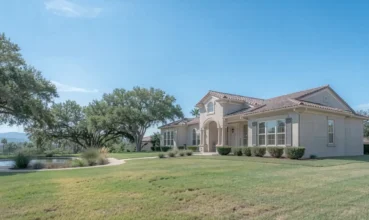
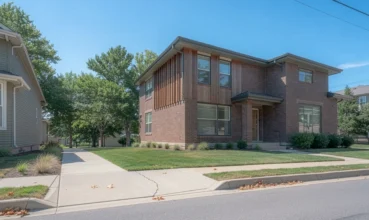
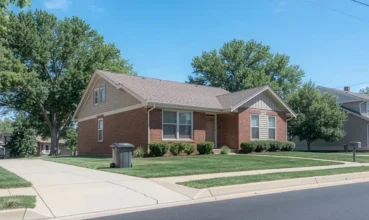
The city is working to close that gap by encouraging a broader mix of housing types, including townhomes, duplexes, and single-family homes at varying price points. A $10 million affordable housing package included in a city bond measure headed to voters on May 2 is intended to spur new construction in that segment of the market.
Permitting Delays
Fort Worth has received national recognition for having one of the more efficient development departments in the country, but delays still surface regularly for projects moving through the approval process. Council offices frequently step in to help developers navigate roadblocks, acting as a liaison when applications stall inside city departments.
The arrival of a new city manager in late 2024 has added optimism around how development tools are deployed. Jay Choppa, who previously led the city’s economic development department, brings deep familiarity with the incentive landscape and, according to Beck, understands that development supports economic growth and is willing to work creatively with the community to see Fort Worth thrive.
Aging Infrastructure Strains Development
Many of the remaining undeveloped parcels in District 9 sit in older, established parts of the city where easements, outdated utility placements, and right-of-way constraints add cost and complexity to construction. These conditions reflect earlier planning eras when coordination between city departments was less consistent, and they continue to complicate projects that might otherwise move forward.
Tax Increment Financing districts, which direct future property tax gains from a designated area back into improvements within it, are among the tools the city is using to make these difficult sites more viable. Beck also pointed to the Alta Mesa and McCart corridor in the southern part of the district as a commercial area she would like to see redeveloped.
Zoning and Incentives Shape Approvals
The city council’s primary points of influence over development are zoning changes and economic incentive packages. Projects that already meet existing zoning and site plan requirements proceed through the standard approval process with limited council involvement. In contrast, those requiring zoning changes must go to a council vote.
Economic incentives have become an increasingly important tool for advancing larger or more complex projects, particularly in areas where development costs are higher. Understanding which lever applies to a given project is key to estimating how long approvals will take and which considerations may come into play.
Bond Measure Targets Affordable Housing
A city bond measure set for a May 2 vote includes $10 million designated for affordable housing development. The funding is intended to help close the gap between the cost of building new housing and what lower-income residents can realistically afford, a gap that has widened as construction costs and land prices have climbed alongside population growth.
Support for affordable housing on the city council is broad. Beck noted that council members all hold full-time jobs outside their council roles and understand the financial pressures residents face. The bond measure represents one of the more direct policy tools available to the city, though officials acknowledge it is one part of a longer effort.
About the Expert: Elizabeth Beck is the Fort Worth, Texas City Council member representing District 9, which covers downtown, the medical corridor, TCU, and established residential neighborhoods extending south to Interstate 20. She holds a background in city planning, military service, and employment law.
This article is based on information provided by the expert source cited above. It is intended for general informational purposes only and does not constitute legal, financial, or real estate advice. Readers should conduct their own research and consult qualified professionals before making any real estate or financial decisions.