Recent building safety legislation enacted after the Surfside collapse has fundamentally changed the balance of supply and demand in Miami’s luxury condo market, but not in the way most ex...

Fort Wayne’s Strategic Playbook: How a Midwest City Attracts National Developers

Written by:
Date:
26 Jan 2026
Share via Facebook

Share via Linkedin

Share via X

Copy to clipboard

Midwestern cities long dismissed as declining industrial centers are now drawing national investment, and Fort Wayne, Indiana, stands out as a leading example. Once marked by a struggling downtown and stagnant growth, Fort Wayne has steadily repositioned itself as a city where major developers now compete to take on high-profile projects. The recent response from 20 national developers to a single mixed-use proposal marks a dramatic turnaround that did not happen by chance.
From Decline to Downtown Catalyst
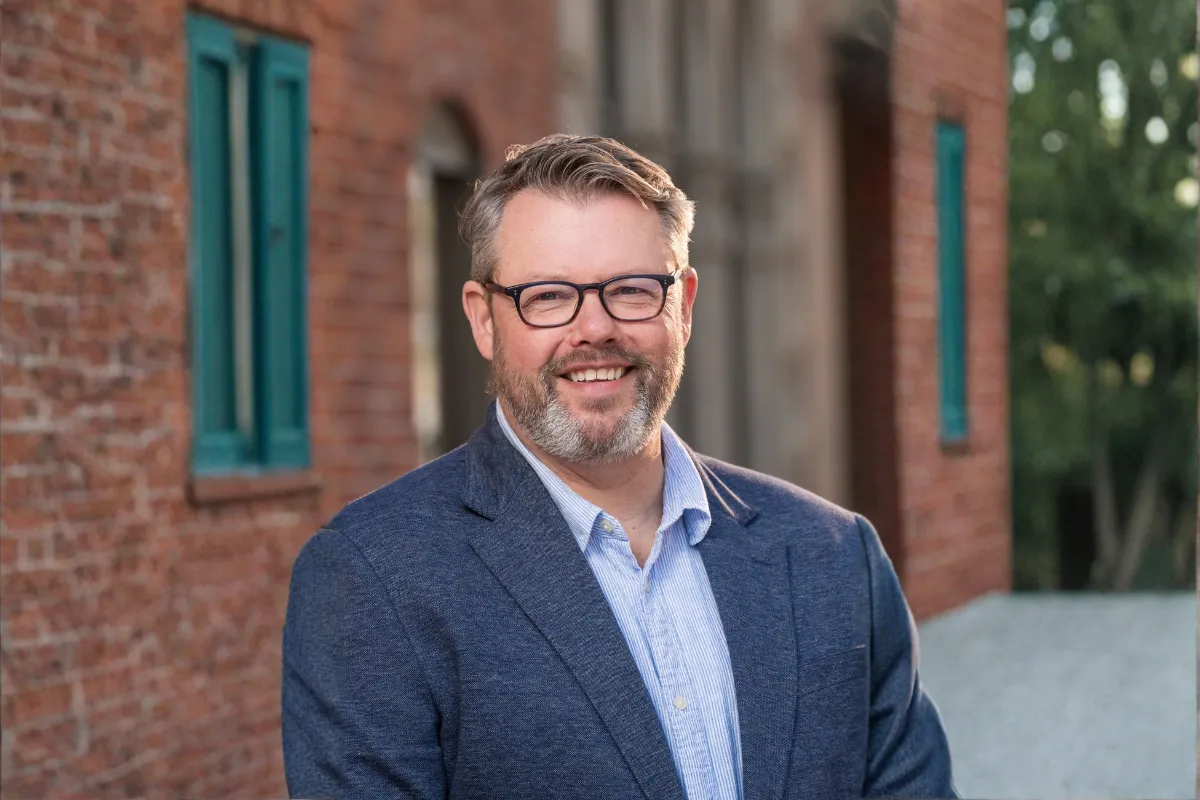
Fort Wayne’s resurgence began nearly two decades ago with a deliberate bet on downtown revitalization. City leaders decided to build Parkview Field, a minor league baseball stadium, in the heart of downtown, a move that would set the stage for further investment. According to Alec Johnson, Deputy Director of Redevelopment for the City of Fort Wayne, the city was at a low point. “We were one of those Midwest cities that were sort of dying out downtown,” Johnson recalls. “We built a baseball stadium downtown. That was the catalyst to kick off further downtown revitalization.”
This single project sparked momentum that has carried through nearly 20 years. Johnson, who initially planned a short stint in Fort Wayne, watched as developer interest steadily increased. “Developers weren’t terribly interested in Fort Wayne 20 years ago,” he says. Today, the city’s latest project—the North River Fieldhouse—demonstrates just how far things have come.
A New Model for Youth Sports Tourism
The North River District is Fort Wayne’s most ambitious effort yet: a 29-acre mixed-use development designed around youth sports tourism, a $50 billion industry that has grown rapidly in recent years. Fort Wayne’s central location, within a two-to three-hour drive of Chicago, Indianapolis, Cincinnati, and Cleveland, positions it to attract regional tournaments and year-round visitors.
But geography is only part of the equation. Most youth sports complexes are built on the outskirts of cities, surrounded by parking lots and disconnected from local amenities. “People visit for tournaments, pull up to a giant parking lot, do their thing at the tournament, then hop in the car and drive to another exit,” Johnson explains. Fort Wayne’s approach is intentionally different. The city is integrating the field house with hotels, restaurants, housing, and entertainment, all within a walkable district. “You walk out after your sporting events are done, and you’re in this vibrant district,” Johnson says.
By embedding the sports facility within a mixed-use environment, Fort Wayne aims to create a destination that encourages longer stays and greater local spending. This strategy not only benefits visiting families but also drives demand for new housing, retail, and hospitality development in the district.
Turning Brownfields Into Opportunity
The North River site itself reflects the city’s willingness to take on complex, high-risk projects. For years, the 29-acre property sat vacant as a former metal scrapyard, considered too challenging for private developers due to the environmental remediation required. “No private interest was willing to buy it at the time, just because of the amount of remediation that had to happen on the site,” Johnson says.
Recognizing that private investment would not materialize without public intervention, the city purchased the land and secured federal brownfield grants to address contamination. This public-first approach enabled Fort Wayne to unlock a prime development site that had been sidelined for decades.
The city’s strategy is clear: use public resources to clear obstacles that would otherwise block private investment. When Fort Wayne hired global design firm SWA to reimagine its riverfront, the consultants emphasized that high-quality public infrastructure could yield a tenfold return in private investment. “Every dollar that we spent on public infrastructure and public park space along the rivers would result in close to $10 of private investment,” Johnson explains.
The emphasis on quality proved critical. Promenade Park, the first downtown riverfront park, opened in 2015 and quickly garnered state and national design awards. More importantly, it set a new standard for what public spaces could achieve in the city, attracting residents and investors alike.
A Developer-Friendly Environment
Beyond physical improvements, Fort Wayne has worked to remove barriers that often slow or derail development in other cities. The city is known for its streamlined approval processes and willingness to collaborate with developers to solve problems quickly.
Johnson points out that time is a critical factor for developers. “The things that make development hard—they lose a lot of money in that time,” he says. “Time kills deals, and the longer you need to spend getting through the process, the costs are just gradually going up during that time.”
Fort Wayne uses traditional incentive tools such as tax increment financing and tax abatement, along with access to federal remediation grants. However, Johnson believes the city’s hands-on, solutions-oriented approach may be even more valuable. Developers often report that they must educate or push municipal leaders in other markets, but in Fort Wayne, city staff understand the challenges and respond quickly. “They know they’re working with somebody who knows what they’re doing. I think that might even outshine, sometimes, the incentives,” Johnson says.
This reputation for efficiency and competence reduces risk for developers, making the city more attractive compared to larger, more bureaucratic markets.
Sustained Market Demand
Current market data support Fort Wayne’s growth trajectory. A recent housing feasibility study found that downtown can absorb 275 to 290 new residential units per year, and roughly 800 units are set to come online in the next few years. This consistent demand for new housing is drawing continued interest from both local and national developers.
As the residential base grows, new needs are emerging. Johnson frequently fields questions about when a downtown grocery store might open. While the market may not yet support a large-format grocer, the city is exploring smaller, urban-format options to meet this demand. “We’re hoping that there are other products—smaller footprint products that would work in Fort Wayne,” Johnson says.
The city is also focused on encouraging incremental development alongside major projects. Johnson argues for incentivizing local developers to build smaller-scale, mixed-use buildings reminiscent of traditional urban growth. “When you think about how cities used to be developed—with a single two or three-story building, first-floor retail, and apartments above—those patterns create a more resilient and interesting downtown,” he explains.
Lessons for Secondary Markets
Fort Wayne’s evolution offers a clear blueprint for other mid-sized cities seeking to attract national investment. Strategic public investment, high-quality planning, and a developer-friendly environment have combined to shift the city’s trajectory. The response from 20 national developers to the North River project is a sign that these efforts are paying off.
For developers considering secondary markets, Fort Wayne demonstrates that thoughtful planning and public-private partnership can create compelling opportunities. The city’s leadership prioritizes removing barriers and making the development process as straightforward as possible—a sharp contrast with the red tape found in many larger cities. As Johnson puts it, “We prioritize making development easy. We remove the barriers that you might see in a more competitive big city.”
Looking Ahead
Fort Wayne’s experience suggests that mid-sized cities can compete for national attention by investing in public assets, addressing environmental and logistical challenges head-on, and fostering an environment where private developers can move quickly and confidently. The city’s approach has created momentum that is now visible in its skyline, its housing market, and its growing list of high-profile projects.
As more developers look beyond major metros for new opportunities, Fort Wayne stands as a model for how cities can reposition themselves—and their downtowns—as engines of growth. The lessons from Fort Wayne are clear: invest in quality, solve problems proactively, and make it easy for partners to say yes. The result is a city that has not only reinvented itself, but is now shaping the next chapter of Midwest urban revitalization.
Similar Articles
Explore similar articles from Our Team of Experts.

Resilience and Adaptation: Northern Virginia's Real Estate Market Through the Eyes of Dallison Veach
Few markets demonstrate the resilience and complexity of real estate like Northern Virginia. Dallison Veach, a third-generation real estate professional and award-winning agent, offers a uni...
Perspectives, Commercial Real Estate, Real Estate Investment, Market Analysis & Policy, Industry News
Downtown San Francisco restaurant sales are approaching pre-pandemic levels and major real estate deals are closing again, marking what local experts say is a decisive turn in the marketR...