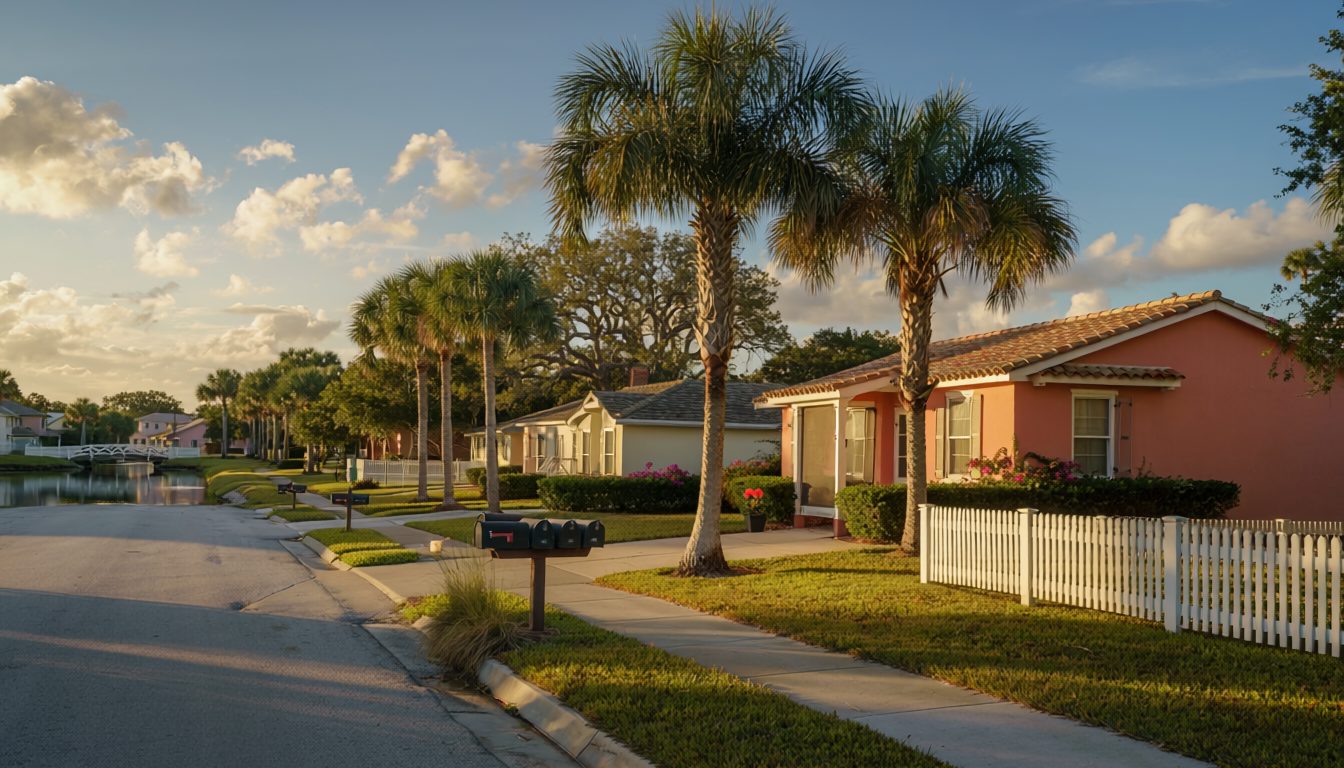
A pending ballot measure could meaningfully lower property tax obligations for Florida homeowners, strengthening the state’s financial appeal for out-of-state buyers already considering a move.
A Tax Story Worth Sharing
Florida’s reputation as a low-tax destination rests on one well-known fact: the state has no income tax. That advantage has fueled migration for years, particularly among high earners moving from Illinois, New York, and California. But according to Tony Baroni of the Tony Baroni Team in Tampa Bay, an even more consequential tax development is one many Americans haven’t yet heard about.
A ballot measure known as Amendment Three would expand Florida’s homestead exemption, the portion of a primary residence’s assessed value shielded from property taxes, from $50,000 to $250,000. The increase comes with stipulations, but Baroni believes its potential financial upside is still underappreciated outside Florida.
“I don’t think the rest of America understands how big that can be for people if they want to move to Florida,” Baroni says.
Moving From Chicago to Tampa Bay
Under the current structure, Florida homeowners who declare a property their primary residence receive a $50,000 reduction in assessed value for property tax purposes. Amendment Three would raise that to $250,000.
For a buyer purchasing a home at Tampa Bay’s current average sales price of $512,000, according to Baroni, the difference is substantial. A $250,000 exemption would reduce the taxable assessed value to $262,000, compared to $462,000 under the existing exemption. Understanding numbers like these is central to answering a question many newcomers ask: how much house can you afford in Tampa Bay?
Baroni says this resonates most with the buyer profile he sees most frequently: baby boomers and medical professionals moving from the Chicago metro area. Many are drawn by the opportunity to enjoy lower ongoing property taxes than they are accustomed to, well before any exemption applies.
“They’re really looking forward to more predictable property taxes,” Baroni says. “Florida offers a lot of long-term stability for them.”
A Compound Effect Across Multiple Incentives
Baroni’s point is that Amendment Three doesn’t exist in isolation. It builds on top of Florida-specific financial incentives that together create a relocation case even stronger than the income tax headline alone suggests.
Beyond no state income tax, Baroni points to Florida Prepaid, a state-administered program that allows families to lock in future college tuition costs at current rates through lump-sum payments. For buyers with children approaching college age, the program can represent significant long-term savings.
“There’s a lot of great incentives like that that I don’t know if a lot of people know about,” Baroni says.
For high-net-worth households and retirees making long-term wealth preservation decisions, Baroni suggests the combination of no income tax, an expanded homestead exemption, and programs like Florida Prepaid creates a financial profile that extends well beyond the real estate transaction itself – part of what makes it a strong time to buy a house in Tampa Bay and a compelling place to retire in Tampa Bay.
Market Implications if Amendment Three Passes
Baroni is optimistic about what he thinks a successful vote would mean for Tampa Bay’s housing market: accelerated growth on top of an already active migration trend.
“If that were to pass, we think our market’s going to really, really start growing even more based on the tax incentives with property taxes,” Baroni says.
The Tony Baroni Team tracks average sales prices on a monthly basis, according to Baroni, and uses that data to help relocating buyers compare affordability between Tampa Bay and their current markets. Baroni says the current average of $512,000 already compares favorably to comparable properties in the Chicago metro, and that a further reduction in ongoing property tax obligations would make that comparison even more attractive.
Who Is Moving – and Why It Matters for Tampa Bay
The buyers driving this trend represent a wide range of backgrounds. Baroni says his team works with young professionals, baby boomers, grandparents moving closer to family, and job relocations. Baby boomers represent the largest share, he says, because they often hold the most wealth and have the most flexibility to act on cost-of-living advantages.
Among working-age relocators, Baroni says doctors and nurses make up a notable share. New hospital construction across Tampa Bay and Orlando is drawing medical professionals to the region – a demand-side driver that exists independent of tax policy but complements its effect. For families exploring the best areas to live in Tampa Bay and the best areas to live in Orlando, that growth adds even more appeal.
For buyers comparing Chicago and Tampa Bay, the financial case already favors Florida on several fronts. If Amendment Three passes, the advantages would only grow – making Florida an increasingly straightforward choice on both lifestyle and household economics. Buyers ready to explore their options can start their search for a home in Tampa Bay with the team’s guidance.
About Tony Baroni: The Tony Baroni Team at Keller Williams is a 24-person relocation and listings specialist serving the Tampa Bay to Orlando corridor. Ranked in the top 1% of Keller Williams agents nationwide, the team closes 30–40 transactions a month, primarily helping out-of-state buyers relocate to Central Florida.
This article is based on information provided by the expert source cited above. It is intended for general informational purposes only and does not constitute legal, financial, or real estate advice. Readers should conduct their own research and consult qualified professionals before making any real estate or financial decisions.