
Real estate investment expert Brett Swarts argues that traditional financial planning is failing high-net-worth property investors, pointing to a critical gap between conventional wealth man...

Rural Demand Pushes Pensacola Buyers Beyond Established Neighborhoods

Written by:
Date:
04 Feb 2026
Share via Facebook

Share via Linkedin

Share via X

Copy to clipboard

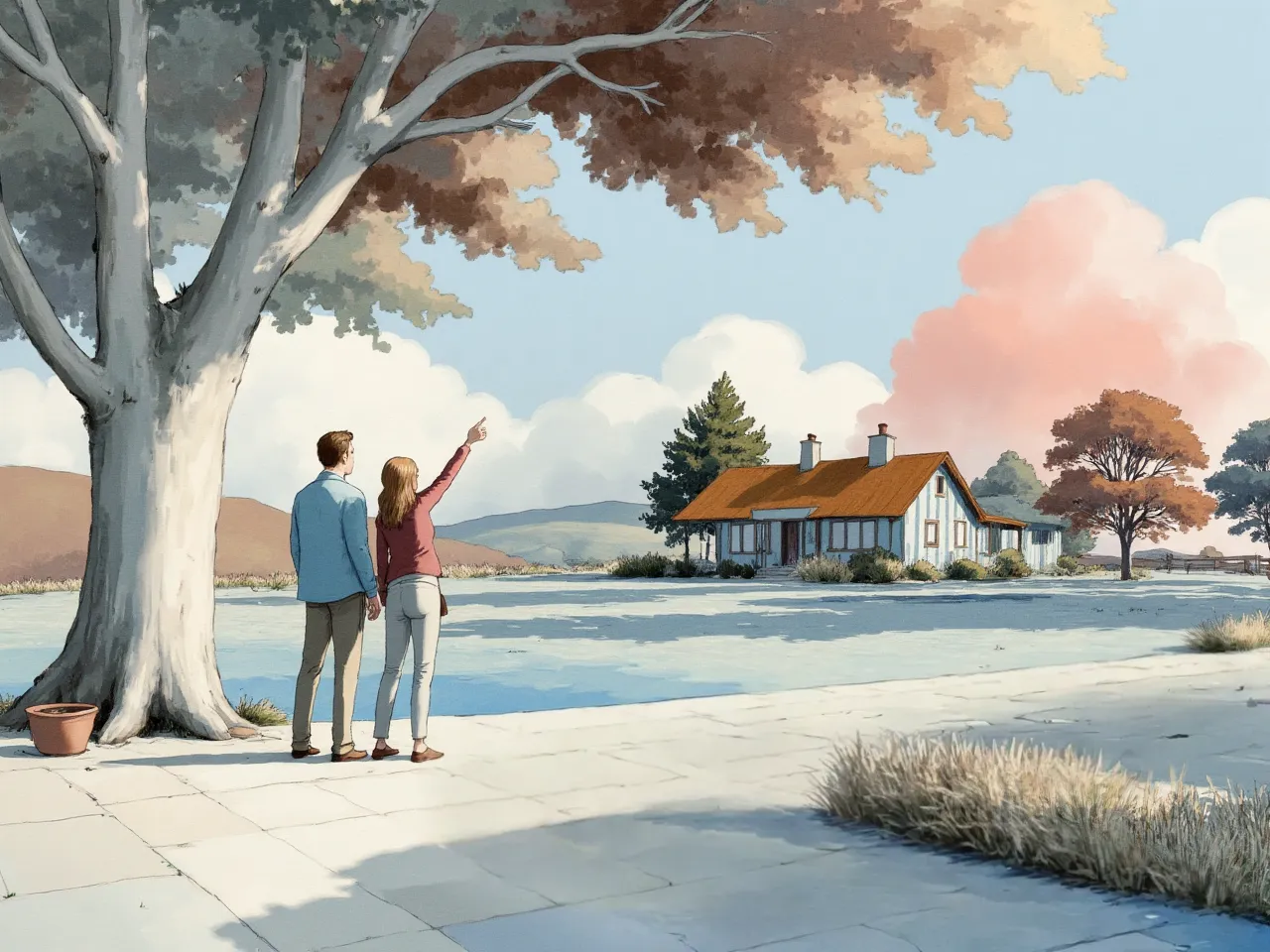
A steady migration is redrawing the real estate landscape in secondary markets like Pensacola, as more buyers leave established neighborhoods and city centers in favor of rural properties with acreage. Local real estate professionals say this shift is not just a matter of lifestyle preference but is systematically altering demand patterns and development boundaries across the region.
Kathy Batterton, team leader of The Kathy Batterton Team in Pensacola, has closely tracked the trend. She notes that demand for rural living now extends well beyond isolated cases. “We’re seeing more and more people in our area want to move away from the cities out into the country,” Batterton says. “Everybody wants to be in the country. But that country is pushing further and further out in both Escambia and Santa Rosa County.”
As buyers look past traditional subdivisions, areas once considered peripheral are seeing new price appreciation. Properties that previously sat on the market are now attracting interest from buyers who once focused on established neighborhoods or gated communities.
USDA Loans Boost Rural Purchases
One key factor enabling this migration is the availability of USDA loans, zero-down financing options for rural properties. Batterton explains that many buyers in Escambia and Santa Rosa counties now qualify for these loans, which are largely unknown in more urban markets. “USDA is a rural housing loan. It’s 100 percent financing, and it’s an outstanding loan,” she says.
Because much of the two-county area meets USDA’s rural criteria, buyers can purchase homes with no down payment, removing a significant barrier to entry. This has made rural properties much more accessible, especially for buyers who may not have large cash reserves for a conventional down payment.
“Most people moving here from urban areas don’t even know this loan exists,” Batterton explains, noting that the product is rarely discussed in city markets. The increased use of USDA loans is accelerating the trend, allowing more buyers to bypass established neighborhoods in favor of land and space.
More Complex Transactions
The move to rural properties is also making transactions more complex. Batterton describes a recent deal in which a buyer left a gated community for a property with acreage, requiring careful coordination of two closings. The buyers were operating on a tight budget, so every detail of the sale and purchase had to be managed closely.
The deal succeeded because the sellers of the rural property agreed to wait two months under contract while their new-construction home was completed. This level of coordination and patience is increasingly common as buyers and sellers navigate more complicated timelines and contingencies outside traditional neighborhoods.
Urban Amenities No Longer Enough
Rural migration is occurring even as Pensacola invests heavily in urban amenities. Downtown Pensacola, once neglected, has been revitalized with new attractions and infrastructure. The area now offers beaches, a vibrant downtown, and proximity to military installations—features that previously attracted many buyers.
Despite these improvements, Batterton says demand for rural living is outpacing interest in urban and waterfront properties. Buyers are prioritizing privacy, space, and the ability to own land over proximity to city amenities. “Downtown Pensacola has had a complete rebirth. It’s a cool, cool downtown,” she says, but notes that these investments haven’t slowed the outward push.
Adapting to the New Landscape
Real estate professionals in secondary markets are responding by building expertise in rural financing and transaction management. Batterton’s team, initially focused on military relocations, has expanded its geographic reach to serve buyers seeking properties far beyond traditional development areas.
Whether local infrastructure and services can keep up with this outward expansion remains uncertain. For now, Batterton’s experience suggests that demand for rural properties will continue to grow, pushing development boundaries outward and changing how buyers and agents approach the Pensacola market.
As more buyers systematically choose rural properties at price points similar to those of established neighborhoods, secondary markets like Pensacola are likely to see continued geographic expansion and a permanent shift in what buyers expect from their next home.
Similar Articles
Explore similar articles from Our Team of Experts.