Mortgage rates are double what they were two years ago. Sellers are negotiating. First-time buyer assistance programs are available in most markets. By most measures, the conditions that buyers spent 2022 and 2023 waiting for have arrived.
Buyers are still waiting.
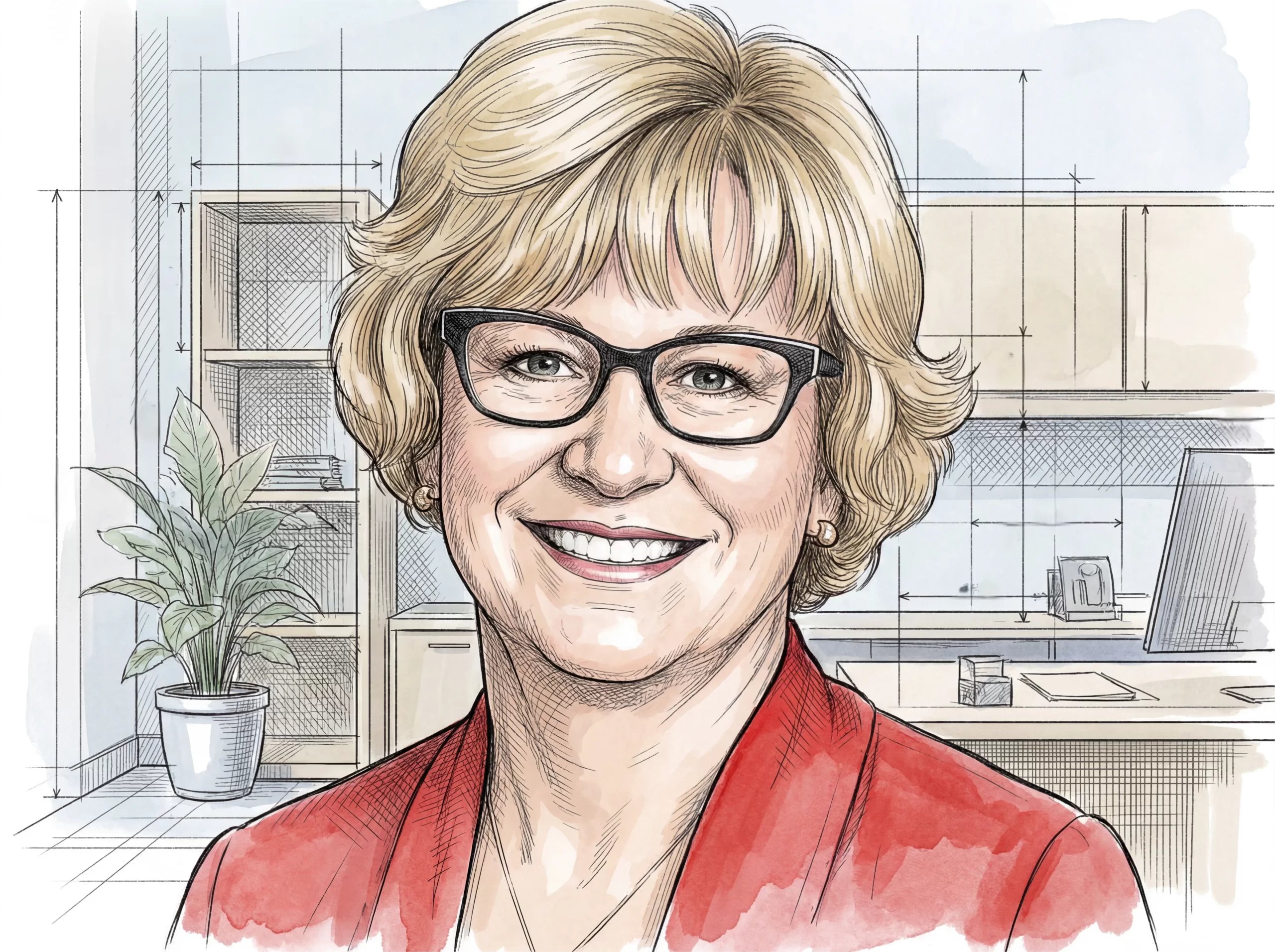
Ninetta Wandler has watched this happen before. A realtor at RE/MAX Integrity Realty in Dickinson, North Dakota, Wandler has spent over forty years selling homes through oil booms, busts, and every kind of rate environment in between. What she sees in today’s market isn’t an affordability crisis. It’s a psychology one. “When you go from 3% to 6%, it looks like you’re pretty much doubling your payment,” she says. “So they’re kind of surprised at that.” The surprise, she’s found, tends to outlast the math.
The Market Moved on
The problem isn’t 6%. It’s that buyers experienced 3% — and for long enough that it stopped feeling like a historic anomaly and started feeling like the baseline.
Mortgage rates spent most of 2020 and 2021 below 3.5%, an aberration with no precedent in modern lending history. For buyers who entered the market during that window, those rates set the reference point everything since has been measured against. For buyers who didn’t — who watched from the sidelines, saving, waiting for inventory to open up — they set an expectation. When rates climbed, both groups experienced the change not as a return to normal but as a loss.
Wandler sees the aftermath of that shift in her buyers daily. “A lot of people do make good money, but they’re not always savers,” she says. The income is there. The willingness isn’t. In Dickinson, where oil wages are steady and unemployment is low, the buyers sitting out aren’t doing so because they can’t qualify. They’re doing so because the market they’re qualifying for doesn’t match the one they were waiting for.
The Psychology of Rate Shock
On a $300,000 mortgage, the difference between a 3% and 6% rate adds roughly $500 a month to a principal and interest payment. That’s real money, and a legitimate reason to pause. What it isn’t, necessarily, is a reason to back out entirely.
The distinction matters because rate shock operates on perception as much as arithmetic. Buyers aren’t just responding to what a 6% rate costs them — they’re responding to what it represents relative to what they expected to pay. That gap between expectation and reality tends to produce a specific kind of paralysis: not a decision to wait for a defined set of conditions, but a general reluctance that’s hard to name and harder to move past.
Wandler has watched buyers talk themselves out of purchases their finances could support. “Now people are kind of waiting or hoping that the interest rate will go down,” she says. The waiting, in her experience, isn’t a strategy. It’s a posture — one that can hold even when the underlying conditions shift.
Who’s Actually Frozen
The buyers sitting out aren’t who you might expect. First-time buyers priced out by rates and rising home values — that’s the story most people have heard, and it’s real. But Wandler keeps encountering a different kind of stuck: people with good jobs and steady paychecks who just aren’t pulling the trigger.
“A lot of people do make good money, but they’re not always savers,” she says. The obstacle isn’t the monthly payment. It’s the upfront costs — down payments and closing costs that require a kind of disciplined accumulation that steady earners don’t always practice.
There’s a second group too: buyers who get close and then derail themselves. Lenders monitor borrower behavior closely between approval and closing, and the wrong move — a large furniture purchase, a job change — can shift the debt-to-income ratios that determine whether a loan goes through. These aren’t unusual mistakes. They’re common ones, made by buyers who don’t realize how much scrutiny they’re still under after approval.
What both groups share is that their obstacle isn’t the market. It’s the gap between wanting to buy and being prepared to do so — a gap that looks like hesitation from the outside but is something more specific up close.
What Are You Waiting For?
Most buyers who are sitting out will tell you they’re waiting for rates to drop. It’s a reasonable thing to wait for. But pressed on the details, the target gets fuzzy. How far would rates need to fall? To 5%? To 4%? Back to 3%? The answer, for many, is somewhere between “lower than this” and “I’ll know it when I see it.”
That’s not a strategy. It’s a feeling — the same feeling that’s been driving the market since rates climbed. And feelings, unlike rates, don’t appear on any forecast.
Wandler has been watching buyers wait through multiple cycles over nearly four decades. What she’s learned is that the wait rarely ends with a clear signal. “I always say I don’t have that crystal ball,” she says. Markets shift gradually, then all at once, and the moment that feels like the right one to buy is usually visible only in hindsight.
What buyers sitting out might ask themselves isn’t whether the market is perfect. It’s whether they’ve actually defined what they’re waiting for — and whether that thing is likely to arrive.
What’s Next?
Wandler isn’t predicting a crash or a boom. After nearly forty years in a market that runs on oil prices and interest rates, she’s learned to distrust both. What she’s learned to trust instead is the pattern: buyers wait, conditions shift, and the moment that felt like the right one to buy becomes visible only after it’s passed.
The conditions people are waiting for may improve. They may not. What tends not to change is the impulse to wait for something better — and the difficulty, later, of explaining exactly what you were waiting for.
About the Expert: Ninetta Wandler is a realtor at RE/MAX Integrity Realty in Dickinson, North Dakota. She has been selling homes in the region for nearly forty years.
This article is based on information provided by the expert source cited above. It is intended for general informational purposes only and does not constitute legal, financial, or real estate advice. Readers should conduct their own research and consult qualified professionals before making any real estate or financial decisions.