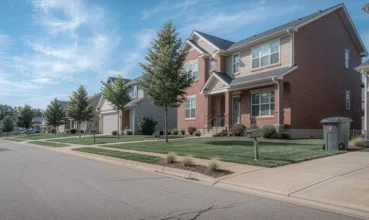
A listing that lingers used to carry a stigma: buyers assumed something was wrong with the house. In markets with ample inventory, that reading has changed. A long stay on the market now tells buyers less about the property than about the seller – specifically, that the seller is willing to negotiate. The stigma hasn’t disappeared so much as moved from the house to the price.
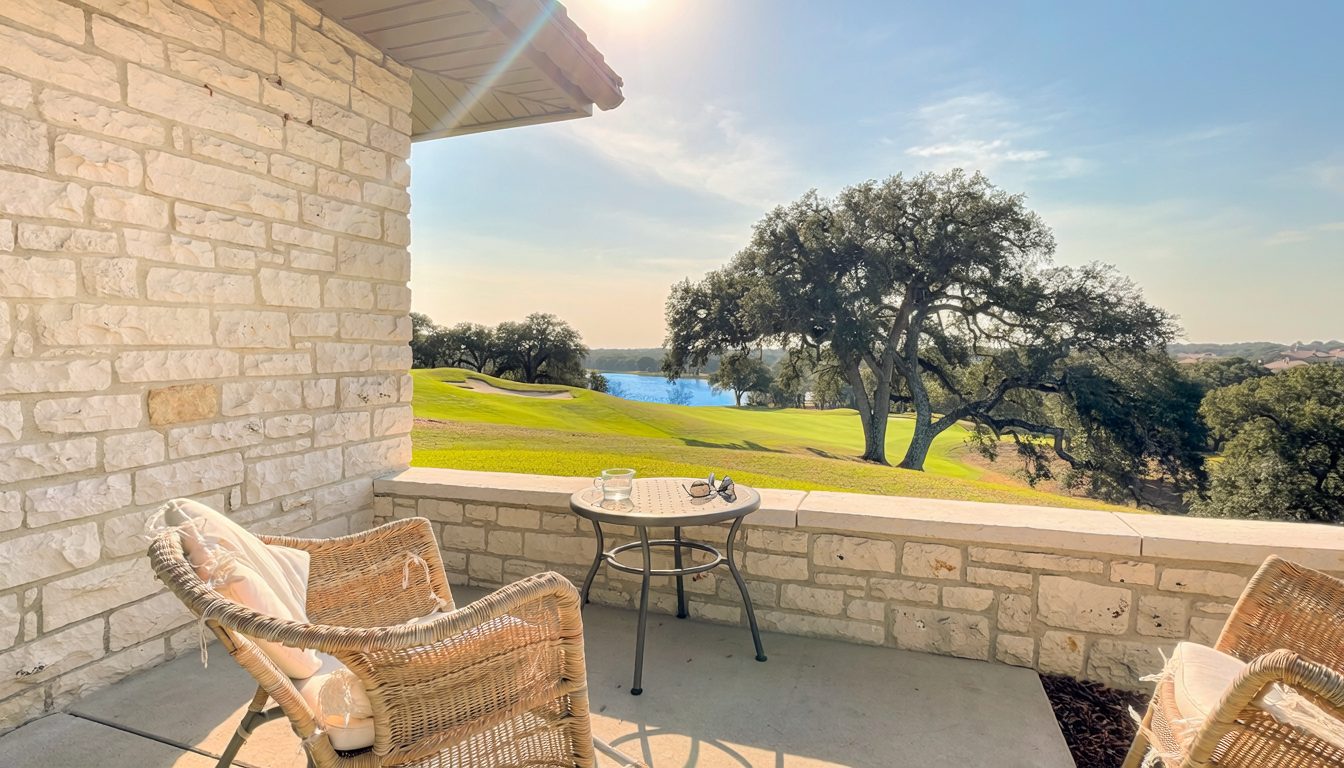
Horseshoe Bay, Texas, a golf and lake resort community in the Hill Country, shows the shift clearly. Homes there now average about 145 days on market, and the town holds more than a year’s worth of inventory, according to Patrick and Valerie Kelly, who lead Kelly Realty Team with eXp Realty. During and just after the pandemic, Patrick Kelly says, a home that sat for 140 days led buyers to conclude the property had a defect. Today, he says, 140 days on market isn’t “the death sentence that it used to be.”
Leverage replaced that suspicion. In Horseshoe Bay, Patrick Kelly says, pandemic-era buyers competing against multiple offers bought on emotion, often paying more than comparable sales supported. Now buyers there scrutinize price, their agents bring comps to the negotiation, and they remind sellers how much else is for sale.
“Days on market doesn’t really mean what it did three years ago,” Kelly says. A long stay no longer raises doubts about the house, but it does invite buyers to push on price – and that changes what a seller needs to do from the first day of a listing.
The First Two Weeks Still Matter
That shift creates an apparent contradiction. If buyers no longer penalize a home for sitting, a slow start might seem to cost a seller little. The opposite holds. Because buyers arrive with comps and alternatives, a listing begins losing pricing power well before it looks stale, so the launch carries most of the weight.
Valerie Kelly calls the first week or two after listing the most important period for any property, and a home has to come to market priced correctly to make use of it. To set that first price, the Kellys look beyond competing active listings to recent closed sales. “We really have to look at what things have sold for recently because that’s what a buyer is willing to pay,” she says.
The cost of missing that window shows up in two ways. Price reductions have become far more common in Horseshoe Bay as homes stay on the market longer. And below $1 million, where most buyers finance, sellers increasingly offer incentives such as rate buydowns and closing cost contributions to get deals done. Both reflect the same reality: buyers hold the leverage, and a seller who misjudges the launch hands them more of it.
Fix It or Price It
A correct launch price is only half of a seller’s response. Once showings begin, buyer feedback tells a seller what stands between the home and an offer, and each objection falls into one of two categories: something the seller can remove, or something the seller has to absorb in the price. Leaving either kind unaddressed produces the same result – the home sits, and buyers read the wait as room to negotiate.
Two Horseshoe Bay listings show both paths. Both sit on golf courses, and both listed in the $1.2 million range. Buyers who toured the first liked the house but said it needed work, so the sellers replaced windows that had lost their seal and resurfaced the pool. With those objections gone, the home went under contract. “You have to provide value to a buyer these days,” Valerie Kelly says.
The second home drew heavy showing traffic and praise for its interior, its architecture, and its setting on a golf course hole. Yet buyers kept raising the same objection: a steep slope from the house down to the driveway and garage, a product of Hill Country terrain that no renovation can change. “If it wasn’t for that, it would have been sold 10 times over,” Patrick Kelly says. Because the sellers couldn’t fix the problem, the price had to account for it, and the listing has dropped from roughly $1.15 million to just under $1 million. Patrick Kelly expects it to sell once it reaches the right price.
Sorting objections quickly depends on hearing them. Every Monday, the Kellys hold a call with each seller, reviewing the weekend’s showings and laying out the week’s marketing plan; a listing that goes several weeks without a showing gets heavier social media promotion. Those calls also prepare sellers for price conversations before a listing stalls. “We really try to prepare our sellers for those conversations when we’re not getting the activity we need,” Valerie Kelly says.
A Market That Rewards Discipline
The Kellys don’t expect these conditions to ease soon. Patrick Kelly anticipates that 2027 will continue to reward strategic, realistic pricing, and that sellers will need knowledgeable representation more than they did when homes sold with little effort. “It’s just not as easy and loose as it was a few years ago,” he says.
For sellers in any market with this much choice, the lesson is to treat time on market as a measure of lost leverage rather than lost reputation. That means pricing from closed sales at launch, fixing what buyers object to when a fix is possible, and lowering the price when it isn’t. “Buyers will continue to have choices and sellers will have to be strategic,” Patrick Kelly says. “They’ll have to listen to expert advice – not let emotion get in the way.”
About the Expert: Patrick and Valerie Kelly lead Kelly Realty Team with eXp Realty, specializing in residential real estate in Horseshoe Bay, Lake LBJ, Marble Falls, and the surrounding Texas Hill Country.
This article is based on information provided by the expert source cited above. It is intended for general informational purposes only and does not constitute legal, financial, or real estate advice. Readers should conduct their own research and consult qualified professionals before making any real estate or financial decisions.