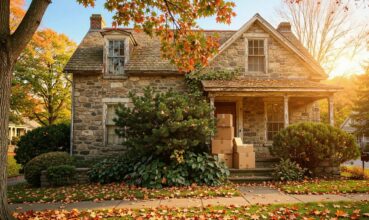
The Dallas luxury real estate market is undergoing rapid change as development pressures reshape the region’s equestrian landscape and buyers grow more selective amid economic uncertainty. Nicole Foster, a luxury and farm property specialist at Ebby Halliday Realtors, draws on her background as a horse trainer and interior designer to serve clients across both markets.
Before entering real estate in 2020, Foster spent 15 years training world and national champion American Saddlebred horses. Her expertise enables her to assess not only the technical needs of equestrian properties but also the lifestyle expectations that drive luxury purchases in North Texas.
Development Shrinks Dallas Horse Country
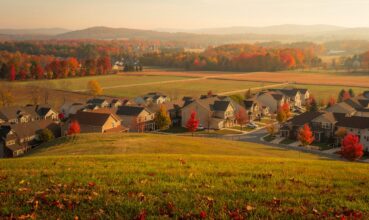
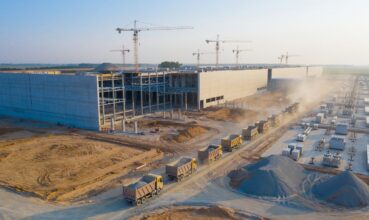
Horse properties near Dallas have been steadily disappearing as land is sold to developers. Foster has seen this trend accelerate since the pandemic, with rising property values and higher operating costs pushing many boarding facilities out of business. As a result, the local horse community is shrinking, and those who want to keep horses must travel farther from the city.
Foster notes that this change is fundamentally altering the character of the area’s equestrian scene, which was once concentrated within a reasonable drive of Dallas. “The biggest change is that a lot of the barns and properties located close to Dallas have been sold, primarily for development,” Foster says. The remaining horse community is more dispersed, and some owners are giving up horses altogether due to added inconvenience and expense.
Despite these pressures, Dallas still offers a range of equestrian disciplines, including English and Western riding as well as pleasure riding. This diversity sets Dallas apart from many other major markets, but the number of accessible properties continues to decline.
Who Is Buying in Dallas
Foster’s business primarily focuses on the $700,000 to $2 million market, which accounts for the bulk of her transactions. Farm and ranch properties account for about 20% of her business, with many clients relying on her connections within the equestrian world.
Out-of-state buyers remain active, though Foster notes they come from a broader geographic range than just California. She has worked with clients relocating from Utah, East Texas, and the Houston area, all seeking a lifestyle that fits their needs.
North Texas remains far more affordable for equestrian property buyers than markets like Wellington, Florida, or parts of the Los Angeles metro. This price advantage draws buyers seeking land and facilities without the premium costs of other major equestrian hubs.
Prepared Homes Sell Faster
In today’s market, properly preparing a property for sale is essential. Foster has observed a consistent pattern: homes that receive updates and staging sell much faster than those left in their original condition.
Foster advises sellers that a home that looks the same at listing as it did while occupied will likely sit on the market. “Nobody wants actually to buy your stuff,” she says. Foster’s approach paid off for one client whose property she helped update for about $30,000. Other agents had valued the home at $800,000 in its existing state. After improvements, it sold in 42 days for $1,025,000, netting the seller an additional $170,000.
Sellers who resist market feedback often face extended listing periods. Foster recalls clients who insisted on pricing their home well above her recommended $700,000. After failing to sell, they relisted with another agent at Foster’s original price a year later.
Buyers Grow More Selective
Economic uncertainty and rising costs have made buyers far more selective. Buyers now expect homes to be as close to perfect as possible, Foster notes. “My buyers have been much pickier on what they want,” she says. This demand extends beyond aesthetics to core systems and functionality.
Buyers are unwilling to take on properties with outdated infrastructure or cosmetic flaws. The cost and hassle of post-closing improvements have made issues like old water heaters or unusual paint colors deal-breakers.
This shift departs from the pandemic-era market, when buyers moved quickly to secure homes at low interest rates. Today, only motivated buyers move forward, and sellers must meet higher standards to attract offers.
Niche Properties Take Longer to Sell
Farm and ranch properties present unique marketing challenges because they are often designed for specific equestrian disciplines. An English-style barn differs significantly from a cutting horse ranch in both appearance and function, Foster explains. This specialization narrows the buyer pool, and properties often linger on the market unless priced to reflect their niche appeal.
Some properties are also overbuilt for the market, with extensive improvements that further limit their buyer pool. Moderately priced farms and ranches sell more quickly because they appeal to a broader range of buyers.
Dallas Historic Homes Find Buyers
Foster also specializes in historic and architecturally significant properties, which continue to attract buyers seeking unique homes. Despite Dallas’s reputation for tearing down older houses, Foster sees steady demand for properties with character and history.
Foster encourages clients to appreciate the original features of well-built homes rather than defaulting to demolition. “Dallas is known as the teardown city,” Foster acknowledges, “but if there’s an architecturally significant house, I’d much rather work within those bones and get my buyers and sellers to see the beauty in what they already have.”
What Dallas Sellers Should Expect
Despite broader economic concerns, Foster remains optimistic about the Dallas market. She emphasizes managing client expectations and leaning on a strong network of contractors and service providers. Sellers who listen to experienced agents and make necessary updates are most likely to succeed in today’s market, Foster believes.
For farm and ranch properties, Foster’s advice is especially relevant. These properties are rare, so timing and preparation are critical when they become available. While interest rates matter, scarcity and unique appeal often weigh more heavily for buyers of these properties.
As Dallas grows into a major metropolitan area, the tension between development and lifestyle preservation will likely intensify. Professionals who understand both market trends and the specific needs of specialty properties are helping clients navigate these challenges.
The Dallas market mirrors national luxury real estate trends. Buyers are more selective, move-in-ready homes command a premium, and pressure is growing to balance development with community preservation. In this environment, expertise in both general market conditions and specialized property types is increasingly valuable for buyers and sellers alike.
Success in the Dallas luxury and equestrian market depends on realistic pricing, willingness to invest in preparation, and guidance from agents who understand both the technical and emotional sides of these purchases. The market remains active and rewards those who adapt to current conditions and plan strategically.
About the Expert: Nicole Foster is a luxury and farm property specialist at Ebby Halliday Realtors in Dallas, with expertise spanning high-end residential sales, farm and ranch properties, and historic homes. Before entering real estate in 2020, she spent 15 years as a professional horse trainer, a background that informs her work with equestrian property buyers and sellers across North Texas.
This article is based on information provided by the expert source cited above. It is intended for general informational purposes only and does not constitute legal, financial, or real estate advice. Readers should conduct their own research and consult qualified professionals before making any real estate or financial decisions.