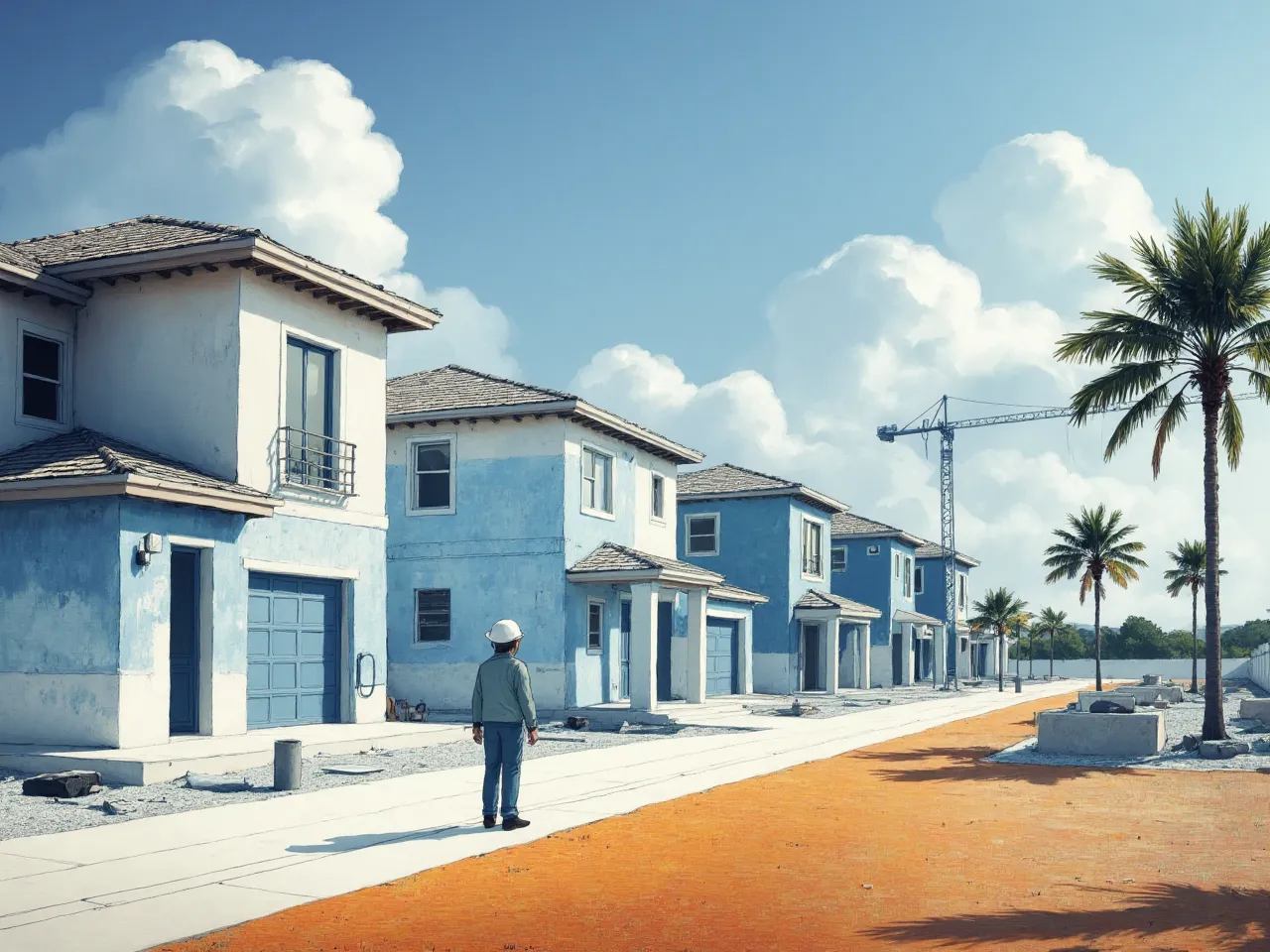
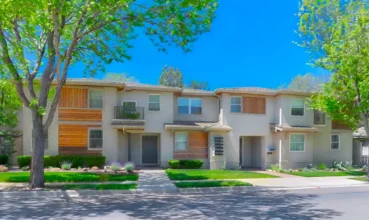
In markets with active new development, builders have a structural advantage over individual home sellers, according to Florida Realtor Zach DiFilippo of Coldwell Banker Premier Properties in St. Augustine. DiFilippo points to the vertical integration of builder operations — where construction companies typically own the lender and the title company — as a key reason new homes outsell comparable resales.
“Construction companies typically own the lender and the title company, so they’re able to offer more incentives, which makes it look like the resale properties are sitting longer,” DiFilippo says. Builders use this control to offer layered incentives, including closing-cost assistance, mortgage-rate buydowns, and upgraded finishes. These packages give new construction homes a competitive edge that individual sellers cannot match.
This advantage stands out most in the $350,000 to $650,000 price range, where resale homes compete directly with new construction inventory. “It’s probably some of the toughest competition,” DiFilippo says, describing how resale listings are struggling to attract buyers in this environment.
The Trade-Offs Buyers Accept
DiFilippo explains that the competition between new and existing homes is not just about price or incentives — it’s also about buyers’ preferences and priorities. “It really is going to be where that buyer wants to be,” he says. Some buyers are drawn to newer construction, even if it means living in a neighborhood with ongoing development, standardized designs, and immature landscaping. Others value mature trees, established communities, and homes with a track record of stability.
Buyers willing to accept the trade-offs of new construction — such as living amid construction activity, waiting for landscaping to mature, and choosing from limited floor plans — are often motivated by the appeal of a builder’s warranty, modern systems, and being the first occupant. These factors create a distinct segment of buyers who are not easily swayed by the unique features of resale homes, regardless of how competitively priced they are.
For existing home sellers, this means the buyer pool is segmented. Resale properties should focus on attracting buyers who value established neighborhoods and character, rather than competing with builders’ financial incentives. DiFilippo notes that success comes from “pricing it right and having the right attributes so that somebody would rather pick that versus the brand new shiny house that is one of 10,000.”
The Positioning Challenge
Builders’ integration of lending and title services gives them another edge by streamlining the transaction process. This makes the path to homeownership appear simpler and less daunting for buyers, especially those who might be overwhelmed by the complexity of a traditional real estate transaction.
For agents representing resale properties, this creates a significant positioning challenge. They must emphasize what new construction cannot offer: mature landscaping, established neighborhoods with proven infrastructure, settled foundations, and unique architectural details. However, these attributes lead to a sale only when sellers price the property realistically, acknowledging that some buyers will always prefer new construction regardless of these advantages.
DiFilippo advises sellers to consider whether their home appeals to buyers seeking the benefits of an established neighborhood or if it competes directly with new construction on features like age, condition, and location. Homes that compete head-to-head with builder inventory are at a disadvantage unless their prices reflect the incentives and streamlined experience builders can offer.
Market Implications
In markets with significant new construction, existing homes in overlapping price ranges face increased pressure. Builders who control financing and title services can offer packages that make their homes more attractive, leaving individual sellers with a shrinking pool of potential buyers or forcing them to lower prices to remain competitive.
DiFilippo observes that this has led to longer days on market for resale properties in the $350,000 to $650,000 range. “Everything in the 350 to 600, 650 range has been a little bit tougher to sell. Sitting a little bit longer, more of that 80 to 100 day and 110 day mark,” he reports.
Whether this competitive imbalance will persist depends on how aggressively builders continue to leverage their structural advantages. For now, DiFilippo says, agents and sellers of existing homes must navigate a market where they face competition from builders who can offer incentive packages that individual sellers cannot match. This dynamic is reshaping how resale properties are positioned, priced, and ultimately sold in active development areas.