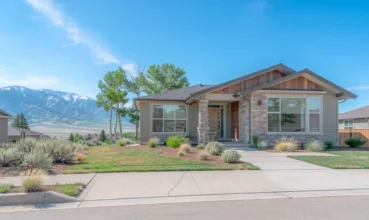
The San Francisco Bay Area has long sorted its residents by income bracket, with each city occupying a familiar rung on the pricing ladder. But in Concord – a city of 127,000 in Contra Costa County – that sorting is loosening, according to Ron Melvin, a Realtor with Keller Williams Realty who lives and works in the area. Young professionals who would have targeted Lafayette or Orinda a few years ago are now landing in Concord, where the same proximity to freeways and public transit comes at a price hundreds of thousands of dollars lower.
A recent client couple – a business owner and a banking professional – came in focused on more established neighborhoods. “Despite coming in with hundreds of thousands of dollars down payment, those other cities were at the top of their budget,” Melvin says. When they looked at comparable homes in Concord, the math changed: same home, same freeway access, same transportation options, but hundreds of thousands of dollars less and well within their budget.
The Homes Range
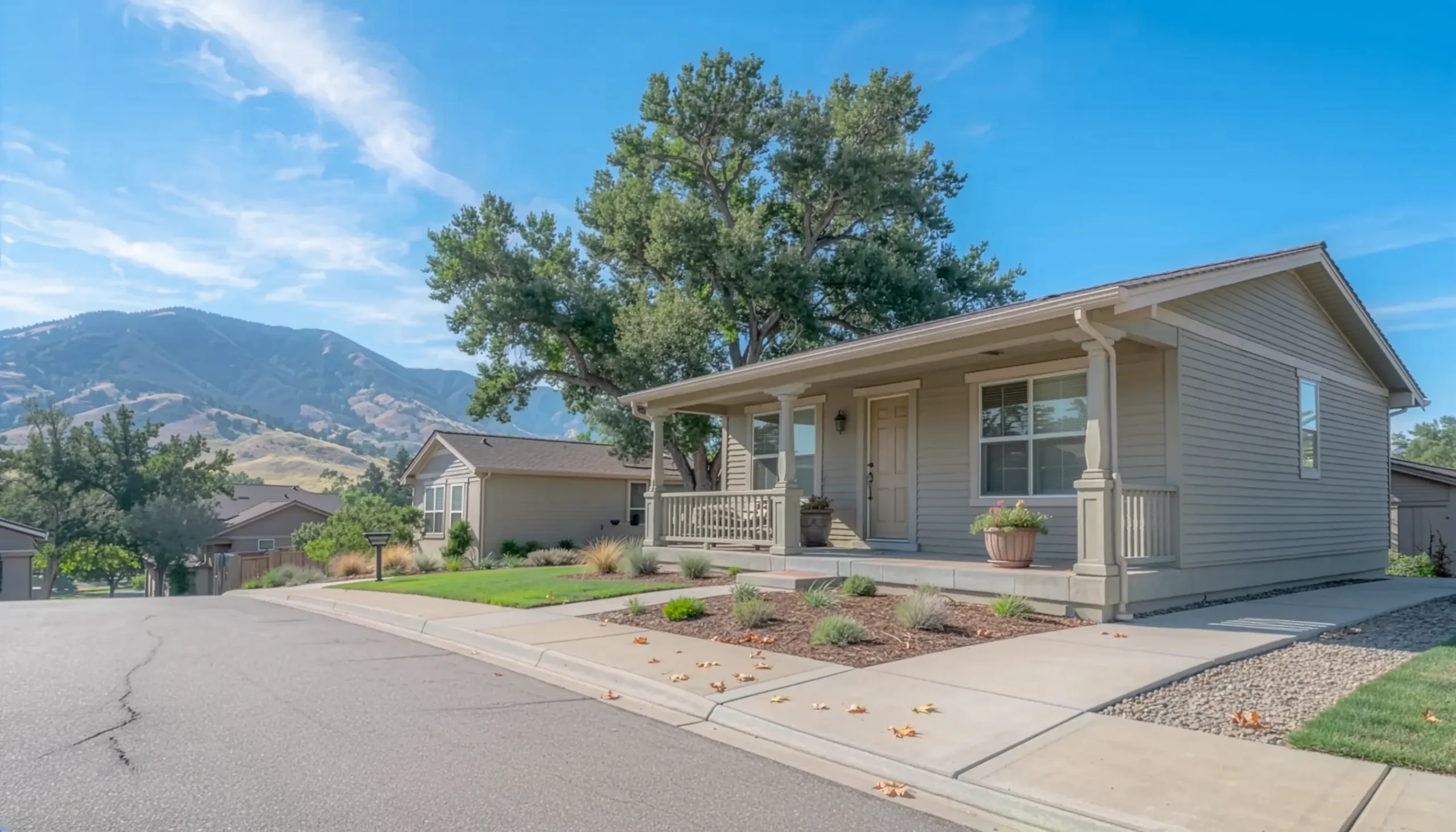
What makes Concord unusual in the Bay Area is the breadth of its housing stock. Single-family homes start below $500,000 – a figure Melvin calls “unheard of” in the region – while other neighborhoods push toward $3 million. The inventory spans condominiums for first-time buyers, single-story homes suited to downsizers, new construction, and older housing stock.
That range means the buyer pool is unusually broad. First-time buyers, upsizers, downsizers, and investors are all active, and according to Melvin, no single group dominates. The common thread is that Concord’s pricing lets buyers at various life stages enter or move within the Bay Area market without stretching to the edge of what they can afford.
Interest Rates Are the Main Constraint
The current headwind is mortgage rates. Melvin notes the 30-year fixed rate averaged 7.4% at the time of the conversation, driven in part by new Treasury issuance pushing up the 10-year yield. Higher rates reduce the buyer pool, soften competition, and lead to price reductions on listings that were set too high at launch.
“When you start seeing prices being reduced, it’s really that the home was priced too high initially,” Melvin says. His approach to avoiding that outcome rests on three priorities: preparing the home with cost-effective improvements, exposing it to the full buyer pool over roughly 11 days and two open-house weekends, and pricing to generate demand rather than chasing a number the market will not support.
The return on targeted preparation can be substantial. Melvin cites his own analysis from 2022 showing that staged homes in Concord sold for $129,000 more on average than unstaged homes, while tending to be slightly smaller and selling faster. Staging runs about $2,500. Meanwhile, painting kitchen cabinets and refreshing interior paint for $5,000 to $7,000 can yield a $40,000 to $50,000 return, compared to a full kitchen remodel that typically does not pay for itself at resale.
Selling and Buying at the Same Time
A significant share of Melvin’s business involves clients who need to sell one home and buy another simultaneously – a transaction that gets harder when rates are high and budgets are tight. The softer market, however, has an upside: sellers are more willing to accept offers contingent on the sale of an existing home, a condition that was difficult to negotiate when competition was fiercer.
Melvin outlines several tools his clients use: rent-backs that allow sellers to remain in their home for up to about 60 days after closing, cash-out refinances on existing homes to fund the next purchase, and bridge loans designed for this overlap period. His broader point is that the same softness creating hesitancy is also creating room for these layered transactions to work. Buyers will not sell for as much as they could have in 2022, but they will pay less on the purchase side, face less competition, and have more inventory to choose from. And when rates eventually come down, refinancing the new mortgage becomes an option.
The Naval Weapons Station and Long-Term Supply
One development on the horizon is the planned redevelopment of the former Naval Weapons Station, which could eventually add around 12,000 homes to Concord’s supply. The project has a long and uncertain history – Melvin notes it has “fallen apart with about four different builders” over many years – and currently feels distant to most buyers and sellers.
The neighborhood most directly affected is Dana Estates, which sits adjacent to the site. Residents there have concerns about traffic on the 242 freeway and how the development will reshape nearby property values. Melvin expects a short-term dip as buyers weigh newer construction against existing homes. But he expects that dynamic to reverse over time as the new homes resell and begin pulling surrounding values upward – provided the infrastructure is addressed appropriately.
FHA and VA Buyers Have an Opening, With One Catch
The softer market has also made Concord more accessible to FHA and VA buyers, who struggled to compete when multiple-offer situations were the norm. Melvin, a seven-year Air Force veteran and VA buyer himself, sees this as a meaningful window.
The exception is condominiums. A California law called SB 326 requires inspections of elevated structures on condominium complexes – balconies, exterior stairways – and has exposed deferred maintenance across many complexes. Until those repairs are completed, affected units cannot qualify for FHA or VA financing. “A lot of condominiums haven’t addressed this in a while, so we’re finding that there are a lot of problems out there,” Melvin says. For buyers using government-backed loans, single-family inventory remains the clearer path in Concord right now.
What Comes Next
Melvin says the variable he watches most closely is the 10-year Treasury yield. If inflation stays elevated and Treasury issuance continues pushing yields higher, mortgage rates will follow – and that will continue to thin the buyer pool and soften prices. For sellers, that makes accurate pricing at launch more important than it has been in years. For buyers willing to act in a less competitive environment, the trade-off is higher borrowing costs now against the possibility of refinancing later and building equity in a home purchased below what it would have cost two or three years ago.
About the Expert: Ron Melvin is a Realtor with Keller Williams Realty, covering Concord, California, and the surrounding Contra Costa County area. He is a seven-year Air Force veteran.
This article is based on information provided by the expert source cited above. It is intended for general informational purposes only and does not constitute legal, financial, or real estate advice. Readers should conduct their own research and consult qualified professionals before making any real estate or financial decisions.