
In an era where institutional investors like Blackstone are dominating the single-family home market, one startup is working to level the playing field for individual investors. Coffee Cloze...

Planning Chief: Public-Private Partnerships Key as Cities Must Invest Alongside Developers

Written by:
Date:
01 Oct 2025
Share via Facebook

Share via Linkedin

Share via X

Copy to clipboard

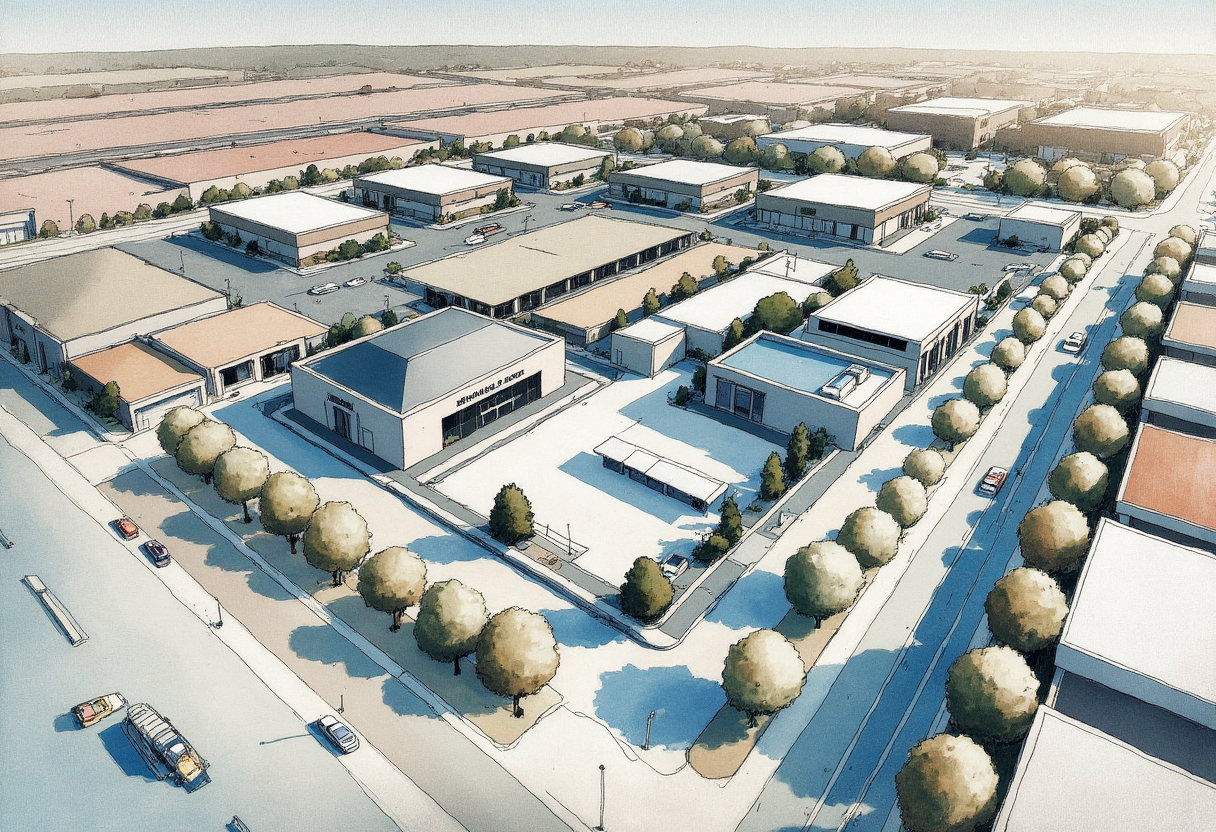
Sterling Heights development manager argues one-sided approach to urban renewal is outdated. The traditional model of cities simply regulating development while private investors handle all improvements is outdated and ineffective, according to Jake Parcell, City Planner and Development Manager for Sterling Heights, Michigan. He argues that meaningful urban renewal requires direct public investment alongside private development.
The Investment Gap
“You can’t just expect private partnership to facilitate all or private development to facilitate all of this, and the city not have any type of investment in any way,” Parcell says, describing why Sterling Heights is taking a more active role in area improvements.
This insight comes as the city implements new overlay districts aimed at revitalizing commercial corridors. According to Parcell, these districts require a balanced approach: “Working through ordinance updates, and then working through a way where we have an idea where we want public investment to go, in terms of our right of ways, our landscaping, tree planting.”
A New Partnership Model
The city’s strategy centers on coordinated investment alongside private developers to enhance urban spaces. This includes improvements to public right-of-ways, landscaping upgrades, and tree planting programs that increase environmental and aesthetic value. Pedestrian amenities are being expanded to create safer, more walkable streets, while shared parking solutions and connected access points aim to improve mobility and accessibility for residents and visitors alike. By investing in these public assets, the city seeks to complement private development and create more vibrant, functional neighborhoods.
“We encourage new things like shared parking and shared access and public amenities, so property owners can do investments together and work together to create holistic developments in these nodes,” Parcell explains.
Measuring Success
Early results indicate that the city’s coordinated investment strategy is yielding tangible benefits. A hotel-to-residential conversion has successfully repurposed underutilized space, while new retail developments are extending to street frontages, activating the urban landscape. Pedestrian connections between neighborhoods have increased, making walking more convenient and enjoyable. Parking areas are being used more efficiently, and green spaces have been enhanced, contributing to a more attractive and functional city environment.
The Solution: Balanced Investment
Parcell argues that cities need to view themselves as active partners in development: “Making sure we’re mindful of what’s happening, making sure that we’re being a good partner to our retailers and our residents and helping create some type of synergy there, where we can move everything forward together.”
This partnership approach goes beyond funding, encompassing a range of supportive services for developers and tenants. Sterling Heights maintains comprehensive databases of available properties, connects potential tenants with property owners, and offers technical assistance for site redesigns. Additionally, the city streamlines administrative processes, reducing bureaucratic friction and helping projects move forward more efficiently.
“We want good, strong businesses to come to Sterling Heights, to partner with the city and be there for our residents,”Parcell concludes. “And we are exhausting every option we can to try and make that happen.”
Similar Articles
Explore similar articles from Our Team of Experts.

Perspectives, Industry News, Residential Real Estate, Commercial Real Estate, Market Analysis & Policy
The University of Florida’s significant presence in Gainesville shapes the local real estate market in ways that reach far beyond student housing, according to international real estate ex...