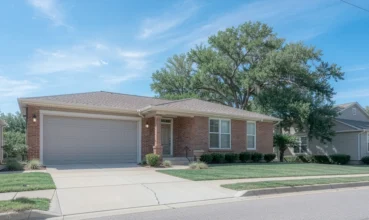
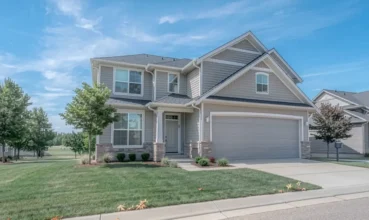
The Charlotte, North Carlina metropolitan area continues to draw new residents, but local real estate professionals are seeing clear changes in buyer preferences and inventory patterns. As pandemic-era conditions fade, buyer priorities in Charlotte mirror national trends. Demand is strongest for move-in-ready homes, while properties needing updates linger on the market.
Turnkey Homes Draw Higher Offers
Buyers in Charlotte are now willing to pay significantly more for homes that require little or no immediate work. Move-in-ready properties attract multiple offers, while older or less updated homes often sit unsold.
“Buyers are willing to pay a premium for a turnkey property,” says Liz Khodak, a licensed realtor with Helen Adams Realty who specializes in South Charlotte. She observes that homes with outdated features or deferred maintenance are seeing less interest. “A lot of buyers don’t want to do that work.”
This preference goes beyond basic upkeep. Recently remodeled kitchens and bathrooms, along with outdoor features such as patios, pools, or flat yards, are in especially high demand. These features gained importance during the pandemic, as families sought spaces that supported daily living and entertaining.
The reluctance to renovate is largely practical. Many buyers, especially families with young children or people relocating for work, do not want the disruption of construction after moving in. Managing contractors, permits, and timelines is overwhelming for buyers who need to settle quickly.
Sellers Still Adjusting to Reality
This focus on turnkey properties has created tension between buyers and sellers, particularly when pricing homes that need updates. Many sellers remain anchored to the rapid sales and high prices of the pandemic years.
“We’re coming out of post-COVID years where properties were flying off the shelf, even if they needed work, and sellers got spoiled by that,” Khodak explains. Sellers are still adjusting to the reality that dated homes now require price reductions to attract buyers.
Buyers who consider homes needing work are typically investors or budget-conscious purchasers who plan to renovate gradually. These buyers expect a discount that reflects the cost and effort involved. This gap is slowing transactions on properties that are not move-in ready.
Inventory is Tight for Moderate Buyers
Inventory has increased in higher price ranges, but Charlotte still faces a shortage of homes for first-time and moderate-income buyers. Limited supply is pushing prices higher and narrowing choices for would-be homeowners.
“There’s a lack of inventory where prices are creeping up for first-time home buyers, or people in a more moderate price range,” Khodak says.
Developers have built more townhomes in response to demand, but that supply does not fully align with buyer preferences. Single-family homes in the $300,000 to $400,000 range are increasingly scarce near the city center at prices comparable to five or six years ago. Buyers often must choose between moving farther from the urban core or compromising on home type and size.
Market Slows, Then Recovers
The past year brought a noticeable change in market momentum. After an active start to 2025, the Charlotte market slowed significantly from July through the holiday season. In recent months, activity has picked up as more listings have come to market, but transaction volumes remain below the 2022 peaks.
This reflects broader normalization after the inflated highs of the pandemic years. Khodak notes that many buyers and sellers are still using 2022 as a benchmark, even though that year was unusually active. “COVID skewed people’s perception. We keep comparing to 2022, which was not a normal market at all. We forget what it was like in 2019 or 2018,” she says.
Growth Keeps Charlotte Competitive
Charlotte’s underlying growth story remains strong. Companies opening or consolidating offices continue to bring new employees to the area. Charlotte Douglas International Airport offers direct flights across the United States and internationally, reinforcing the city’s appeal as a business hub.
“From Charlotte, you can reach almost anywhere in the United States within two or three hours,” Khodak notes. The city remains relatively affordable compared to major metro areas, making it attractive to families and professionals seeking quality of life and economic opportunity.
The steady influx of new residents supports housing demand even as market conditions fluctuate. This ongoing migration sets Charlotte apart from markets where population growth has stalled or reversed.
Rates Rise, Life Events Drive Sales
Rising interest rates remain a key constraint on housing affordability. Higher rates mean buyers can afford less for the same monthly payment than they could a few years ago. However, local agents say personal circumstances often outweigh rate concerns.
Khodak notes that for buyers facing divorce, job relocation, downsizing, or family changes, waiting is not an option. Life events continue to drive many transactions regardless of borrowing costs.
Some discretionary buyers may wait for lower rates, but steady activity continues among those with urgent needs. This helps explain why the Charlotte market has not stalled, even as affordability challenges persist.
Some discretionary buyers may wait for lower rates, but steady activity continues among those with urgent needs. Charlotte’s transaction process moves relatively quickly, with most deals closing within four to six weeks. Buyers and sellers with time-sensitive circumstances benefit from that efficiency as they navigate affordability pressures.
Pricing and Preparation Matter Most
That efficiency only helps, however, when listings are priced accurately from the start. As the market moves through 2026, managing expectations and adapting to new norms is essential. Global economic uncertainty may cause temporary slowdowns, but Charlotte’s core drivers — population growth, business investment, and relative affordability — remain intact.
Sellers of move-in-ready homes can expect strong demand and favorable terms if they price realistically. Sellers of properties that need updates must negotiate the price or invest in improvements to attract buyers.
For buyers, understanding the premium on turnkey properties and the scarcity of affordable single-family homes is key to setting realistic expectations. Many will need to weigh trade-offs between location, condition, and price, especially as inventory remains tight in the most sought-after segments.
What Buyers and Sellers Face Next
The Charlotte, North Carolina housing market is entering a new phase of selective demand and persistent inventory challenges. Move-in-ready homes will likely continue to command premiums, while properties needing significant updates may require deeper price reductions to sell.
Buyers and sellers who understand these dynamics and adjust their strategies are best positioned to succeed. As Charlotte’s population and economy grow, the market will remain competitive, but broad across-the-board price appreciation appears to be over.
Those entering the market in 2026 should prepare for conditions where accurate pricing, preparation, and flexibility are essential. The city’s fundamentals remain strong, but success will depend on navigating a more selective and realistic housing market than in recent years.
About the Expert: Liz Khodak is a licensed realtor with Helen Adams Realty, specializing in the South Charlotte residential market. She works with buyers and sellers, navigating the region’s evolving inventory and pricing conditions.
This article is based on information provided by the expert source cited above. It is intended for general informational purposes only and does not constitute legal, financial, or real estate advice. Readers should conduct their own research and consult qualified professionals before making any real estate or financial decisions.