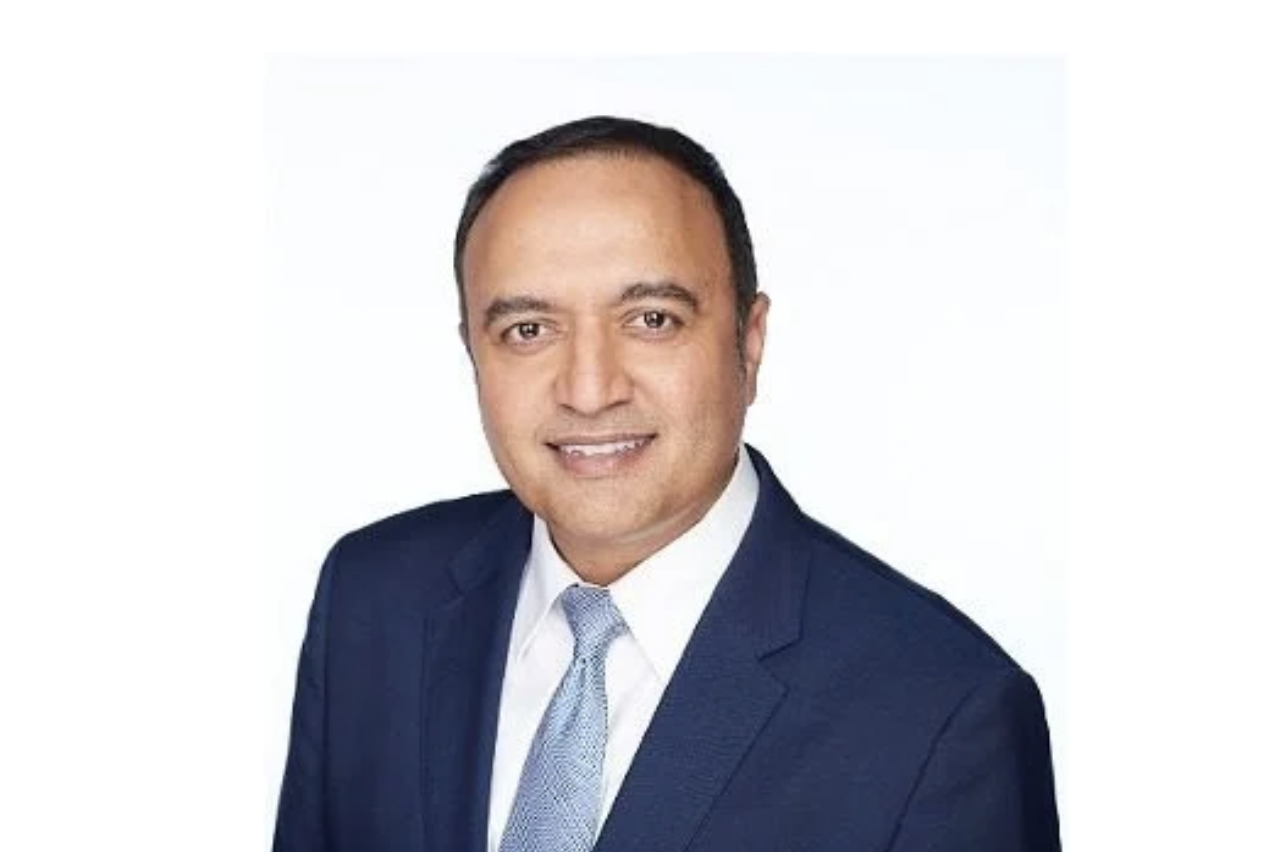
The hospitality industry has long been characterized by high turnover, operational complexity, and razor-thin margins. Yet some operators have found ways to thrive by focusing on what matters most, managing people effectively. Vinay Patel, President and CEO of Fairbrook Hotels, has built a 12-property portfolio over three decades by prioritizing human capital management while strategically positioning his company in high-margin segments.
From Humble Beginnings to Strategic Growth
Patel’s journey began with his parents’ migration to the United States in the 1980s, following a path familiar to many in the hospitality industry. Starting with a 15-room motel, Patel and his wife discovered the appeal of small-scale operations: “We would wake up in the morning at nine o’clock, clean the 15 rooms with two people. By two or three o’clock, we were done. It was a perfect business for us.”
However, ambition and education drove them beyond the comfort zone of small operations. “I grew up here. I’ve got a college degree. My wife has a college degree, and we can’t be doing this forever,” Patel recalls. This realization led to their first major development: a 59-room hotel outside Washington, DC. Through a cycle of building, selling, and reinvesting, Fairbrook Hotels has grown to operate 12 properties across major brands.
The People Management Philosophy
What distinguishes Fairbrook Hotels in a crowded market isn’t size or brand diversity—it’s their approach to human resources. “My mantra has always been: how do you manage people? That’s been the biggest challenge overall, not only in the hospitality industry, but anywhere,” Patel explains.
This philosophy extends to managing communication across generational divides. With staff ranging from recent hospitality school graduates to seasoned veterans, Patel emphasizes the critical importance of communication skills: “Whether it be communicating via text, email, or social media, communication skills are probably one of the most important skill sets that people need to learn.”
The company maintains a hands-on approach without micromanagement. “We’re hands-on, but we’re not micromanaging. I’m not going to talk to a night auditor every single day, but managing people really makes a difference for us,” Patel notes.
Strategic Focus on Extended Stay
Fairbrook’s most successful strategic move has been their investment in the extended stay segment. The company broke ground on an Extended Stay America property in Colonial Heights, Virginia, just before the COVID-19 pandemic, timing that initially seemed problematic but ultimately proved advantageous.
“We opened that hotel in March or April of 2020, right at the peak of COVID times. Honestly, we actually distributed cash to our partners at the end of 2020,” Patel reveals, highlighting the segment’s resilience during the crisis.
The financial advantages of extended stay properties are substantial. “At our ESAs, we’re probably looking at 50 to 55% NOI, compared to some of our mid-scale hotels where we’re looking at maybe 30 to 35%,” Patel explains. This 20-percentage-point difference stems largely from operational efficiency.
The labor advantage is particularly compelling. While a typical mid-scale hotel might employ 25 to 30 people, extended stay properties operate with just 6 to 10 employees, a 50% reduction in labor costs. “It’s hard to find good people today, and from a profit perspective, this is where the money is,” Patel observes.
Technology Challenges and Opportunities
Despite the industry’s digital transformation, Patel acknowledges hospitality’s historical lag in technology adoption. “I feel like the hospitality industry has never been forward in terms of technology. We’ve always been behind,” he says, contrasting the sector with retail giants.
Artificial intelligence represents both opportunity and challenge. While Patel sees AI’s potential impact across front desk operations, housekeeping, and other functions, he admits uncertainty about implementation: “AI is going to play such a big role, whether it be front desk, housekeeping, or whatever. I wish I had the answer on AI, I don’t.”
This technological uncertainty reflects broader industry challenges in balancing innovation with human-centered service. The key, according to Patel, lies in maintaining communication effectiveness across different comfort levels with technology.
Market Trends and Future Opportunities
Looking ahead, Patel identifies unique experiences as the industry’s growth driver. Drawing from his observations of younger consumers, including his own children, he notes: “It’s not about the dollar spent, but it’s about the unique experiences they’re going to get.”
This trend toward experiential hospitality applies across segments. “Whether it be in an extended stay or even a mid-scale hotel, I can deliver that as well. That’s where we excel and differentiate ourselves—how do you make things different compared to other hotel brands?”
Geographic expansion remains on the horizon, though Fairbrook maintains its preference for hands-on management. While historically focused within a two to three-hour drive of Northern Virginia, improved air travel has opened possibilities in other markets.
Industry Advocacy and Talent Development
Beyond his operational responsibilities, Patel actively promotes hospitality careers through involvement with Virginia hospitality schools. He challenges the perception that hospitality offers limited career paths: “If you like marketing, you can do marketing in hospitality. If you like engineering, you can do engineering in hospitality. Accounting, you can do accounting in hospitality.”
This advocacy reflects his broader view of the industry’s potential: “It really is a fun business. It’s a profitable business. It’s a hard business to be in as well, but it’s something you should not overlook.”
Lessons for Real Estate Investors
Fairbrook Hotels’ success offers several insights for real estate investors considering hospitality assets. First, operational efficiency matters more than scale, the company’s focus on extended stay properties demonstrates how segment selection can dramatically impact returns.
Second, human capital management remains the critical differentiator in a service industry. Technology can enhance operations, but effective people management drives sustainable competitive advantage.
Finally, market positioning around unique experiences, rather than commodity offerings, creates pricing power and customer loyalty.
As the hospitality industry continues evolving through technological change and shifting consumer preferences, operators like Patel who combine strategic asset selection with strong operational fundamentals are well-positioned for continued growth. The key lies in balancing innovation with the human touch that defines exceptional hospitality experiences.