

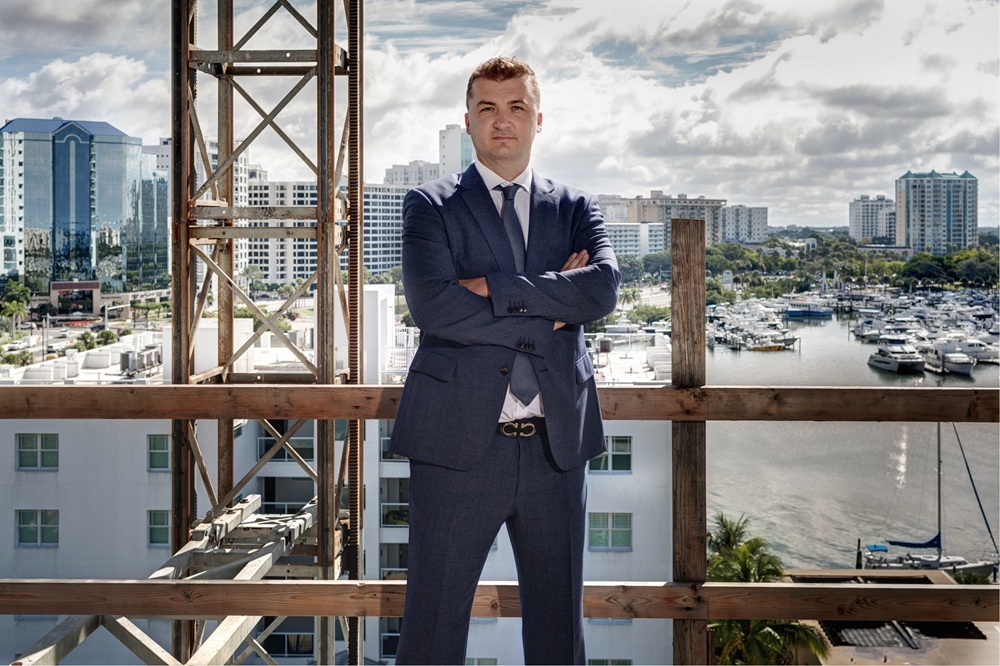
While national real estate coverage focuses on Florida’s cooling market, Sarasota’s high-end new construction sector is experiencing something entirely different. Vlado Konatar o...

Branded Luxury Projects Command Premiums in Miami, But Are They Worth It?

Written by:
Date:
10 Feb 2026
Share via Facebook

Share via Linkedin

Share via X

Copy to clipboard

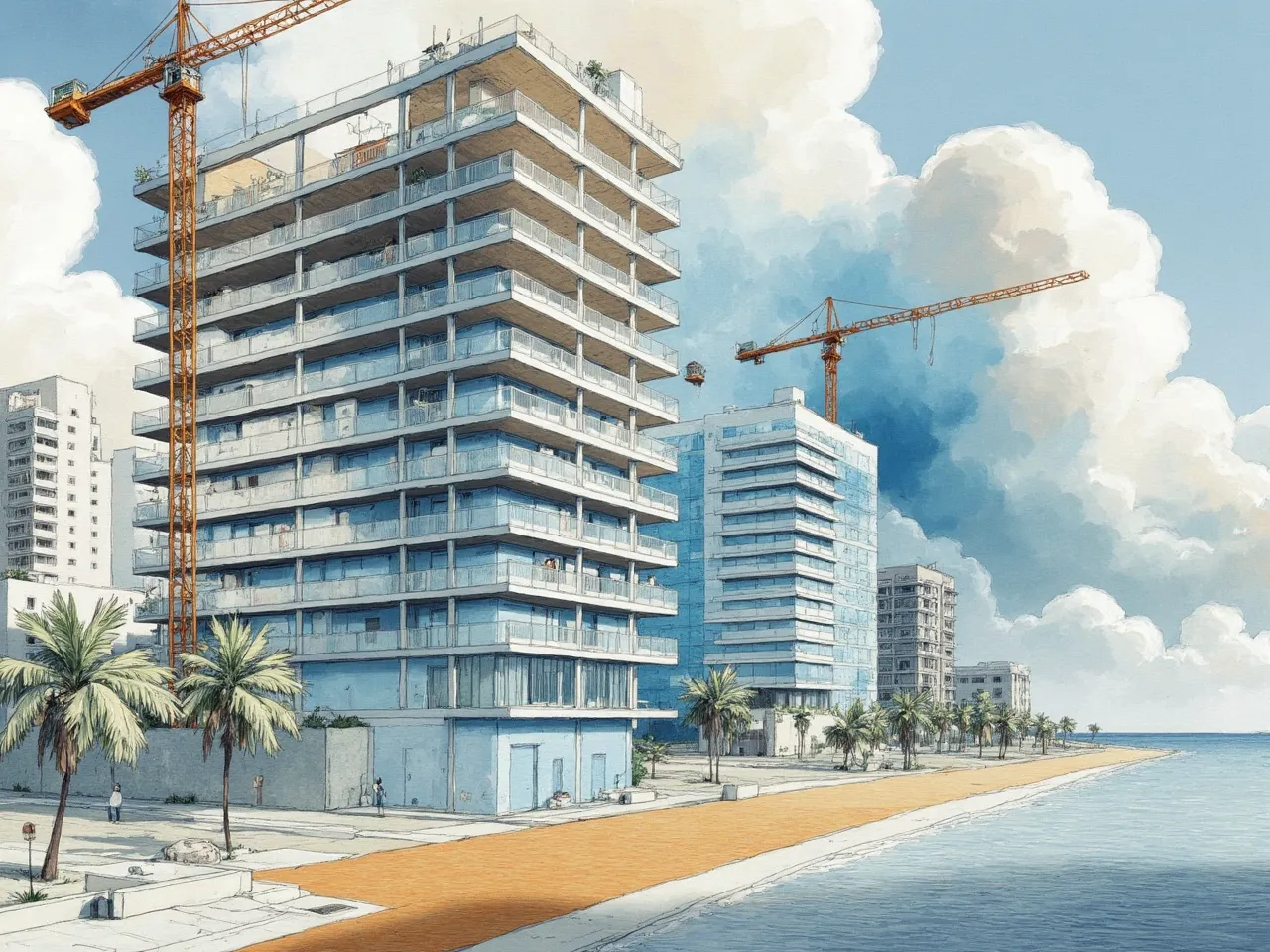
In Miami’s luxury pre-construction market, buyers are paying a clear premium for developments branded by well-known hospitality companies. At the same time, equally reputable non-branded projects often struggle to attract attention, even when they offer better value. This two-tier pricing structure is driven by brand psychology rather than hard differences in quality or investment fundamentals.
Mary Yasol, a luxury broker with Coldwell Banker Realty, has seen this dynamic play out across Miami’s hottest neighborhoods. She says that while branded projects like Four Seasons, St. Regis, and Cipriani are among the first to sell and rarely offer discounts, their price tags are more about name recognition than superior construction or long-term investment merit. “Definitely the branded construction sells more because of brand recognition and quality,” Yasol says. “Sophisticated buyers want those if they’re going to spend the money, they’re going to want the most that they can get.”
Yet, Yasol argues that the brand premium is often not justified by a project’s fundamentals. Buyers looking beyond the big names may find better deals if they know where to look.
Brand vs. Builder
Branded luxury projects benefit from the confidence that comes with an international name. Buyers associate these brands with consistent quality, high-end amenities, and a particular lifestyle. As a result, these developments attract ultra-high-net-worth buyers seeking to align themselves with global luxury brands.
But Yasol insists that a developer’s track record should matter more than the brand attached to a building. “Developer reputation is critical,” she says. “You want to make sure you’re parking your money in a reputable development that will deliver, because a lot of these new constructions take years to be completed.”
She points out that many non-branded luxury projects are built by experienced developers with proven track records of on-time, high-quality delivery. These projects often offer greater flexibility on pricing and terms, especially if they’re early in the sales cycle or the developer is eager to meet pre-sale targets. “Everything really relies on how good the project is and the team behind it,” Yasol says. In some cases, projects falter not because of branding but due to weak financing or an inexperienced development team.
This gap between brand recognition and builder reputation has created a pricing inefficiency. Savvy investors who look past the label can find opportunities to buy into quality projects at lower prices, provided they have the information needed to assess the developer’s track record and the project’s fundamentals.
Why These Opportunities Are Hard to Spot
For most buyers, identifying actual value in Miami’s pre-construction market isn’t straightforward. Unlike resale properties, pre-construction sales in non-branded projects are typically recorded privately by developers rather than through public MLS systems. This makes it difficult to compare pricing, absorption rates, or incentives between projects.
“You don’t see that, because the records are not in public. This is recorded in-house,” Yasol explains. As a result, buyers who rely on public sales data or online listings may miss out on opportunities that brokers with strong developer relationships can access. Insider knowledge about pricing flexibility, project timelines, or developer reliability often determines who gets the best deals.
Yasol says buyers working with well-connected brokers can access off-market opportunities and negotiate favorable terms, especially in non-branded developments where the sales process is less visible. This information gap continues to benefit those with the right relationships and market intelligence.
Emerging Neighborhoods
The divide between branded and non-branded projects isn’t the only source of hidden value in Miami’s luxury market. Yasol points to entire neighborhoods, such as North Miami, Little River, and North Miami Beach, where high-quality developments are available at price points well below those in the city’s established hotspots.
“There’s definitely still a lot of value in the up-and-coming areas like North Miami, Little River areas, North Miami Beach,” Yasol notes. These neighborhoods offer access to luxury amenities and a desirable lifestyle for well under $2 million, but often fly under the radar because they lack the publicity of areas like Miami Beach, Wynwood, or Coconut Grove.
“When people think of Miami, they just think Wynwood, Coconut Grove, Miami Beach,” she says. “But Miami is huge. There are beautiful neighborhoods under the 2 million range where everybody can still enjoy the lifestyle without spending a crazy amount of money.”
While Yasol acknowledges that her clients often prefer established luxury areas, she believes that investors willing to explore lesser-known neighborhoods can find superior value.
How Savvy Investors Can Capitalize
Yasol’s key message is that the best pre-construction opportunities in Miami are rarely the most obvious. She encourages sophisticated investors to focus on fundamentals, such as developer experience, location, and actual pricing, rather than being swayed by brand names alone.
“If you’re a sophisticated investor and you want a deal, unless you really want to be in that building, then, yeah, go spend the money,” she says. “But if you’re trying to look for a deal, then let’s look at a pre-construction development that just started selling, that is offering an incentive, that has more flexible payment terms, that has a lot of offerings for investors.”
She notes that developers are often most motivated at the start or end of a sales cycle, when they may offer incentives or discounts to secure contracts. This is especially true in non-branded projects or emerging neighborhoods where demand is less automatic.
Looking Ahead
Whether more buyers begin to notice the value gap between branded and non-branded developments depends on how much market information becomes accessible. For now, Yasol says the inefficiency persists, rewarding those with the relationships and expertise to evaluate projects on their actual merits, not just their names.
As Miami’s luxury market matures, investors who look beyond the surface may find that the city’s best deals aren’t where the most prominent brands or loudest marketing campaigns are, but in the quality of the project and the credibility of the developer behind it.
Similar Articles
Explore similar articles from Our Team of Experts.




Perspectives, Industry News, Commercial Real Estate, Market Analysis & Policy, Real Estate Investment
The commercial real estate investment climate in the DC metro area is marked by low vacancy rates and targeted opportunities, according to Jesse Elliott, Managing Partner of The Ellitan Grou...

