

With over 50% of outstanding mortgages below 3.5%, the traditional resale market has stalled. In this challenging environment, Jome CEO Dan Hnatkovskyy has identified and capitalized on a cr...

Big Bear, California Real Estate Shifts as Remote Workers Choose Mountain Living Full Time

Written by:
Date:
17 Mar 2026
Share via Facebook

Share via Linkedin

Share via X

Copy to clipboard

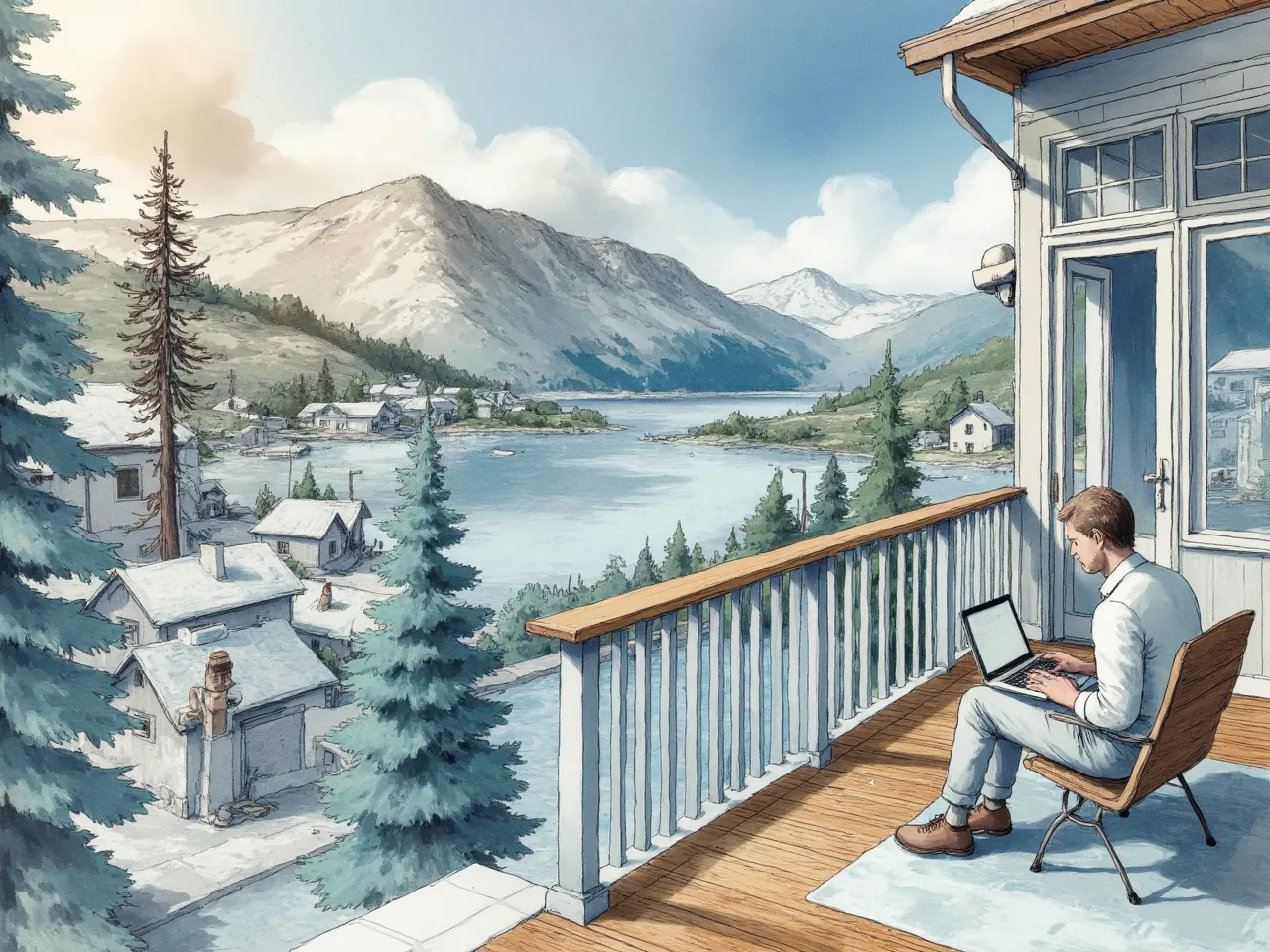
California’s mountain resort communities are seeing a significant change in who lives there and how homes are used. For decades, Big Bear followed an 80/20 rule: about 80% of homes were owned by part-time residents, with only 20% occupied by full-time locals. According to Mark Dolan, broker at RE/MAX Big Bear, this ratio is now shifting as more people relocate permanently, drawn by the option to work remotely and live in a mountain setting.
“The 80/20 rule was 80% of the homes were owned by people who did not live in Big Bear full time. 20% of the people were full-time residents,” Dolan says. “That trend is changing. More people are moving into the Big Bear market as full-time residents. We started seeing that in 2020 during the COVID pandemic, and we’re also seeing that happen even more now.”
Remote Work Drives Permanent Relocations
This increase in full-time residents began during the pandemic, as remote work became widespread, but it has continued even as some companies have called workers back to the office. Many buyers who once saw Big Bear as a weekend escape now view it as a viable primary residence, using remote work to access outdoor recreation and a quieter lifestyle.
“We also have people who can telecommute, and they’re moving in full time,” Dolan says.
Big Bear is about two hours from Los Angeles, three hours from San Diego, and three hours from Las Vegas, making it accessible to millions in nearby cities. For those who no longer commute daily, the question has shifted from whether to justify a second home to whether to move to the mountains full time.
When asked what’s driving the new wave of permanent residents, Dolan points to quality of life. “There’s less hustle and bustle there,” he says.
Full-Time Residents May Increase Volatility
The changing mix of owners could alter how Big Bear’s market responds to downturns. Historically, most properties were owned by affluent buyers for whom a Big Bear home was a discretionary purchase. These second-home owners are less likely to sell at a loss if prices fall.
“Because it is a second home in a vacation market, the people who tend to own property tend to be more affluent,” Dolan says. “It’s not their only property. It’s discretionary. They didn’t have to buy it, and they don’t have to sell it.”
When prices dropped 10–15% from pandemic highs, many second-home owners waited rather than selling at lower prices. This behavior reduced inventory and prevented distressed selling, which can quickly drive down prices in primary-residence markets.
As more homes are bought as primary residences, however, this buffer could weaken. Full-time residents facing job loss or financial pressure may need to sell. That adds price-sensitive listings to the market during downturns.
This shift also changes how buyers evaluate properties. Second-home buyers have typically focused on lifestyle and long-term appreciation, showing less concern about short-term cash flow or rental income. Full-time residents are more likely to prioritize school quality, commute times for occasional office visits, and the total cost of ownership.
Dolan notes that Big Bear’s sales volume in 2025 declined by just 3.8% year-over-year, while average prices remained flat. This stability likely reflects the continued dominance of discretionary second-home owners. As more full-time residents enter the market, Big Bear could begin to mirror traditional residential markets, with increased price sensitivity and more pronounced swings in sales volume.
Residents Push for Year-Round Services
The move from weekend retreat to full-time residence is putting new demands on Big Bear’s infrastructure and services. Occasional visitors accept limited restaurants, seasonal closures, and basic services. Full-time residents, by contrast, require year-round amenities, participate in local government, and reshape the community’s economic base. The shift also affects property upkeep, neighborhood dynamics, and the types of businesses that can succeed.
Big Bear’s experience may foreshadow what lies ahead for other mountain resort communities as remote work enables more people to consider permanent relocation. Communities that adapt to the needs of full-time residents — by improving services, infrastructure, and amenities — are likely to see sustained demand. Communities that remain geared toward occasional visitors may struggle to attract and retain remote workers seeking a permanent lifestyle change.
RE/MAX Big Bear is already seeing these changes in buyer inquiries and priorities. Dolan says buyers now ask more often about internet reliability, year-round road access, and proximity to services, rather than focusing solely on short-term rental potential or vacation features. These new priorities are beginning to determine which properties sell quickly and which linger on the market.
Big Bear Adapts to Change
The shift from a second-home market to one with a growing base of full-time residents is changing Big Bear’s real estate landscape and local economy. Second-home owners visit occasionally. Their demand for local services and infrastructure is limited. Full-time residents, by contrast, require year-round amenities, participate in local government, and reshape the community’s economic base.
As remote work continues to give buyers more options, the communities that adapt to the needs of permanent residents will likely remain resilient and attractive. For sellers and agents, understanding these new priorities — and how they affect both property values and market stability — will be critical as Big Bear enters its next chapter.
Similar Articles
Explore similar articles from Our Team of Experts.

Industry Profiles, Commercial Real Estate, Property Technology, Market Analysis & Policy, Top Articles
The surge in artificial intelligence infrastructure has created record demand for data centers, but traditional construction methods cannot keep up. Conventional data center builds often tak...