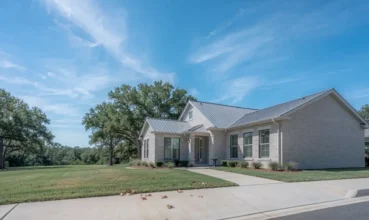
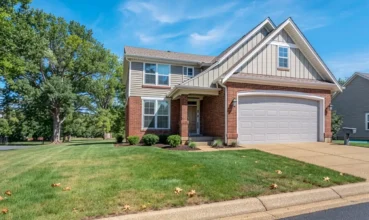
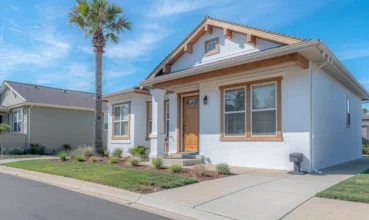
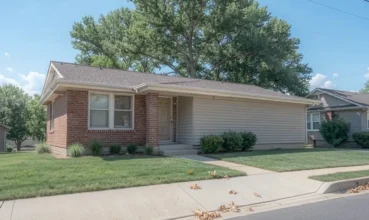
For decades, affordable housing in the Bay Area focused almost entirely on rentals. Nearly all public funding went to building apartments for low-income families, while programs supporting homeownership were largely sidelined. In early 2026, that pattern is starting to change. Cities are launching new affordable homeownership projects, nonprofits are advocating for more balanced funding, and working families who have long been priced out are seeing real opportunities to buy.
While the shift is gradual, it marks the first significant movement toward affordable homeownership in a generation. In Menlo Park, construction is starting on the city’s first affordable homeownership development in 30 years. San Francisco recently helped teachers and hospital workers purchase homes in Diamond Heights using zero-interest loans. Across the region, local governments and nonprofits are pushing to split affordable housing dollars more evenly between rental and ownership options.
For many families who have been waiting for a chance to buy, these developments represent a new path to building equity and stability.
Current Landscape
Affordable homeownership projects are finally advancing after years of delays and limited funding. Habitat for Humanity Greater San Francisco has nearly 200 homes in its pipeline, with developments in Novato, Menlo Park, and San Francisco under construction or awaiting permits.
Demand for these homes is overwhelming. When Habitat GSF offered eight homes in Diamond Heights, more than 500 families applied, with over half meeting all qualification criteria. In Menlo Park, 700 families applied for just 20 available homes. According to Maureen Sedonaen, CEO of Habitat GSF, these applicants have steady jobs, good credit, and strong community roots, but have been shut out of traditional ownership models.
The key change is that more cities are now allocating funding specifically for affordable homeownership. San Mateo County’s Measure K fund is backing ownership projects. Menlo Park worked with Habitat GSF to develop a long-vacant lot. Advocacy groups are also pushing for the restoration of CalHome funding at the state level, which was cut from the 2025 budget but may return in 2027.
Why the Change Is Happening
Three main forces are driving this shift.
Recognition That Rentals Don’t Build Wealth: While affordable rentals are essential, they do not help families accumulate assets or improve long-term financial security. Homeownership allows families to build equity with every mortgage payment. That equity can be used for major expenses, emergencies, or to help the next generation buy a home.
Broad Voter Support for Ownership: Demand for affordable homeownership cuts across political lines. Local families want stability, access to good schools, and the chance to create a foundation for their children. While rentals provide a measure of security, owning a home offers more lasting opportunities.
Nonprofits Demonstrating Feasibility: Organizations like Habitat GSF are proving that affordable homeownership is possible even in high-cost markets. By combining public funds, philanthropic support, and zero-interest loans, they are building homes that are truly within reach for working families. Homeowners pay about half of project costs through their mortgages, making the model more sustainable than many expect.
Pace of Progress
Progress is building, but it remains slow compared to the scale of need. Projects that previously stalled due to funding issues are now advancing. Habitat GSF’s Menlo Park development, after years of planning, is ready to start construction. The Novato project, which faced a 40% increase in costs since 2019, was redesigned to reduce expenses and is proceeding.
Affordable homeownership projects still require about three years from approval to move-in. However, cities are beginning to streamline permitting and approval processes, and nonprofits are adapting more effectively to rising construction and labor costs.
“We’re not treading water anymore,” Sedonaen says. “We’re pushing the rock up the hill – and it’s moving.”
What You Should Know
For Buyers: Teachers, healthcare workers, emergency responders, and service employees earning 50% to 80% of the area median income may qualify for affordable homeownership programs. Habitat GSF and similar organizations offer zero- or low-interest mortgages, often with little or no down payment required. Applicants need good credit and a steady income, but do not need large cash reserves.
For Sellers: If you are selling near an affordable homeownership project, expect to see more qualified buyers with strong local ties and long-term plans. These buyers may not have traditional profiles, but they are committed to staying in the community.
For Advocates: Support efforts to direct more affordable housing funding toward ownership programs, not just rentals. Encourage city and county officials to include homeownership in housing proposals and to partner with nonprofits with a proven track record.
What This Means
The Bay Area’s affordable housing market is beginning to include real ownership opportunities for the first time in decades. More cities are investing in homeownership, more families are being approved, and more projects are moving from plans to active construction. As Sedonaen puts it, “Everyone should have the opportunity to become a first-time homeowner. We need to expand the funding and the awareness so more people know it’s possible.”
If these trends continue, working families may finally gain a foothold in one of the country’s most expensive housing markets — turning long-term renters into homeowners and helping communities retain the people who keep them running.
About the Expert: Maureen Sedonaen is CEO of Habitat for Humanity Greater San Francisco, which creates affordable homeownership opportunities for working families in San Francisco, Marin, and San Mateo counties. The organization has served the region for 39 years.
This article is based on information provided by the expert source cited above. It is intended for general informational purposes only and does not constitute legal, financial, or real estate advice. Readers should conduct their own research and consult qualified professionals before making any real estate or financial decisions.