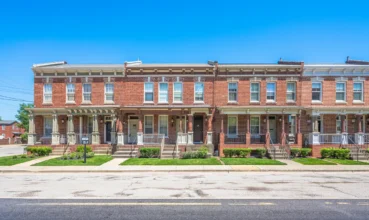
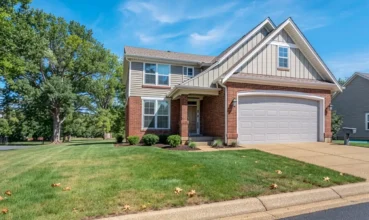
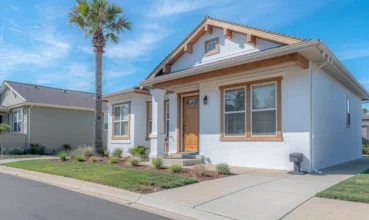
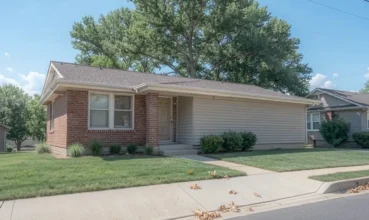
While national headlines focus on mortgage rates as the main force shaping the housing market, John Finn, Jr., Senior Managing Broker at United Real Estate Richmond, says this misses the real problem: a persistent shortage of homes for sale. According to Finn, the main constraint isn’t financing — it’s inventory — and that scarcity is fueling a direct competition between baby boomers and millennials for the same entry-level houses.
Two Generations, One Target
Finn describes a market in which the largest generational groups in U.S. history are now competing for the same limited inventory. Baby boomers, looking to downsize from larger homes, and millennials, seeking their first starter homes, are both targeting smaller, more affordable properties. This overlap is driving up prices and sparking bidding wars that have little to do with the cost of borrowing.
“You have baby boomers and millennials looking for the same property — that entry-level home,” Finn says. “The baby boomer is downsizing, the millennial is buying for the first time, and both groups are battling over the same property.”
He recalls a recent example that made this dynamic clear: while showing a house to a 72-year-old client downsizing from a five-bedroom home, Finn saw another family already inside and a third waiting outside. When his client finished the tour, her own 28-year-old granddaughter arrived with an agent to view the same house. In one afternoon, three generations — two of them direct competitors — lined up for a single property.
Central Virginia’s Shortage
The inventory crunch Finn sees in central Virginia reflects a broader national trend. The region currently has about 45 days of inventory, down sharply from six months’ supply eight years ago. While Finn expects a modest increase in listings as spring approaches, the underlying shortage remains. The average sales price in the area is $487,000, up slightly from last year, but price growth has slowed as the market stabilizes.
“Mortgage rates generally drive the market. Our challenge today is and has been for a few years now, inventory — having enough property in inventory,” Finn says. He notes that the shortage is widely recognized by national and state real estate groups, home builders, and mortgage bankers, but no effective solution has emerged.
Builders and Municipalities
Finn argues that the solution is clear: build more smaller, affordable homes that appeal to both downsizing boomers and first-time millennial buyers. But this isn’t happening. Builders are not constructing these homes, and municipalities are not approving zoning for smaller lots or higher-density developments.
“If municipalities, the real estate industry, home builders, and government could come together on smaller homes and lower prices, it would allow more people into the market,” Finn says. He points out that without new construction at accessible price points, the spring market will remain highly competitive, regardless of any drop in mortgage rates.
“Builders are not building that house, and municipalities are not approving zoning for properties that small,” Finn explains.
What This Means
The generational squeeze Finn describes signals that real estate dynamics are now driven more by supply shortages than by Federal Reserve policy. When inventory is the main constraint, rate cuts may bring a few more buyers into the market but won’t solve the fundamental problem: there just aren’t enough houses for everyone who wants one.
For developers and policymakers, this highlights a largely overlooked opportunity — building the smaller, more affordable homes that both boomers and millennials need. Until more of these homes are built, competition for entry-level properties will remain fierce, and affordability will remain out of reach for many buyers.
A Policy Blind Spot
The industry’s failure to address the inventory crisis may be the most significant policy oversight in residential real estate today. As long as builders and municipalities avoid the work of creating more small, affordable homes, the generational bidding war Finn describes will continue to shape the market in ways that interest rate changes cannot fix.
Looking ahead, the spring season is likely to see strong buyer demand but limited options, keeping pressure on prices and leaving many would-be buyers frustrated. Without a coordinated effort to expand the supply of entry-level homes, the clash between boomers and millennials for the same properties will remain the defining feature of the market — and an urgent challenge for anyone hoping to make homeownership more accessible.