
Proposals for 50-year mortgage products as housing affordability solutions face skepticism from real estate finance professionals who argue extended terms undermine homeownership’s wea...

Atlanta Luxury Home Buyers Favor Amenities Over Square Footage

Written by:
Date:
19 Mar 2026
Share via Facebook

Share via Linkedin

Share via X

Copy to clipboard

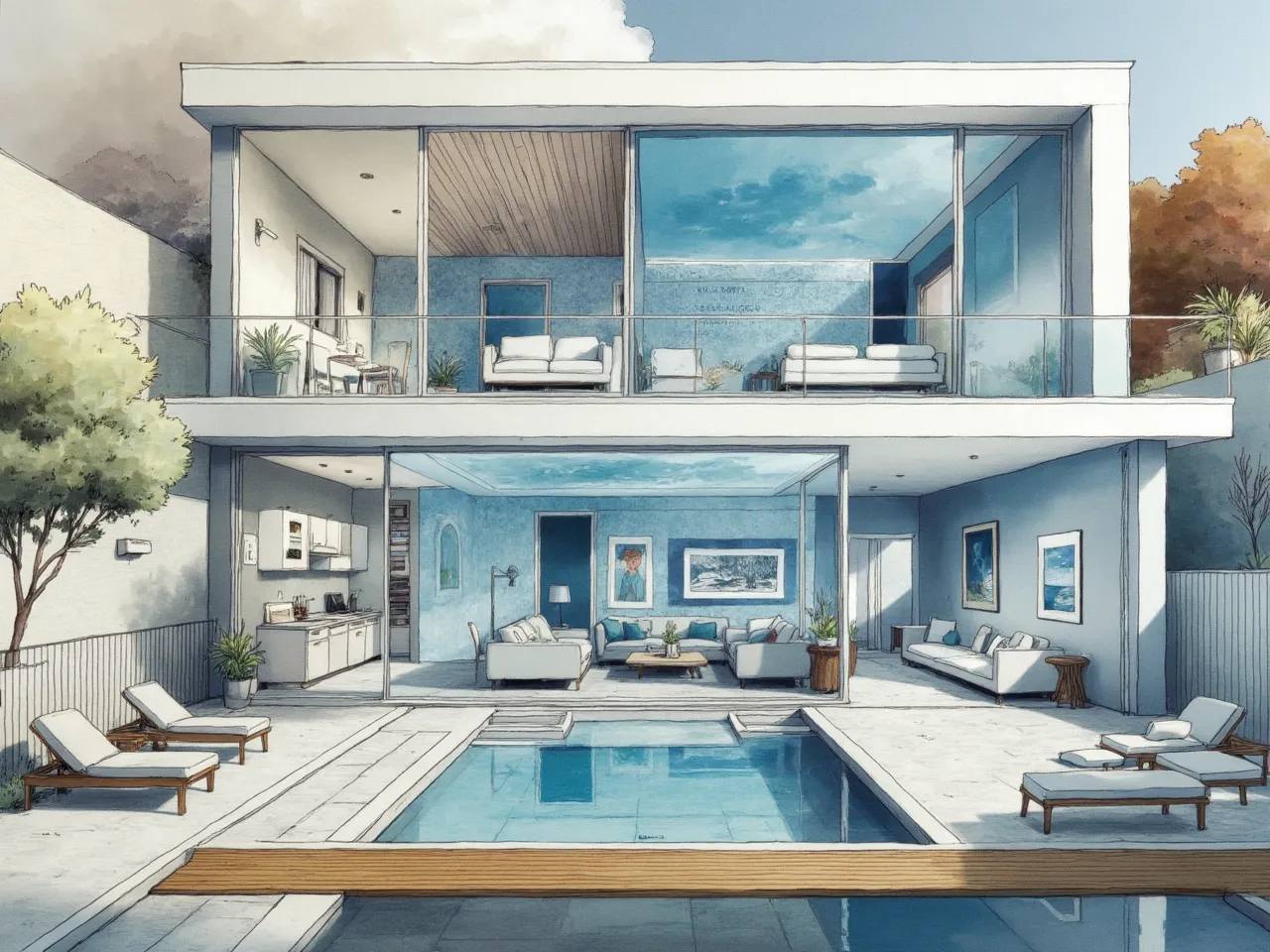
Luxury real estate buyers are redefining what matters in a high-end home. Demand is shifting away from sprawling square footage toward properties designed for daily function and integrated amenities. According to Sarah Chatel, Team Leader and Owner at Chatel Group, buyers in the $3 million to $4 million-plus range now prioritize homes that function as self-contained compounds with gyms, outdoor recreation, and entertainment spaces rather than simply maximizing size.
“People have become more family-focused since the pandemic,” Chatel says. “They want a home that is welcoming to people and not sterile. It’s a different vibe.”
This trend signals a deeper shift in how wealthy homeowners view their properties, with lasting effects on luxury design, marketing, and valuation.
Large Homes Lose Buyer Appeal
The era when 20,000-square-foot mansions served as status symbols is fading. Chatel says luxury buyers now focus less on total square footage and more on how a home’s spaces serve real needs.
“I don’t see people as interested in the monster house,” Chatel says. “More, what does that house have in it? How is it laid out? How does that house welcome a family or a party?”
This change challenges the long-held development model that equated size with value. Homes built to maximize square footage without a clear purpose now face longer listing periods and weaker buyer interest. Properties with well-integrated lifestyle amenities are selling faster and at higher prices relative to their size.
The new approach reflects a more practical outlook among luxury buyers. Buyers want residences that support a high quality of life, not mere displays of wealth. Thoughtful design and purposeful space now outweigh sheer volume.
Buyers Want Self-Contained Homes
Modern luxury buyers want homes that minimize the need to leave for daily activities. Chatel describes this as compound living, where all essential amenities are on-site.
“The luxury client is looking more for amenities,” Chatel says. “If they’re in that upper category over three or four million, they want to have those amenities in their home, like a gym in their home. They want everything like a compound. They want all of their things within reach. They don’t want to have to drive or go somewhere.”
This trend is especially strong in Atlanta, where traffic makes even short trips time-consuming. A five-mile drive can take 45 minutes during peak hours, making in-home amenities a necessity for buyers who want to protect their time.
The compound model also reflects lasting post-pandemic behavior. While some pandemic trends have faded, the desire for self-sufficient homes with integrated amenities has persisted into 2026. This suggests the preference reflects a structural change, not just a pandemic reaction.
Location Becomes a Luxury Amenity
Luxury buyers are also increasingly focused on location and accessibility. Chatel says clients now evaluate homes based on proximity to airports, outdoor recreation, and workplaces, treating location as an amenity.
“They’re looking for proximity to the airport, they’re looking for outdoor recreation,” Chatel says.
This departs from the old luxury model, where remote or exclusive locations automatically commanded higher prices. Today’s affluent buyers are less willing to trade convenience for exclusivity, particularly when remote locations add significant travel time.
Work patterns among high-net-worth individuals are also influencing these preferences. Even with more remote work, many executives and professionals still travel frequently or work hybrid schedules. Homes with easy access to airports or manageable commutes to offices now offer tangible advantages over isolated estates.
Design Now Drives Luxury Value
The preference for functional luxury is reshaping how developers, architects, and agents approach high-end real estate. Properties designed around lifestyle amenities and daily function are outperforming those built for square footage alone. For agents, marketing must now highlight how a home supports modern living rather than leading with size or lot dimensions.
Successful luxury marketing emphasizes integrated gyms, outdoor entertaining areas, and layouts that support family life and hosting. The focus is on how the home works for its residents, not just how large it is.
This trend also creates opportunities to renovate older luxury homes. Properties built during the monster house era can benefit from upgrades that add functional amenities and improve space utilization, even if total square footage stays the same.
Chatel’s team operates a concierge division to help sellers prepare homes for the market. Move-in-ready properties attract premium offers. “We have a concierge division within our company that will help you get your house ready for the market,” she says. “We know that houses are priced at three prices: wholesale, retail, and aspirational pricing, and we try to hit that third tier.”
Luxury buyers will pay more for homes that meet their needs without requiring immediate renovations. Properties with integrated amenities and thoughtful design can command aspirational pricing that exceeds typical market comparables.
Functional Homes Set New Standard
The move toward functional amenities and away from oversized square footage shows no signs of reversing. The trend has held from the pandemic through early 2026, indicating a genuine change in how affluent buyers choose and use their homes.
For the luxury real estate industry, this shift means rethinking what creates value at the top of the market. Size alone is no longer a guarantee of high prices or rapid sales. Homes that integrate amenities, support desired lifestyles, and make daily living easier are setting the new standard for luxury.
The divide between well-designed, functional luxury homes and oversized properties lacking a clear purpose is likely to widen. Owners, developers, and investors who adapt to these buyer preferences can expect stronger demand and better returns. Those who rely on outdated assumptions about size and status may find their properties lingering on the market. The market is rewarding homes built for the way people live now, not just for show.
Similar Articles
Explore similar articles from Our Team of Experts.