

Veteran commercial real estate broker John Jay Schwartz, Managing Director of Have Site Will Travel – The Man With Square Feet, argues that local approval processes have fundamentally ...

Small Ohio Cities Are Rezoning Land Faster Than Big Metros Issue Permits

Written by:
Date:
04 Sep 2026
Share via Facebook

Share via Linkedin

Share via X

Copy to clipboard

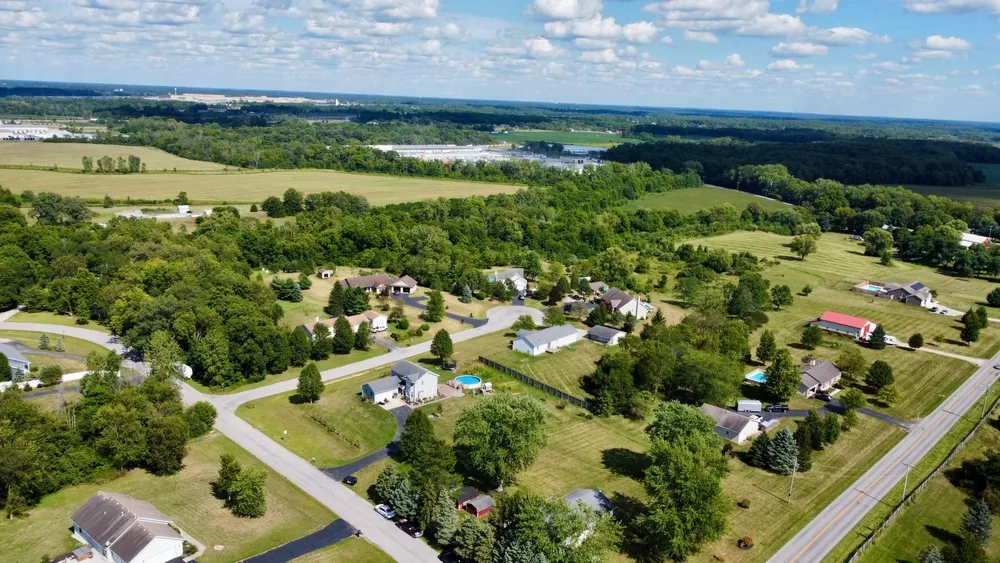
Converting a parcel from general commercial zoning to a mixed-use planned unit development in Lebanon, Ohio, took less effort than getting a routine construction permit in a larger city nearby. That speed gap between small municipalities and major metros has direct consequences for homeowners and buyers near rezoned corridors; the commercial character of a neighborhood can change before most residents realize a proposal was filed.
Beth Underhill, Co-Founder & Principal of Athletic Community Experiences (ACE), is developing a mixed-use sports district in Lebanon. Her experience illustrates how frictionless the process can be when a smaller city wants what a developer is offering.
Why Small Cities Move Differently
Underhill operates in both worlds. She and her husband run a construction company that regularly seeks permits and variances in larger jurisdictions. Converting her Lebanon site’s zoning classification was, she says, “easier to get that than it was to get some of the permits and variances that my husband and I have to go through with our construction company.”
The reason is structural. Smaller municipalities have shorter chains of approval. Fewer departments review each application. Decision-makers are more accessible. In smaller cities, Underhill says, “it’s kind of easier to get to the right person so much sooner versus when you’re dealing with your larger metropolitan areas.”
What Alignment Looks Like
Speed is not automatic. It happens when the city’s priorities and the developer’s proposal overlap. In Lebanon’s case, the city had already identified a hotel as something it wanted added to the area within five years. ACE’s plan included a hotel. That alignment opened the door to cooperation and to discussions about tax increment financing, a public subsidy where future property tax revenue from the development is redirected to help fund the project’s infrastructure.
According to Underhill, the dynamic was collaborative rather than adversarial: “If we can do this for you, can you help us do this for us?” She describes a situation where both sides were working together rather than fighting each other.
The development plan calls for indoor and outdoor sports pitches, a human performance center focused on athlete development and research, two hotels, multifamily housing, retail, restaurants, office space, and walking trails. The sports facility, Total Performance Sports, is designed to host regional tournaments drawing teams from Columbus, Indianapolis, Pennsylvania, Michigan, and beyond.
What This Means for Nearby Homeowners
If you own a home within a few miles of a site like this, the zoning change itself is the signal to pay attention to, not the groundbreaking. Once a parcel flips from general commercial to mixed-use PUD, hotels, apartment buildings, restaurants, and retail all become permitted uses that were not there before.
That expansion can support higher surrounding property values over time, particularly once commercial tenants open and generate activity. But it also introduces uncertainty during the development period: construction traffic, shifting timelines, and the possibility that not all planned phases materialize.
ACE has not yet closed on its land as of this conversation. The project’s buildout sequence, sports facility and first hotel simultaneously, then multifamily, then retail and office, then a second hotel, represents years of construction activity in a corridor that is currently undeveloped.
Financing a Project Without Cash Flow
The capital structure for land-stage development differs from stabilized real estate. Traditional banks, Underhill says, are reluctant to lend on land because it generates no income. ACE has looked outside conventional lenders to specialty lenders, private investor groups, and family offices.
Finding the right capital partner has been more difficult than financing a stabilized multifamily acquisition would be. Underhill says the challenge is finding a group that wants to collaborate and earn a return without seeking to take the project away from the development team.
A Replicable Model
Underhill says ACE intends to build similar sports-anchored developments in other markets, primarily in the Midwest and Southeast. Each site would be adapted to local conditions; if hotels already exist nearby, the plan would not duplicate them. The common thread is youth sports tourism, which ACE sees as the demand driver that justifies the surrounding commercial development.
For residents and prospective buyers in small-city corridors across Ohio and the broader Midwest, the pattern is worth watching: when a local government has identified unmet needs that a developer proposes to fill, zoning conversions can move faster than most homeowners expect. Your neighborhood’s zoning status may be less permanent than you assume.
About the Expert: Beth Underhill is Co-Founder and Principal of Athletic Community Experiences (ACE), a development group behind a youth sports-anchored mixed-use project in Lebanon, Ohio.
This article is intended for informational purposes only and does not constitute legal, financial, or investment advice. The views and opinions expressed herein reflect those of the individuals quoted and do not represent an endorsement of any company, product, or service mentioned. Readers should conduct their own due diligence and consult qualified professionals before making any investment decisions.
Similar Articles
Explore similar articles from Our Team of Experts.