
AI is reshaping deal sourcing, property management, and investment decisions in commercial real estate. In real estate and private investing, it’s already reshaping how deals get found...

Cleveland Multifamily Sellers Who Bought at the Peak Are Running Out of Options

Written by:
Date:
13 Aug 2026
Share via Facebook

Share via Linkedin

Share via X

Copy to clipboard

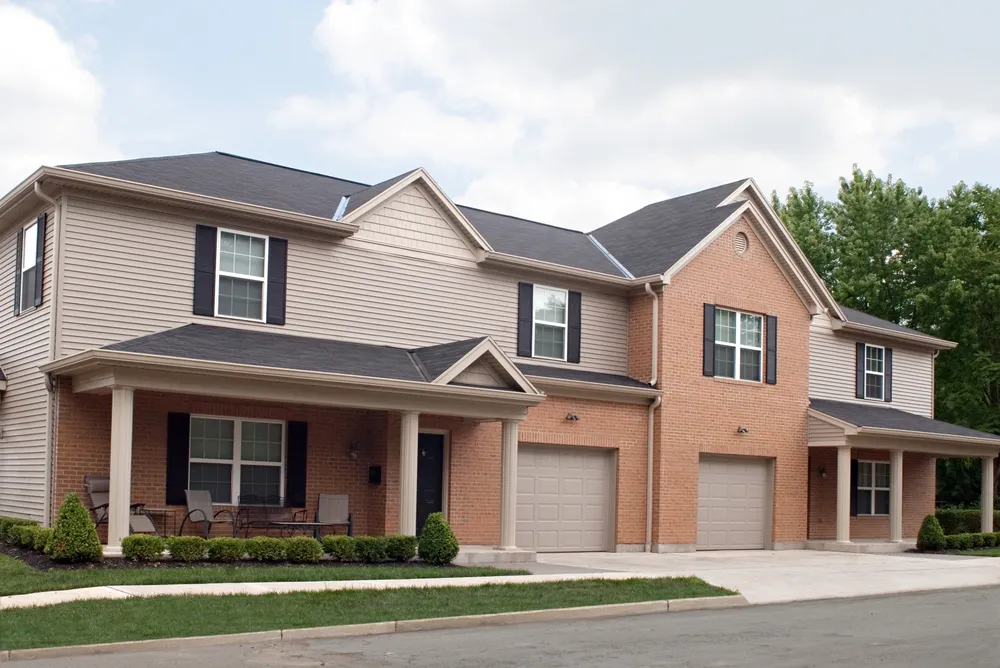
Investors who purchased Cleveland apartment buildings in 2021 or 2022 with 3% mortgages and top-of-market pricing now face a sale price gap they cannot close. Mortgage rates sit in the six-and-a-half-percent range, which means buyers today need higher cap rates to make the numbers work, and higher cap rates mean lower prices. Owners who stretched to buy at the peak are discovering that breaking even requires listing above what buyers will pay, creating a standoff that is starting to produce forced sales.
Tal Tamir, founder of Premier Cleveland Investing, a brokerage team that has closed approximately 3,000 units and $230 million in sales since December 2017, according to the company’s figures, says the distress is no longer theoretical. Working daily with both buyers and sellers of B and C class multifamily properties across Cleveland, he describes a market where a specific cohort of owners is stuck between what they owe and what the market will bear.
The Math That Traps Peak Buyers
An investor who purchased a 20-unit building at a five or six cap rate with ultra-low interest rates locked in favorable debt service. That same building today needs to trade at a seven, eight, or nine cap rate for a new buyer’s leverage to produce returns. But a higher cap rate means a lower sale price. And a lower sale price means the original buyer can’t recover what they put in.
Tamir describes these sellers as being “in a very tight spot.” They made assumptions about rent growth, exit timing, or refinance opportunities that haven’t materialized. Now “they need to ask more than what the building’s worth to kind of recoup their initial investment,” he says. The result is listings that sit, price reductions that come slowly, and in some cases, real financial trouble.
The Gap Is Widening
For rates to drop enough to restore peak-era pricing, monetary policy would need to shift dramatically. Meanwhile, operating costs – insurance, property taxes, maintenance, have risen. Some owners who syndicated their purchases owe returns to passive investors and face pressure from multiple directions simultaneously.
Tamir says he’s seeing the early stages of forced selling. “I’m starting to see some blood in the water,” he says. Some owners face bank pressure and potential foreclosure. Others aren’t in crisis yet but are holding properties that underperform their projections. He expects this to intensify: “There’s going to be more bank deals, more foreclosures, more people that actually have to sell even if they’re getting out at a loss.”
For buyers, a distressed seller doesn’t automatically mean a good deal. The property itself may have deferred maintenance, below-market rents that take time to raise, or management challenges that contributed to the owner’s problems.
From Multiple Offers to Longer Holds
The market has moved from one where anything listed at a reasonable cap rate drew multiple offers to one where deals sit longer, and seller expectations need resetting before transactions close. Tamir characterizes this as normalization rather than collapse, a return to fundamentals after the distortion of 3% interest rates.
Buyers are still active. Tamir says they’re coming from expensive coastal markets, Seattle, New York, California, where cash flow is difficult to achieve. Cleveland still offers double-digit cash-on-cash returns on well-bought deals, which keeps capital flowing in. But the pace has slowed, and the gap between what sellers want and what buyers will pay requires more negotiation and creative structuring than it did two or three years ago.
Tamir recently closed a 130-unit deal on the border of Lakewood, a popular Cleveland neighborhood, that had been on the market for an extended period. The seller held some paper to bridge the gap between ask and offer. That kind of deal architecture, where sellers finance part of the transaction to make the numbers work for the buyer, is becoming more common as the spread between seller expectations and buyer math widens.
Rents Holding, Distress Concentrated Among Overleveraged Owners
One factor preventing a broader market decline: rents in Cleveland’s B and C class buildings remain strong. Tamir says he’s surprised at how high rents have climbed compared to three, four, or five years ago. The Section 8 market in Cleveland is particularly robust, and both Tamir and his clients are leaning into that model.
The distress is concentrated among owners who bought at peak prices with peak leverage and made optimistic assumptions, not among long-term holders with lower basis. For prospective buyers, the assumptions that got current owners in trouble, aggressive rent growth projections, optimistic refinance timelines, underestimated operating costs, are just as dangerous if repeated. With rates in the mid-sixes, the margin for error on new acquisitions is thinner than it was when debt cost half as much.
About the Expert: Tal Tamir is the founder of Premier Cleveland Investing, a brokerage team specializing in B and C class multifamily properties across Cleveland, Ohio.
This article is intended for informational purposes only and does not constitute legal, financial, or investment advice. The views and opinions expressed herein reflect those of the individuals quoted and do not represent an endorsement of any company, product, or service mentioned. Readers should conduct their own due diligence and consult qualified professionals before making any investment decisions.
Similar Articles
Explore similar articles from Our Team of Experts.