
The prestige gap between the Hamptons and New Jersey’s beach towns is narrowing as convenience and pricing reshape luxury buyer preferences in the Northeast. Joseph DeNaro, realtor at Real...

Austin, Texas Apartment Oversupply Fades as Rents Prepare to Climb

Written by:
Date:
03 Aug 2026
Share via Facebook

Share via Linkedin

Share via X

Copy to clipboard

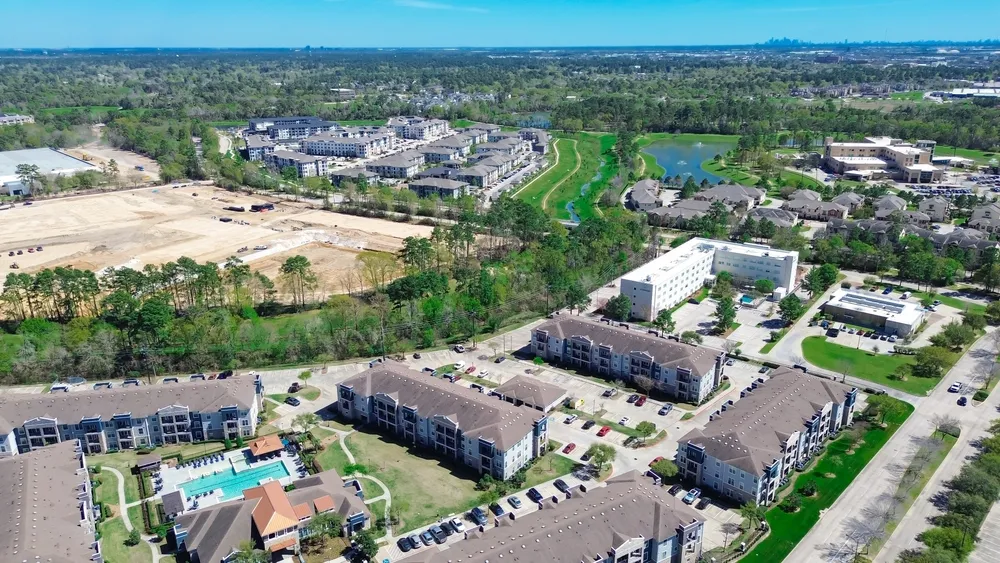
Drive around Austin, Dallas, or several fast-growing Southern and Southwestern metros, and you’ll see apartment complexes on nearly every block. Rents have softened, and landlords are offering concessions, discounts like free months and waived fees, to fill units. For renters, the market feels generous. But large investors say this is temporary. A building boom already slowed, and vacancies are filling up faster than most tenants expect.
Will McIntosh, Founder and CEO of ArcBridge Research Group, an independent firm that advises real estate investors, has tracked apartment market cycles for more than 30 years. Based in Austin, he has a ground-level view of the Sunbelt overbuilding and what comes next.
How Oversupply Began
Sunbelt cities grew rapidly, driven by population inflows and job creation. Developers responded by building apartments at a pace that eventually outstripped demand. McIntosh describes the result bluntly: “You drive around and you see apartments everywhere, and you say my God, this is crazy.”
According to McIntosh, “rent growth has declined significantly, and there are a lot of concessions being given in the market.” Anyone who signed a lease in Austin or another Sunbelt city recently likely got a better deal than they would have two years earlier.
New construction has already slowed. McIntosh says the overbuilding is now being absorbed because development pulled back: “We overbuilt it for a while, but now that overbuilding is being absorbed.” The number of new apartments being built now is thinner than in the prior cycle.
Why Vacancies Fill Faster
McIntosh’s clients include pension funds and investment funds owned by national governments. These investors own large apartment portfolios, but they aren’t panicking. They see the same population growth and single-family affordability crisis that created rental demand. McIntosh identifies the core tension: “A lot of the single-family housing market is priced beyond what a lot of people can afford.”
That dynamic hasn’t changed. The pool of people who need rental housing, rather than merely prefer it, continues to grow. The existing oversupply is being absorbed by the same migration patterns that caused the building boom, just without new supply behind it.
The Coastal Signal
One indicator McIntosh points to is that West Coast apartment markets have already turned the corner. “We’re already seeing the coastal markets, particularly the West Coast markets right now, are really picking back up,” he says.
Coastal markets recovered first because they had less excess supply to work through. Sunbelt markets have more, but McIntosh says the direction is the same, adding that “because of the growth in the Sunbelt markets, we’re going to see those markets come back as well.”
What This Means for Renters
Renters in Austin, Dallas, or Charlotte may be benefiting from a free month or a reduced deposit. These discounts exist because landlords prefer to fill units rather than leave them empty. Once occupancy tightens, which McIntosh and his clients expect, that leverage disappears.
This doesn’t mean rents will spike overnight. But renters weighing long-term decisions, such as locking in a longer lease, starting a home purchase, or relocating, should remember that today’s environment reflects a supply cycle, not a lasting drop in what Sunbelt apartments cost.
The Affordability Gap
The harder reality behind this cycle is affordability. McIntosh identifies affordable apartment construction as where the real opportunity lies for investors: “If you can build more affordable apartments, it’s even better. I think that’s where the real opportunity is.”
That’s precisely the segment where the least building has occurred. Regular-priced apartments, meaning units without income limits, dominated the boom, while the housing people need most was never overbuilt. When discounts dry up, renters at the lower end of the income spectrum will face tightening supply in a segment that never had surplus units to begin with.
About the Expert: Will McIntosh is Founder and CEO of ArcBridge Research Group, a third-party institutional commercial real estate consulting firm launched as a joint venture with Institutional Real Estate Inc. His background includes more than 30 years in institutional real estate, including 14 years at USAA Real Estate (now known as Phineas Capital).
This article is intended for informational purposes only and does not constitute legal, financial, or investment advice. The views and opinions expressed herein reflect those of the individuals quoted and do not represent an endorsement of any company, product, or service mentioned. Readers should conduct their own due diligence and consult qualified professionals before making any investment decisions.
Similar Articles
Explore similar articles from Our Team of Experts.