

I had the privilege of interviewing Marie Ffolkes, a highly successful CEO who has developed a keen eye for market inefficiencies and growth. Marie’s extensive career included serving ...

In Greenville, South Carolina, Commercial Developers Are Holding Properties Longer and Focusing on Lease-Up Instead of Sales

Written by:
Date:
30 Jul 2026
Share via Facebook

Share via Linkedin

Share via X

Copy to clipboard

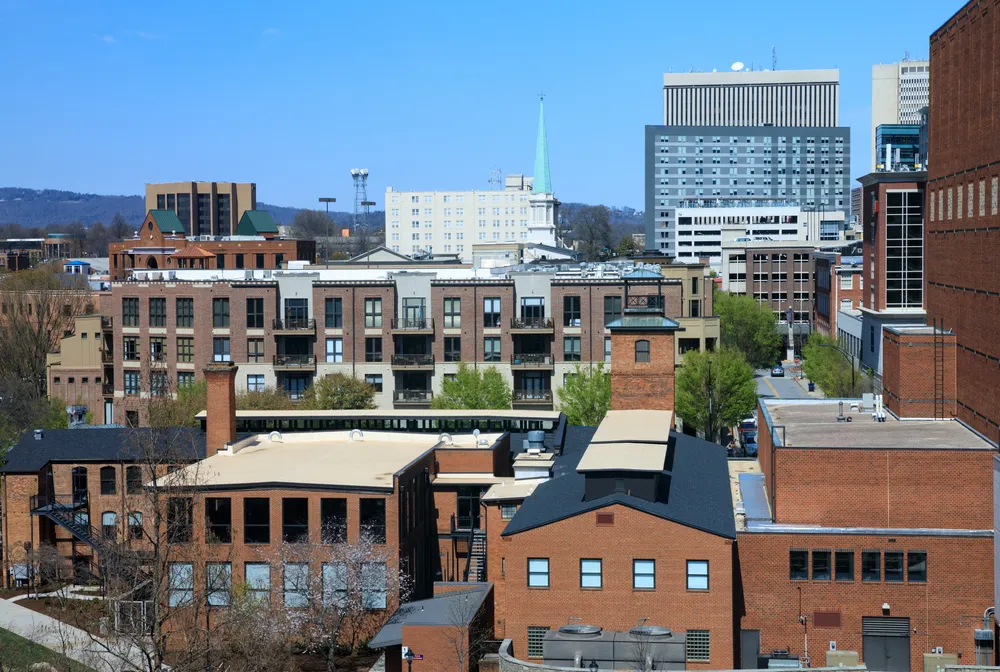
The commercial real estate market in Greenville, South Carolina’s upstate region, is not frozen, but the velocity of transactions has slowed enough that a different kind of legal work is filling the pipeline. Rather than closing acquisitions and dispositions, local developers are focused on stabilizing their existing portfolios: getting buildings leased, generating cash flow, and positioning assets for eventual sale under better conditions.
That shift is visible in the day-to-day work of transactional attorneys who represent the region’s commercial investors. Henry Fair, an Associate Attorney in the Real Estate Practice Group at Cassidy Coates Price, P.A., says the change has been pronounced. “We’ve definitely seen, as far as our developer clients, a little less buying and selling and a lot more of trying to get their buildings fully leased up,” he says. “They want to make sure that they’re locking their assets in and getting them cash flowing so they can eventually sell them or make them more attractive.”
A Market in Holding Mode
The pattern Fair describes – fewer flips, more stabilization – reflects a cost-of-capital environment that makes acquisition math harder to pencil. Borrowing costs remain elevated, and while the Greenville market has not seen local lenders tighten their standards in unusual ways, the expense of debt alone has been enough to slow the pace of new deals.
“Money is just a little expensive right now anyway,” Fair says. “There’s not much the lenders can do about that.” He notes that his clients generally maintain strong banking relationships and can still get financing when they want it; the constraint is not access to capital but the cost of deploying it at current rates.
The result is a commercial market where activity has migrated from the transactional side to the operational side. For attorneys, that means a desk full of commercial leases rather than purchase agreements. For property owners and tenants in the Greenville area, this means developers are more motivated to negotiate lease terms and fill vacancies than they might be in a faster-moving sales market.
Entity Purchases
One recurring issue Fair encounters involves buyers who arrive with a plan to avoid transfer taxes by purchasing the entity that owns a property – buying membership interests in an LLC rather than the real estate itself – and discovering that the strategy is more constrained than they expected.
“There are all sorts of restrictions on that,” Fair says. “There are local laws, but also tax laws that prevent folks from just swapping out membership interests in LLCs and then claiming that they didn’t do a real estate transaction.”
Fair attributes some of the misconception to buyers relying on their own research or AI-generated guidance about deal structuring before consulting counsel. The workaround sounds logical on paper: transfer the entity, avoid the deed stamps, but the legal framework treats many such transactions as real property transfers regardless of how they are papered. Fair describes the correction as a coaching process: walking clients through why the structure they had in mind does not accomplish what they thought it would.
For buyers considering entity-level purchases in South Carolina, the implication is direct: consulting a transactional attorney before committing to a deal structure can prevent a strategy from unraveling late in the process, when renegotiating terms or absorbing unexpected tax costs becomes significantly more expensive than addressing them upfront.
Legal Desk Perspective
Fair’s vantage point is instructive partly because of what he does not see. Deals that collapse due to financing problems or unfavorable conditions often never reach his desk; by the time a transaction arrives at the law firm, the buyer typically has financing in place or has already negotiated seller financing. The attrition happens earlier in the process, outside of legal visibility.
What he does see is volume. The pace of new purchase-and-sale matters has slowed, while lease work and entity structuring have filled the gap. The shift does not suggest distress; it suggests patience. Developers in the Greenville market appear to be treating the current environment as a period for stabilization rather than expansion.
How Deals Move Through
Fair outlines a commercial transaction process that begins with a letter of intent setting out the business terms, followed by contract drafting and negotiation. Once the contract is signed, a due diligence period begins. During this phase, Fair’s team focuses on the title, examining the chain of ownership, identifying restrictions on the property, and reviewing zoning matters, while the buyer handles physical inspections and confirms that the property can serve its intended use.
“We kind of collaborate with the clients on figuring out what the story of the property is, what type of things they need to look out for from a legal perspective,” Fair says. Closing typically follows within 30 days after due diligence concludes.
When representing lenders, the work shifts to a more administrative posture, ensuring the lender’s checklist is complete and that all required documentation, including the property review, has been addressed. Fair describes that side as less hands-on and more about overseeing the transaction as a whole.
What Fair Is Watching
Fair says the factors he is monitoring are primarily macroeconomic rather than anything specific to the local market. “I don’t think any real local factors that I can think of,” he says. “Most of it is tied to some of the bigger trends and making people a little bit more comfortable to spend some money.”
The Greenville upstate market, in Fair’s telling, is not facing a structural problem unique to the region. It is responding to the same elevated borrowing costs affecting commercial real estate nationally. The difference is behavioral: local developers with established lender relationships still have access to capital, but they are choosing to stabilize rather than acquire until the economics of new deals improve. If borrowing costs decline, Fair’s desk will likely shift back toward purchase-and-sale work, but until then, the lease pipeline is where the activity sits.
About the Expert: Henry Fair is an Associate Attorney in the Real Estate Practice Group at Cassidy Coates Price, P.A., serving commercial real estate clients in the Greenville, South Carolina, upstate market.
This article is based on information provided by the expert source cited above. It is intended for general informational purposes only and does not constitute legal, financial, or real estate advice. Readers should conduct their own research and consult qualified professionals before making any real estate or financial decisions.
Similar Articles
Explore similar articles from Our Team of Experts.