

In Scottsdale, where desert landscapes dominate, and summer heat regularly climbs above 100 degrees, homes with water views have always been rare and desirable. But over the past year, deman...

Why Some Maintenance Requests Take Months to Resolve

Written by:
Date:
21 Jul 2026
Share via Facebook

Share via Linkedin

Share via X

Copy to clipboard

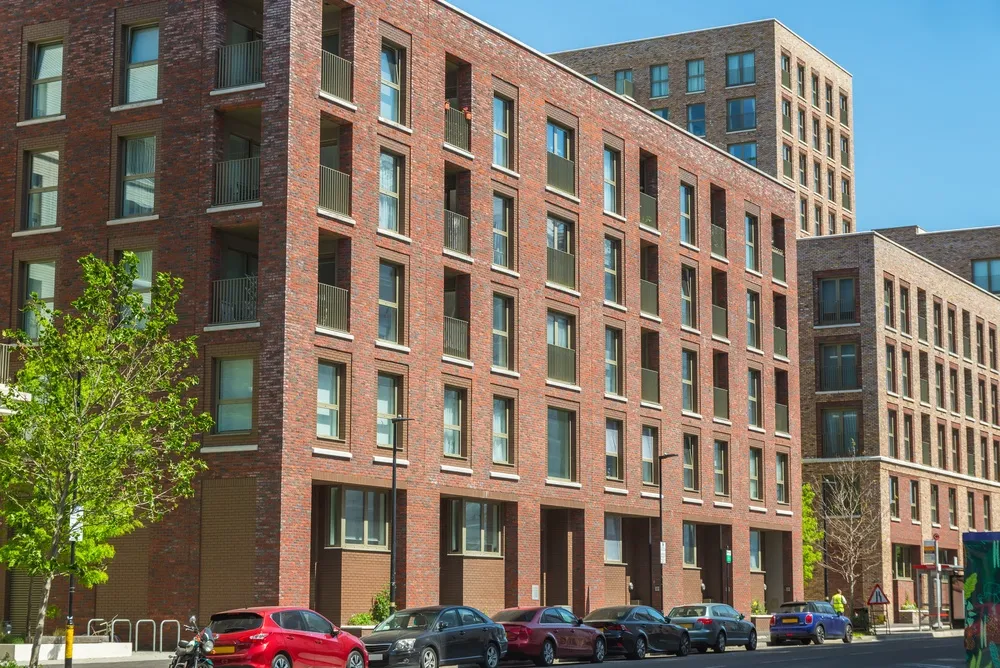
A broken dishwasher in a managed UK flat feels like a simple problem. Report it, someone fixes it, move on. But a single work order can touch dozens of people and cost hundreds of pounds before anyone picks up a tool, not because the management company is negligent, but because the administrative chain between “my thing doesn’t work” and a completed repair is far heavier than most residents realize.
Sergey Nasonov, CTO and co-founder of TYTEN, an AI automation company that works with UK facility management firms, has spent the past year and a half mapping what happens after a resident submits a maintenance request. According to Nasonov, the process touches far more people and costs far more money than the nature of the repair would suggest.
A resident reports a broken appliance. That request lands with a helpdesk staffer who asks clarifying questions, often two or three rounds of back-and-forth emails. Then someone must identify the right engineer: matching location, specialty, and availability against a rate card. The engineer travels to the site, finds parking, and deals with access issues. Maybe the resident is not home. Maybe the part is unavailable because the equipment is old and needs a custom component. The engineer leaves, schedules a return visit. Then comes the paperwork: a job sheet documenting the work, an invoice for the visit, and compliance reports proving the issue was resolved.
“It triggers like dozens of people and hundreds of pounds,” Nasonov says. A binary problem sets off an administrative avalanche.
The cost is not only financial. Each handoff introduces delay. Each delay compounds. Nasonov described his own experience as a UK resident: he waited four or five months for a dishwasher replacement. He had similar waits for a washing machine and a fridge.
For anyone buying or investing in a leasehold property, these costs surface in service charges, in how quickly a building stays maintained, and in the livability of the unit itself.
The Misconception About Indifference
Nasonov pushed back on the assumption that delays mean laziness. “People do care, and they try to make this work,” he said. The engineers, schedulers, and admin staff want to help. But the system routes a simple task through so many hands that resolution drags out regardless of intent.
He pointed to a specific example: an independent contractor arrived to install a smart meter but could not finish because regulations required a second person to hold a ladder above a certain height. The engineer lost income – Nasonov noted that first-time-fix bonuses make up a large share of their pay – and had to reschedule. The photo documenting the issue existed but had not been passed along to the landlord. Communication gaps, not apathy, killed the timeline.
Where the Administrative Weight Sits
Some engineers still handwrite their job reports, photograph the handwritten page, and send it via WhatsApp to an admin person – who then prints it, photographs it again, and emails it onward. That chain of analog-to-digital-to-analog is still happening in live UK buildings today. “There’s just too many people involved, which does not really necessarily require the judgment call,” Nasonov observed. The steps that need a human – diagnosing a problem, deciding on a fix, managing a tenant relationship – get buried under steps that do not.
Nasonov’s company has automated chasing emails, document processing, and compliance validation for UK facility management firms. According to TYTEN’s internal data, the automated chasing is persistent enough to change supplier behavior: engineers who previously neglected compliance paperwork for months eventually provide complete documentation once follow-ups become systematic and relentless.
What This Means for Property Owners
The practical question for residents and investors is whether a management company’s back-office systems can keep pace with its portfolio. A firm that still routes every compliance check and scheduling task through manual email chains will be slower and more expensive to operate than one that has reduced the administrative steps that do not require human judgment.
Before buying into a managed building, the relevant questions are operational: How does the management company handle work orders? How many handoffs does a repair require? What is automated and what still depends on someone remembering to send a follow-up?
Automation does not eliminate the physical constraints. Parts still need ordering. Engineers still need scheduling. Access still needs coordinating. The administrative layer can shrink, but the repair itself still takes time. The difference is whether a four-month wait reflects a genuine parts shortage or an email that sat in someone’s inbox for six weeks because no one was tracking it.
About the Expert: Sergey Nasonov is CTO and Co-Founder of TYTEN, a UK-based AI company focused on automating administrative workflows in facility management, with 25 automated modules built to date.
This article is intended for informational purposes only and does not constitute legal, financial, or investment advice. The views and opinions expressed herein reflect those of the individuals quoted and do not represent an endorsement of any company, product, or service mentioned. Readers should conduct their own due diligence and consult qualified professionals before making any investment decisions.
Similar Articles
Explore similar articles from Our Team of Experts.