

Metuchen, New Jersey, is seeing a striking divide in its real estate market: high-end homes are selling rapidly, while first-time buyers are being priced out. Last year, 15 homes in this sma...

In the Chicago Area, the Biggest Property Tax Mistake Is Doing Nothing

Written by:
Date:
09 Jul 2026
Share via Facebook

Share via Linkedin

Share via X

Copy to clipboard

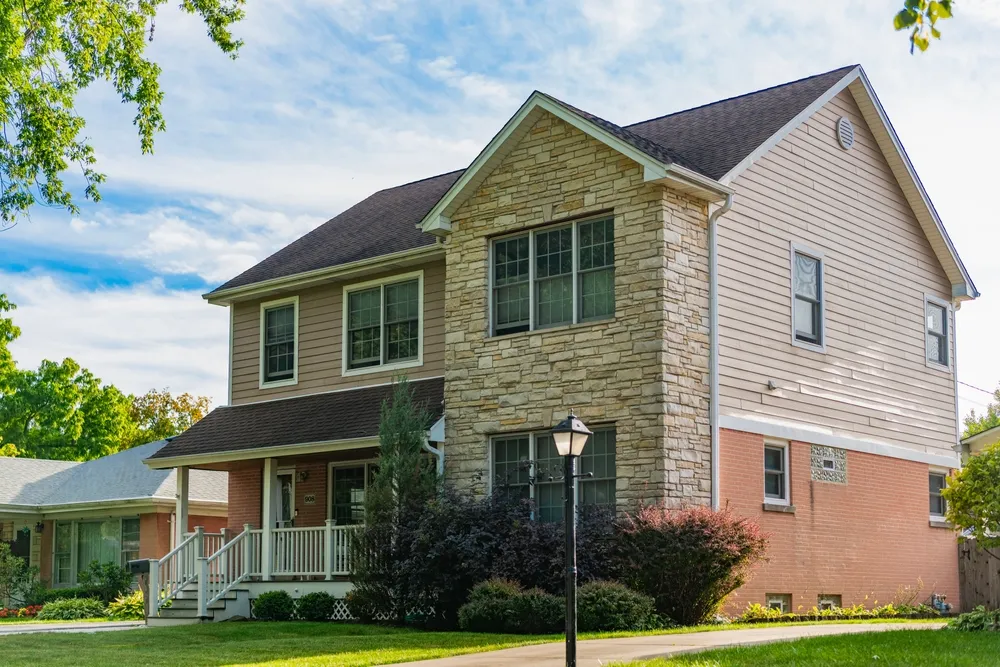
In a county with roughly 1.9 million taxable parcels, the vast majority of homeowners never challenge their assessed value. Property tax attorneys in the Chicago area say that inaction is far costlier than a failed appeal. The argument is simple: filing an appeal has no downside and a meaningful upside, yet most people skip it because the process feels intimidating or they assume they need a lawyer.
This matters now more than ever. In Cook County’s most recent assessment cycle, the southwest suburbs saw major increases in assessed value. Homeowners who skipped their appeal window are now locked into those higher numbers until 2029 – and rising home values supported by a strong market, combined with municipal budget pressures that keep tax rates climbing, mean the cost of inaction compounds with each passing year.
The Math Behind Inaction
David Kieta, founding manager and attorney at Kieta Law LLC, handles residential property tax appeals across Cook County and surrounding Illinois counties. His firm services clients through a partnership with O’Connor and Associates, and the pattern he sees year after year is the same: people pay whatever the county tells them to pay without questioning the number.
The math behind that passivity is worth understanding. The Cook County assessor’s office and the Board of Review see only a fraction of eligible appeals each cycle. That means most homeowners accept their assessed value by default – not because the number is accurate, but because they never tested it. According to Kieta, about half of appeals result in a reduction. A coin flip is not great odds on any single bet, but when the worst outcome is paying the same bill you were already going to pay, the risk is zero.
A Cost That Compounds
The benefit compounds over time. In Cook County, reassessments happen on a three-year cycle. If you skip your appeal window and your value stays inflated, that inflated number becomes the baseline for the next cycle. You are not just overpaying this year – you are locking in a higher starting point for years to come. Kieta emphasizes that a single year’s reduction matters less than keeping your assessed value low across multiple cycles.
You do not need an attorney to file. If you own your home in your own name – not through an LLC – you can file a pro se appeal with the Cook County Board of Review. The board will review your comparable properties for you. Kieta notes that when he worked at the Board of Review, he gave pro se filers a fair shake, and he believes most analysts still do. The system exists as a check on the assessor’s office. “The tax code is written for every county to have a board of review for a reason,” he says.
Deadlines And Data Mistakes
That said, the process has real friction. Deadlines are rigid. Miss the Board of Review window, and your appeal rights for that cycle evaporate – you cannot advance to the Property Tax Appeal Board without a Board of Review decision on file. For busy homeowners juggling work and family, that deadline can slip by unnoticed. Hiring a firm ensures you do not miss it, but it is not the only path.
Beyond deadlines, the second common mistake Kieta flags is relying on a real estate agent’s opinion of market value instead of gathering raw data. A property tax appeal requires comparable sales, equity data, and price-per-square-foot calculations based on your improvement value. A realtor’s informal estimate – however well-intentioned – does not meet that standard. Homeowners who file with weak comparables or unsupported valuations are more likely to walk away empty-handed.
Imperfect, But Worth Trying
The process is admittedly imperfect. A roughly 50-50 success rate means half of filers walk away with no reduction at all. And the appeal system cannot solve the larger forces driving Illinois tax bills upward: rising property values and municipal budgets that require steady revenue growth. Even a successful appeal is a modest brake on a bill that trends upward over time.
Still, Kieta’s core point holds: “You really have nothing to lose.” The system was designed for use. If you own property in Cook County or the surrounding collar counties, the single most expensive decision you can make is no decision at all.
About the Expert: David Kieta is the founding attorney at Kieta Law LLC, a property tax appeals firm serving Illinois homeowners and investors. His background includes experience at the Cook County Board of Review and helping establish O’Connor and Associates’ Illinois operation.
This article is intended for informational purposes only and does not constitute legal, financial, or investment advice. The views and opinions expressed herein reflect those of the individuals quoted and do not represent an endorsement of any company, product, or service mentioned. Readers should conduct their own due diligence and consult qualified professionals before making any investment decisions.
Similar Articles
Explore similar articles from Our Team of Experts.