

The surge in real estate professionals launching podcasts has revealed a critical flaw in how many approach the medium, according to Tomás Fonseca, CEO of Icons of Real Estate, who warns th...

On Florida's Marco Island, Rental Rules Could Make or Break Your Investment Property

Written by:
Date:
01 Jul 2026
Share via Facebook

Share via Linkedin

Share via X

Copy to clipboard

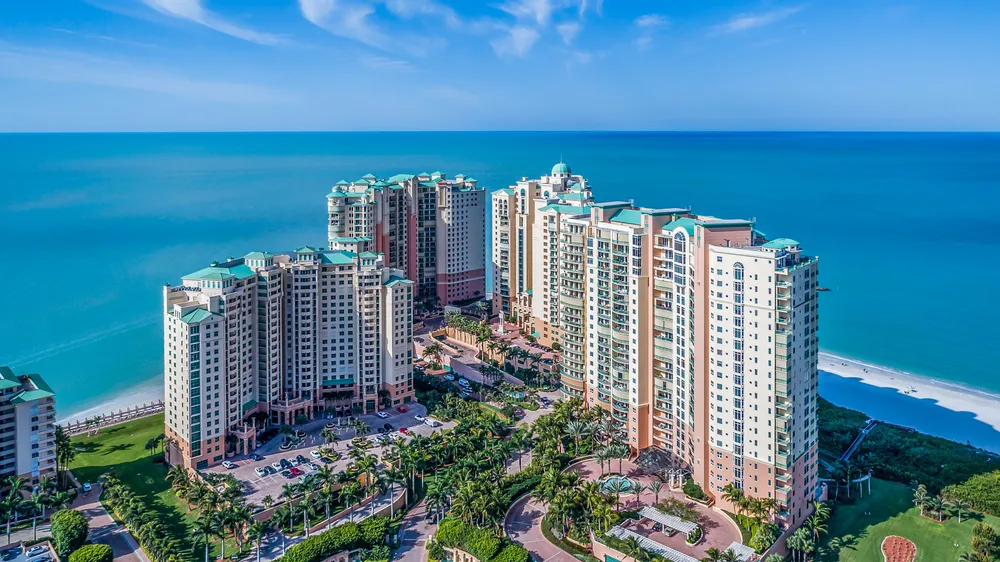
Buying a vacation rental property on Marco Island sounds straightforward: a resort island that swells from 17,000 year-round residents to more than 60,000 during peak season, with a steady stream of visitors who need somewhere to stay. The demand case is obvious. What’s less obvious, and what catches investors off guard, is that some of the most appealing properties on the island come with rental restrictions that make them nearly worthless as income-generating assets.
Yvette Wrona, a realtor with Premiere Plus Realty Co. who works with buyers, sellers, and investors on Marco Island, says the rental restriction issue is one of the first things she raises with anyone looking at condos as an investment. The restriction isn’t visible in a listing photo, and it isn’t always prominently disclosed.
The problem is most acute in beachfront condos, exactly the properties that tend to attract investors in the first place. Some condo associations require a 30-day minimum rental period. Others cap the number of rentals per year at three or four. For a buyer hoping to generate meaningful income from a property that costs several hundred thousand dollars or more, those rules effectively eliminate the investment case.
A property you can rent 52 times a year is a fundamentally different asset than one you can rent four times. The difference isn’t a matter of degree; it changes whether the numbers work at all.
Cash Buyers Are Better Positioned
The broader investment picture on the island has also tightened over the past decade. Wrona notes that finding a condo generating a return above 10 percent is harder now than it was ten years ago, when those opportunities were more common. Financing adds another layer of difficulty: if a mortgage is required, carrying costs compress returns significantly. Cash buyers are better positioned to achieve returns that make the investment viable.
That doesn’t mean the investment case has disappeared; it means it requires more precision. The investors Wrona describes as best positioned are those who understand exactly which properties carry weekly minimum rental terms and no cap on annual rentals, and who target those specifically rather than shopping by location or view alone.
Single-family homes present a different profile. Marco Island has very few gated communities with HOA structures that impose rental restrictions on single-family properties; Hideaway Beach is the notable exception. For most single-family homes on the island, rental frequency is governed by local ordinance rather than association rules, giving investors more flexibility than they’d have in a restrictive condo HOA.
The Hybrid Buyer’s Strategy
A growing segment of buyers is trying to split the difference: purchasing a second home they plan to use occasionally while renting it out part of the year to offset carrying costs. Wrona says she’s seeing more of this hybrid approach, particularly among buyers who want the lifestyle access but need the property to pay for some of itself. For that buyer profile, understanding the rental rules before making an offer determines whether the strategy is even possible.
Even properties with favorable rental terms are not guaranteed performers. The short-term rental market on any resort island is subject to seasonal concentration; Marco Island’s demand spike runs roughly from February through March, with the rest of the year considerably quieter. An investor underwriting based on peak-season occupancy rates may be building a projection that doesn’t hold across the full calendar year.
Watch for Pending Assessments
Florida’s legal environment adds another variable. The state has seen a steady pace of legislative changes affecting condo associations, including requirements around structural inspections and reserve funding. Some associations are now working through required repairs identified in those inspections, which can trigger special assessments. Wrona says buyers who don’t ask about open assessments and the status of inspection-related work before closing can face unexpected costs shortly after purchase.
For investors evaluating Marco Island specifically, the due diligence checklist is longer than it might appear from the outside. Rental restrictions, reserve fund health, pending assessments, and financing structure all feed into whether a given property performs the way the headline numbers suggest it should.
The starting point, according to Wrona, is simple: before you fall in love with the view, find out how many times a year you’re actually allowed to rent the unit.
About the Expert: Yvette Wrona is a realtor with Premiere Plus Realty Co., specializing in the Marco Island market in Southwest Florida.
This article is intended for informational purposes only and does not constitute legal, financial, or investment advice. The views and opinions expressed herein reflect those of the individuals quoted and do not represent an endorsement of any company, product, or service mentioned. Readers should conduct their own due diligence and consult qualified professionals before making any investment decisions.
Similar Articles
Explore similar articles from Our Team of Experts.