
Commercial real estate in smaller southern Illinois markets is experiencing rapid growth, driven by workforce availability, infrastructure, and demand for new technologies. BARBERMURPHY, a r...

Why Healthcare Real Estate Is Attracting Global Capital in a Volatile Market

Written by:
Date:
17 Jun 2026
Share via Facebook

Share via Linkedin

Share via X

Copy to clipboard

While some commercial real estate asset classes have struggled to attract institutional interest amid rising interest rates and tighter lending conditions, healthcare real estate has continued to attract capital from investors worldwide. The reasons come down to fundamentals that don’t depend on economic cycles: people will always need medical care, and the facilities that deliver it will always need to exist somewhere.
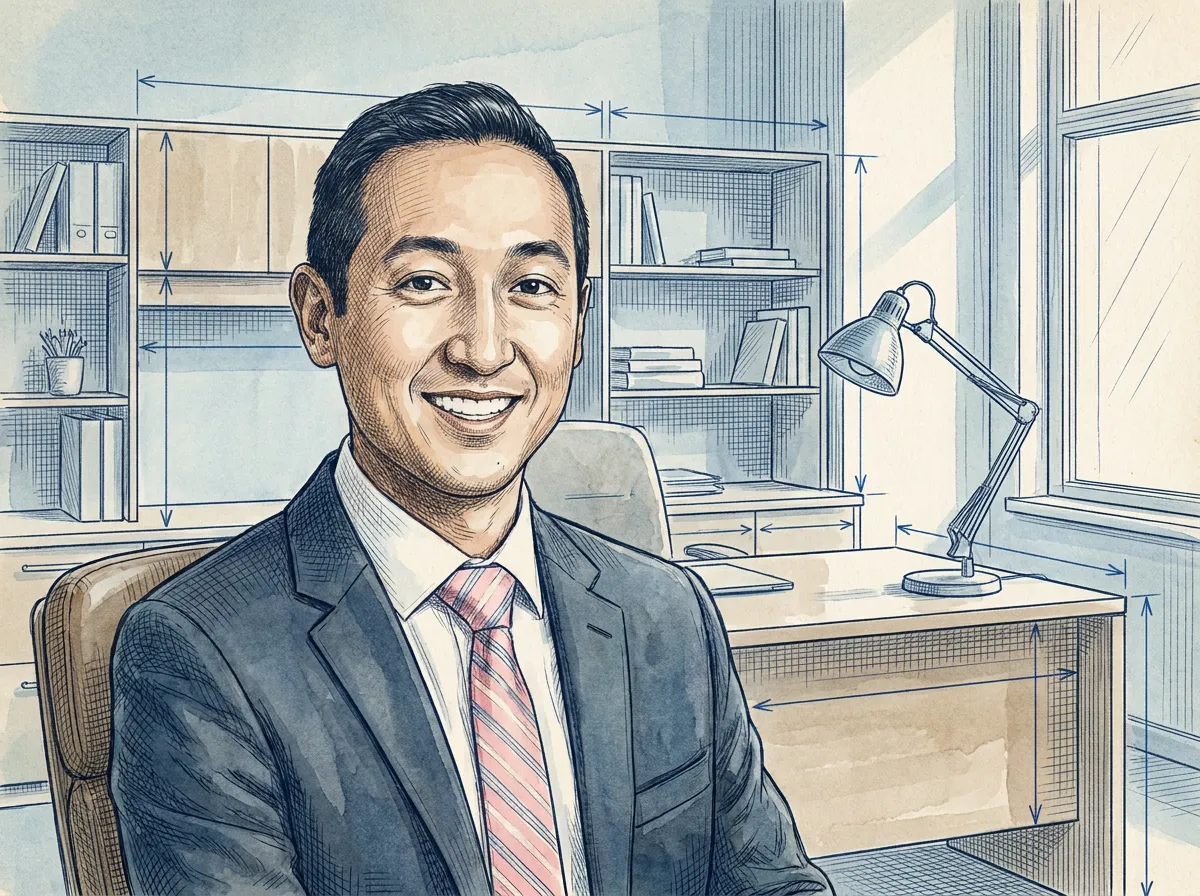
CJ Kodani, Senior Vice President at Colliers International, has spent nearly 15 years advising on healthcare real estate transactions. He joined Colliers a year and a half ago to build out the firm’s national healthcare capital markets presence. His five-person group focuses on investment sales, equity placement, and debt financing of medical outpatient buildings and hospitals, targeting roughly $1 billion in annual transaction volume, with a sweet spot around $25 million per deal.
A Sector Built on Demographic Inevitability
The core investment thesis for healthcare real estate rests on demand that no market cycle can eliminate. People age, get sick, have children, and eventually die, and each of those events requires physical medical infrastructure. “For all those life events to happen, there needs to be a doctor, hospital, or medical outpatient building,” Kodani says. “This won’t change regardless of robots, AI, or any new technologies in the future.”
That durability is drawing attention beyond domestic borders. International capital from Asia, Europe, and Australia is flowing into U.S. healthcare assets, drawn by the country’s relative stability as a wealth-preservation vehicle. Kodani cites his work with CORUM Asset Management, a French retail investor, as an example of European capital entering the U.S. healthcare real estate market for the first time. “The United States is ultimately a haven to preserve and grow wealth, and international capital sees that,” he says.
Transaction Environment
While the long-term case for healthcare real estate remains intact, the current deal environment requires more patience and precision than it did a few years ago. Institutional buyers are underwriting with more scrutiny, spending more time on business development, and being selective about which deals meet their return requirements.
Portfolio transactions have grown notably more complex. During the low-rate environment, large portfolios in the $150+ million range would trade seamlessly. Today, deals in the $75 million to $150 million range require a clearer strategic rationale, whether that’s a consistent risk profile across the portfolio, geographic concentration, or alignment with a market-leading health systems/physician group across multiple states. Kodani notes that portfolios with a defined strategy “are easier to get done in the current market.”
The deals closing tend to share well-defined characteristics: strong lease structures, favorable rent escalations, and long weighted average lease terms (“WALT”) that give buyers confidence in both near-term income and eventual exit pricing.
The PAM Health Transaction as a Case Study
How these principles play out in practice is visible in the recent $79.5 million sale of two PAM Health rehabilitation hospitals. The deal succeeded because the fundamentals were solid on both sides. The facilities carried strong EBITDA rent coverage ratios, absolute leases with long WALTs, and favorable annual rent escalations to hedge against inflation. The buyer, Clarion Partners, saw a clear path to holding the assets long-term while still retaining sufficient remaining lease term to command competitive pricing at exit.
Kodani describes it as a case where seller timing and buyer strategy aligned precisely, the seller captured a strong price at the right moment, and the buyer acquired assets positioned to perform well through a long hold. That kind of alignment is increasingly what separates completed transactions from stalled ones.
Behavioral Health Drawing New Attention
Beyond traditional medical outpatient buildings, two sub-sectors are seeing meaningful growth in institutional interest. Inpatient rehabilitation hospitals have attracted both new investors and traditional medical outpatient building investors looking to expand their investment mandates. Behavioral health facilities are close behind, driven by growing demand nationwide.
Kodani notes that one common mistake investors make is dismissing facilities simply because they include licensed beds. Licensed beds remain a core part of healthcare delivery and are increasingly needed as the population ages. He encourages investors to look past the operational complexity and evaluate whether the underlying healthcare service will grow over time.
The distinction between medical outpatient buildings and hospital facilities matters for buyer pools. The industry has largely shifted from the term “medical office building” to “medical outpatient building,” partly to avoid the negative associations the word “office” carries in the current market. “We want to make sure people understand that healthcare real estate is a distinctly different asset type with highly specialized uses and demand drivers.”
Hospital investors, meanwhile, deal with a more operationally intensive asset class. The presence of acute care beds and overnight stays introduces complexity that narrows the buyer pool, though those investors tend to be equally institutional and well-informed.
The Sale-Leaseback Conversation
For health systems and physician groups considering whether to own or lease their real estate, sale-leaseback transactions remain an important but deliberate strategic tool. The motivations differ between the two groups. Health systems typically pursue these deals to unlock capital tied up in real estate and redeploy it into core operations, whether that means paying down debt or expanding clinical departments in response to growing patient demand.
For physician groups, the calculus is often more personal. Physicians in their early to mid-fifties may want to monetize the equity in their real estate while they can still enjoy the proceeds, rather than waiting until near retirement. These transactions also create an opportunity for younger physicians to take ownership of the practice’s future direction by committing to a long-term lease.
Getting these deals closed requires navigating multiple stakeholders. Health systems involve boards, C-suites, and multiple operational teams, each with important priorities that must be carefully coordinated to move initiatives forward. Ratings and commentary from agencies such as Moody’s, S&P, and Fitch are also important considerations in the decision-making process. Space utilization questions arise. “Getting everyone aligned and to the table to agree on the best path forward requires thoughtful discussion and careful analysis—something we take very seriously and have extensive experience navigating,” Kodani said. That complexity exists regardless of where interest rates are.
Patience Over Prediction
On the question of where rates are headed, Kodani is candid about the limits of forecasting. His perspective on market psychology is more useful than any rate prediction: “When things are good, people think it’s never going to get bad. When things are bad, people think it’s never going to get good.”
His read on the current environment is measured. Deal activity has been gradually improving, and the conditions that make healthcare real estate attractive, aging demographics, non-discretionary demand, and international capital seeking stable returns, remain in place. For investors willing to be patient and strategic, the asset class continues to offer a durable foundation in an otherwise uncertain commercial real estate landscape.
About the Expert: CJ Kodani is Senior Vice President at Colliers International, with nearly 15 years of experience advising on healthcare real estate transactions. He is part of a national, five-person group focused on investment sales, equity placement, and debt financing of medical outpatient buildings and hospitals, targeting approximately one billion dollars in annual transaction volume.
This article is based on information provided by the expert source cited above. It is intended for general informational purposes only and does not constitute legal, financial, or real estate advice. Readers should conduct their own research and consult qualified professionals before making any real estate or financial decisions.
Similar Articles
Explore similar articles from Our Team of Experts.