
Not every property type benefits equally from a tight housing market. In Bergen and Hudson Counties, two of the most supply-constrained corridors in the New York metro area, single-family ho...

Northern Nevada's Permitting Process Is Quietly Keeping Home Prices High

Written by:
Date:
17 Jun 2026
Share via Facebook

Share via Linkedin

Share via X

Copy to clipboard

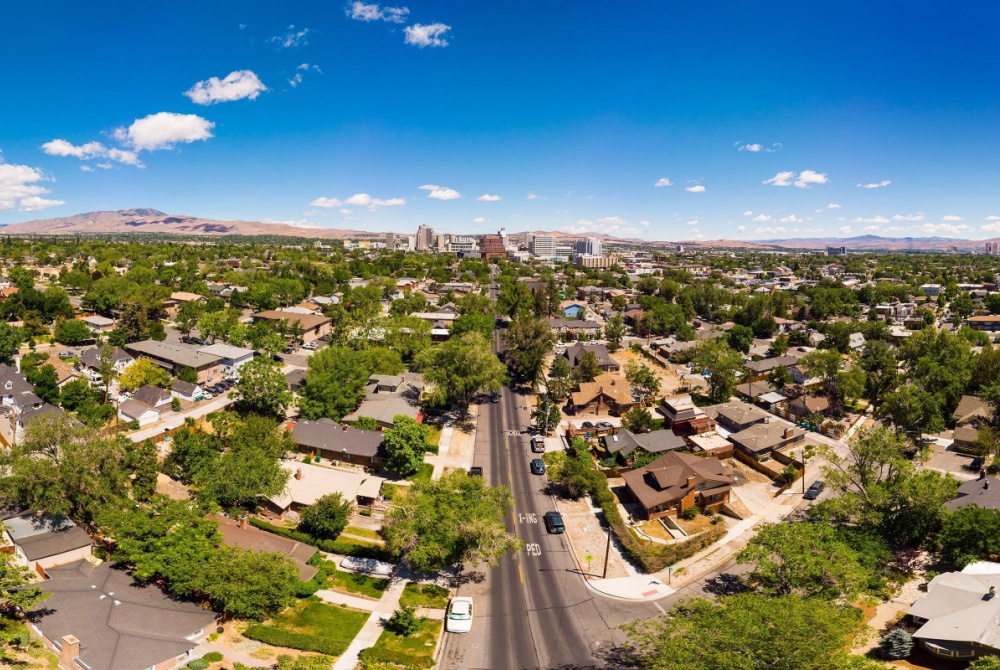
New construction is supposed to be the release valve when a housing market runs low on supply. Build more homes, ease the shortage, and take some pressure off prices. In Northern Nevada, that mechanism is largely failing, not because of a lack of demand or a shortage of willing builders, but because of the approval process itself.
Beau Keenan, President and Broker at Dickson Realty, an independent brokerage with 12 offices and roughly 350 agents across Northern Nevada and Northern California, works both sides of this problem. He runs one of the region’s largest residential brokerages. He is also a developer, giving him a ground-level view of what it takes to move a project from concept to closing. His assessment is blunt: the process takes too long and is actively discouraging builders from doing more work here.
A Market That Cannot Self-Correct
That matters directly to buyers right now. The Reno-Sparks metro hit a record median home price of $635,000 in recent months, according to Keenan’s market observations. The region bumped against the $615,000 level four separate times over the past three and a half years without breaking through, until now. Inventory remains tight despite that price signal, because the normal market response, build more, is being slowed by regulatory friction at the local level.
Keenan estimates that new home sales account for roughly 10 percent of annual transactions in Washoe County, which includes Reno and Sparks. He believes that figure would need to reach 20 to 30 percent to improve affordability meaningfully. The gap between where construction is and where it needs to be is not a function of builder appetite, it is a function of how long it takes to get a project approved. “I’m hearing from builders, and I’m also a developer myself, that it just is painful and it takes too long,” he says.
Why Builders Are Taking Their Capital Elsewhere
The cost side compounds the problem. Building in Northern Nevada ranks among the most expensive in the country, according to Keenan, with labor and material costs near the top of a 50-state comparison. When a builder weighs a Northern Nevada project against an alternative in a lower-cost market with faster approvals, the math often favors going elsewhere. The same capital, deployed in a different state, can be in the ground and generating returns months sooner.
Slow permitting and high construction costs squeeze new home supply across the West. Still, the consequences are sharper in Northern Nevada because the resale market is simultaneously constrained by rate lock-in. Homeowners who refinanced at 3 percent are not eager to sell and take on a new mortgage at current rates. That dynamic has kept existing home inventory low for three and a half years, even as prices have held firm. New construction was supposed to compensate for that shortfall. It has not, at the scale needed.
For buyers, this supply picture has a practical implication beyond the current price level. When new construction cannot scale to meet demand, price relief has to come from somewhere else, either a drop in demand, a rise in rates that pushes buyers out of the market, or sellers becoming more willing to negotiate. None of those scenarios is particularly appealing for someone trying to buy a home. The more likely outcome, based on Keenan’s read of the market, is that prices hold or continue to edge upward as long as the employment base stays strong and California migration continues.
The One Opening in a Constrained Market
There is one area where the construction constraint creates a potential opening, though it requires a specific kind of buyer. Keenan points to fix-and-flip opportunities as one of the few remaining ways to find value in the Northern Nevada market. Homes that need significant work are not competing well with move-in ready listings, and sellers of those properties are sometimes more negotiable on price. A buyer or investor with the skills, connections, and cash reserves to renovate can potentially acquire at a discount and sell into a market that rewards finished product. The caveat is real: this approach demands time, expertise, and capital beyond the purchase price, resources most first-time buyers lack.
What the construction bottleneck ultimately means for Northern Nevada is that the supply problem is not self-correcting at the pace the market needs. Regulatory reform that shortens the approval timeline would do more to improve affordability here than almost any other single policy change, faster than rate cuts and more durable than demand-side incentives. Until that changes, buyers face a market where prices are set less by what homes are worth and more by how few of them exist.
About the Expert: Beau Keenan is President and Broker at Dickson Realty, an independent brokerage with 12 offices and roughly 350 agents across Northern Nevada and Northern California. As both a brokerage leader and active developer, he brings direct experience on both sides of the region’s housing supply challenges.
This article is intended for informational purposes only and does not constitute legal, financial, or investment advice. The views and opinions expressed herein reflect those of the individuals quoted and do not represent an endorsement of any company, product, or service mentioned. Readers should conduct their own due diligence and consult qualified professionals before making any investment decisions.
Similar Articles
Explore similar articles from Our Team of Experts.