
Walk into an open house on the Jersey Shore barrier island right now, and you might be surprised by what you find: other buyers, eager offers, and homes that go under contract before youR...

The US-Canada Tension Is Quietly Hurting One Upstate New York Housing Market

Written by:
Date:
17 Jun 2026
Share via Facebook

Share via Linkedin

Share via X

Copy to clipboard

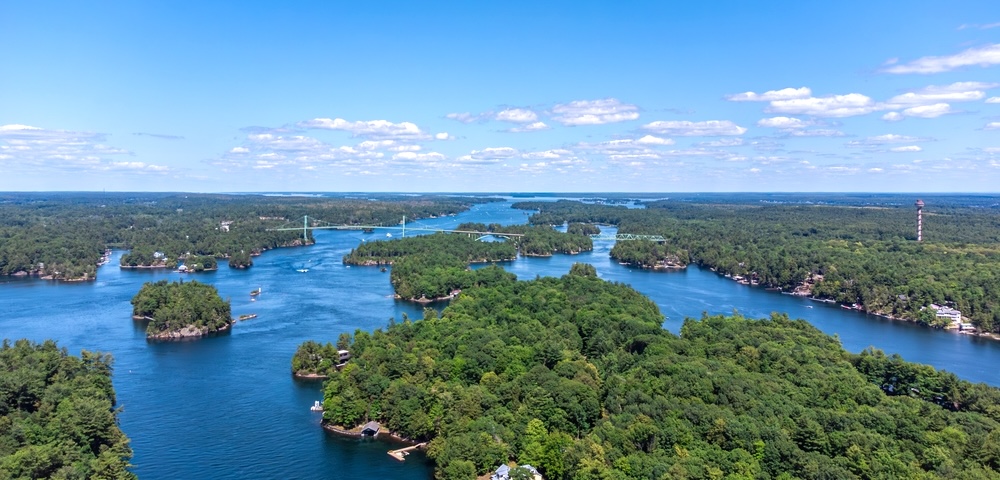
When people think about how US-Canada relations affect everyday life, real estate rarely comes to mind. But in the 1000 Islands region of upstate New York, where the international border runs through the St. Lawrence River just minutes from some neighborhoods, the cooling relationship between the two countries is showing up in property transactions, tourism revenue, and the local economy in ways that have real consequences for anyone buying or selling in the area.
A Border Market
Agents who work this market closely have been watching the pullback for several years now. The pattern is not dramatic, but it is consistent: Canadian buyers and visitors who once crossed the border regularly have stepped back, and the economic ripple reaches further than most outsiders would expect.
Shondra Beach, a licensed real estate salesperson with Bridgeview Real Estate in Watertown, New York, is unusually positioned to observe this dynamic. She is Canadian by birth, moved to the region in 2012, and lives year-round on an island in the St. Lawrence River, roughly five minutes from the international border. She commuted to Kingston, Ontario, for nine years while living on the New York side and became a US citizen last year. Few people in the market have watched the US-Canada relationship from both sides of it as closely as she has.
Beach says that Canadian buyers, who were once a meaningful part of the regional real estate market, have become rare. “A lot of Canadians aren’t coming over as much as they used to,” she said, describing the current situation as a sharp contrast to what the area looked like before the political tensions of recent years took hold.
How the Border Closure Left an Impression
The pandemic set an early precedent that still shapes how Canadian property owners think about cross-border purchases. When the border closed during COVID-19, Canadians who owned property on the New York side of the river could not reach their own homes. Beach knows this firsthand through friends who own on Wellesley Island and were locked out during the closure. For a buyer considering a vacation property or seasonal home in the 1000 Islands, that memory is not abstract: it is a concrete demonstration of the risk that comes with owning real estate in a foreign country when the border between the two can close without warning.
The decline in tourism compounds the real estate effect. The 1000 Islands region draws significant visitor traffic from Canada in normal years, and that traffic supports local businesses, restaurants, and the seasonal economy that makes the area attractive to buyers in the first place. A ferry service operating out of Cape Vincent that carries passengers to Wolf Island in Canada and onward to Kingston has been disrupted in recent years. Beach hopes it resumes, because she sees the ferry as a practical connector between the two communities, not just a tourist attraction.
A Smaller Buyer Pool
For buyers and sellers in the 1000 Islands market, the reduced Canadian presence creates a specific imbalance. Waterfront and seasonal properties that might otherwise attract interest from across the border are now drawing from a smaller geographic pool. That does not mean demand has collapsed: Beach says the market has remained resilient. Fort Drum’s steady rotation of military personnel provides a reliable base of buyers and sellers that does not depend on cross-border activity. But the Canadian buyer segment that once added competition to waterfront listings is largely absent, and that absence affects pricing dynamics in the seasonal and vacation home category.
What Sellers Should Adjust
Sellers of waterfront and seasonal properties in the 1000 Islands should understand that the buyer pool they are marketing to is currently more domestic than it has been historically. Pricing and marketing strategies that assume a cross-border audience may be working from an outdated assumption. The buyers are still out there, but they are coming primarily from cities like Syracuse and other points south and west, not from Kingston or Ottawa.
Whether the US-Canada relationship will stabilize enough to bring Canadian buyers back in meaningful numbers remains genuinely uncertain. What is certain is that the 1000 Islands market has operated for decades with Canada as a neighbor, a trading partner, and a source of buyers and tourists, and the current friction between the two countries is costing the region something measurable, even if no single transaction shows it clearly. For sellers, that means adjusting expectations and targeting strategies accordingly. For buyers, it may mean less competition on waterfront listings that historically attracted cross-border interest.
About the Expert: Shondra Beach is a licensed real estate salesperson with Bridgeview Real Estate in Watertown, New York, specializing in the 1000 Islands region. A Canadian-born US citizen who lives year-round on an island in the St. Lawrence River, she brings rare firsthand perspective to one of the country’s most distinctive border markets.
This article is intended for informational purposes only and does not constitute legal, financial, or investment advice. The views and opinions expressed herein reflect those of the individuals quoted and do not represent an endorsement of any company, product, or service mentioned. Readers should conduct their own due diligence and consult qualified professionals before making any investment decisions.
Similar Articles
Explore similar articles from Our Team of Experts.