

Some real estate transactions are straightforward. Many are not. For Jon Lester, Head of Growth and Operations at Home Buyer Mississippi, the complicated ones are often the most meaningful. ...

What It Actually Costs to Invest in a Boutique Hotel (And What Most First-Timers Get Wrong)

Written by:
Date:
14 May 2026
Share via Facebook

Share via Linkedin

Share via X

Copy to clipboard

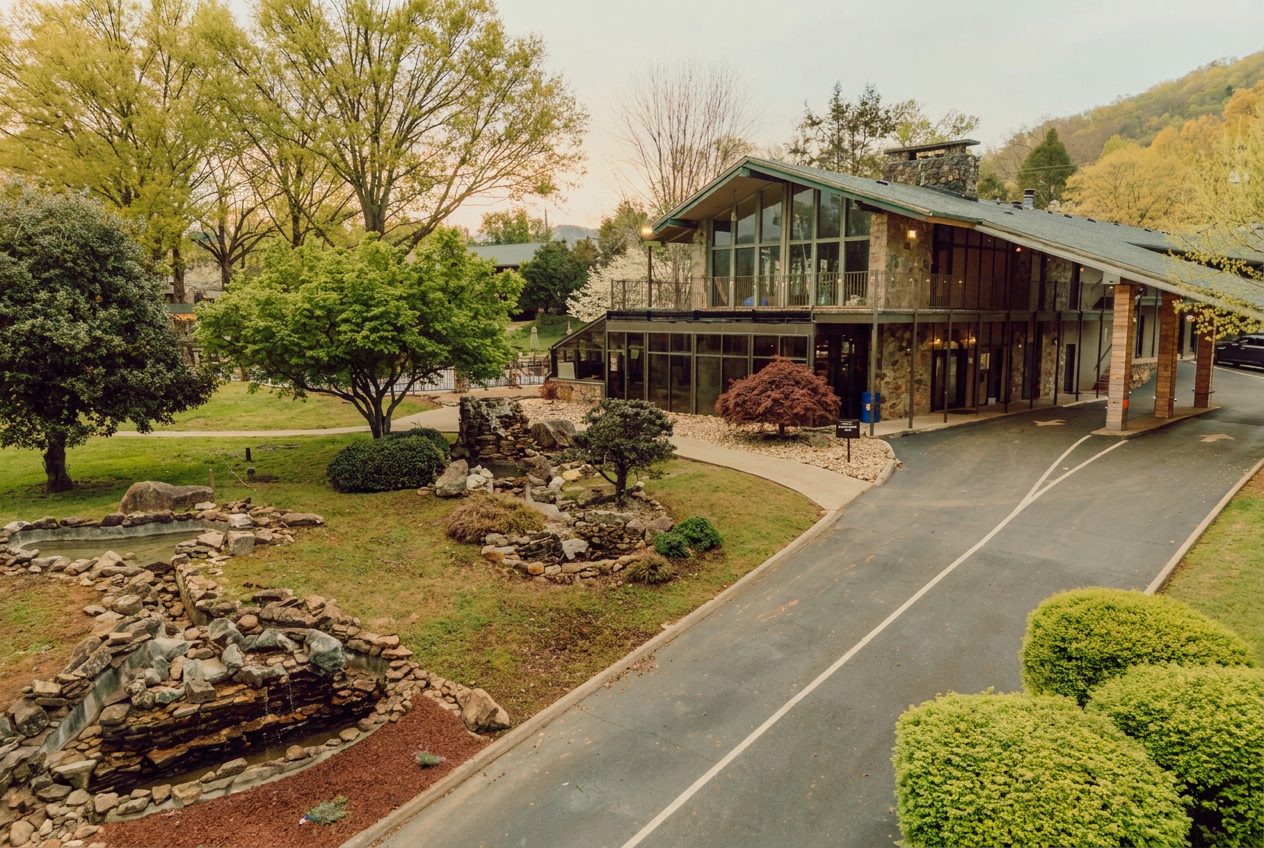
Boutique hotels feel like an asset class reserved for the ultra-wealthy. You walk through a beautifully renovated 20-room property in the mountains, and it’s hard not to think: who owns this place, and how did they get here? For most people, the assumption is that it takes millions to get in the door. That assumption is usually wrong.
Blake Dailey, Founder and CEO of StayVest, a boutique hotel investment and operations firm, has spent years breaking down exactly how capital flows into these deals. The picture looks quite different from what most investors expect.
The Accessibility Problem Nobody Talks About
One of the most persistent misconceptions in hospitality investing is that the purchase price and the required investment are the same number. They are not. A $3 million boutique hotel acquisition does not require $3 million in personal capital. What it actually requires, particularly when structured through an SBA or USDA loan, is somewhere in the range of 20 percent down. On a $3 million purchase, that’s $600,000. Add in closing costs and renovation reserves, and a realistic total might land around $1 million. Still a significant number, but an entirely different conversation.
The government-backed loan programs that apply here, SBA 7(a) and USDA Business and Industry loans, both offer up to 80 percent loan-to-value on hospitality assets. Critically, they will lend based on what the property can produce after improvements, not what it is generating today. For buyers targeting underperforming properties with clear value-add opportunity, that distinction is significant. The appraiser validates the projections, but the bank is financing the vision, not just the present reality.
How Syndication Changes the Math
Even the $1 million figure becomes more manageable when the deal is structured as a syndication. In a syndication, a sponsor, the operator who finds, underwrites, and manages the deal, pools capital from a group of limited partners who invest passively. They are not managing housekeeping schedules or fielding guest complaints. They own a share of the underlying asset, receive cash flow distributions, and benefit from the property’s appreciation over time.
The minimum investment threshold for entering a syndicated boutique hotel deal often falls in the range of $50,000 to $100,000. That brings the investor count down to something that feels realistic. Ten investors each contributing $100,000 covers the equity requirement on a $3 million deal. The people with that kind of capital are more common than most realize. They sit in professional networks, in real estate groups, in high-income circles that are actively looking for alternatives to market volatility.
What makes the structure work for passive investors is also what often draws them to real estate in general: the asset is real, the cash flow is monthly, and the tax treatment is favorable. Section 469 of the tax code allows paper losses, primarily depreciation, to offset passive income for limited partners, reducing their tax burden on other passive investments while their capital is at work.
What First-Time Investors Consistently Underestimate
The most common mistake is treating the down payment as the total cost. Between the initial equity, closing costs, and renovation capital, the realistic entry number is typically 25 to 35 percent of the purchase price. Buyers who budget only for the down payment often find themselves undercapitalized midway through a renovation, which is one of the highest-risk moments in a hospitality deal.
The second underestimation is time. Hospitality assets do not stabilize the moment the ribbon is cut. Lenders and appraisers want 12 to 24 months of proven financials before they will refinance at the improved value. An investor expecting immediate returns on a value-add hotel should expect a different timeline, and any operator who doesn’t communicate that clearly upfront is doing their capital partners a disservice.
A third area where first-timers often miscalculate is renovation scope. Hotel renovations are not the same as residential flips. The operational requirements, permitting landscape, and scope of what it takes to reposition a property into a boutique experience are more complex. Operators who have done it before carry institutional knowledge that isn’t easily replicated on a first deal.
The Role of Seller Financing
One option that does not get enough attention in hospitality acquisitions is seller financing, sometimes called a seller carryback. In cases where the seller holds their equity rather than taking full cash at closing, the buyer can reduce the amount of outside capital required. The seller, in effect, becomes the bank. This can allow buyers to structure deals with less equity in the initial round, which improves returns for everyone when the property performs.
Creative capital stacking, combining a primary SBA loan, LP equity, and seller financing, is not uncommon in the boutique hotel space. It requires operators who understand both the financing side and the relationships involved. But for buyers who are serious about the asset class, it is worth understanding as a lever.
Why the People Matter as Much as the Property
For anyone considering a passive investment in a boutique hotel deal, the due diligence process should include a hard look at the operator. The real estate itself, the market, the projected returns, all of it flows through the decisions made on the ground by the team managing the asset. Track record, transparency, and a clear philosophy around risk matter at least as much as the pro forma.
The best operators will be the ones who underwrite conservatively, communicate risk before it becomes a problem, and structure the deal so that investor capital is returned rather than indefinitely locked up. A refinance at stabilization that returns 60 to 100 percent of LP capital by year three is achievable with a well-run property. That outcome requires an operator who was running the numbers honestly from day one.
Blake Dailey is the Founder and CEO of StayVest, a boutique hotel investment and operations firm. He is the founder of Boutique Hotel Con and Hotel Launch, educational communities for boutique hospitality operators.
This article is intended for informational purposes only and does not constitute legal, financial, or investment advice. The views and opinions expressed herein reflect those of the individuals quoted and do not represent an endorsement of any company, product, or service mentioned. Readers should conduct their own due diligence and consult qualified professionals before making any investment decisions.
Disclosure: Individuals or companies mentioned may have a commercial relationship with KeyCrew.
Similar Articles
Explore similar articles from Our Team of Experts.