


Expert-Sourced Real Estate Reporting, Published and Amplified
KeyCrew is a real estate media company built on expert voices. We turn first-person interviews with the people who move real estate into original reporting, publish it across our brands, and license it to leading publications and platforms.
As Seen In









How KeyCrew Works
Every story follows the same path, from a first-person interview to original reporting that we publish and distribute.
Expert-Sourced
Every story starts with a first-person interview with the agents, brokers, developers, and operators who shape local markets.
Editorially Reviewed
Interviews become original reporting through a structured editorial process, with multiple rounds of review by editors experienced at leading national and international publications.
Published and Distributed
We publish across our owned brands and license the same coverage to publications and platforms, delivered ready to run.
4500+
Expert Sources
700+
Local Markets
50
States Covered
400+
Stories This Month
Our Owned and Operated Brands
We publish across a network of specialized media brands, each serving a distinct real estate audience, all held to the same reporting and review standard.

KeyCrew Journal
Our flagship publication for real estate trends, data, and expert market insight.

KeyCrew Homes
The essential guide for today's residential buyer and seller, covering markets, financing, and living well.

Leading Estates of the World
The original luxury real estate brand since 1969, operated by KeyCrew through an exclusive partnership.

NextAsset News
Real estate through an investor's lens, from proptech to emerging asset classes.

House & Hemisphere
Design, architecture, and international living for a global property audience.

Real Estate Radar Florida
On-the-ground coverage of Florida's fast-moving residential and coastal markets.

Property Innovation Journal
The technology, design, and ideas reshaping how property is built and managed.

Attainable Housing Digest
Affordability, development, and policy across the attainable-housing market.
Distributed Across Leading Publications,
Indexed and Cited in AI
KeyCrew reporting is syndicated and licensed to news outlets and platforms, and structured so it stays visible where audiences look now, from search to AI answers.
















Expert Intelligence Sources
Insider perspective from thousands of Verified Experts. Each one has been personally interviewed and vetted by KeyCrew.






























Contribute Insights to Our Articles
Our market coverage is sourced from hundreds of monthly interview calls with market leaders across real estate sectors. Do you have insights to contribute? Let’s connect.

Our Editorial Team Writes 1-2 Articles Featuring Your Insights

We Publish and Distribute Your Insights

When a housing project costs $500,000 per unit, it looks like waste – unless half that money goes into building roads, water lines, and power infrastructure that most American communities already have. That distinction is at the heart of a funding dispute in southern Arizona, where the state denied a tribal housing authority’s tax credit ...

Sourcing materials for a $50 million construction project typically takes two to three months. For billion-dollar developments, that timeline stretches to six months. Architects must specify thousands of individual products, from facade panels to door handles, then email dozens or hundreds of suppliers, compare specifications manually, and negotiate pricing through email chains, PDF spec sheets, ...

People still move to Florida expecting a bargain. No state income tax, warm weather, reasonable home prices – that was the pitch for decades. But buyers relocating to Tampa Bay in 2026 are discovering a cost structure that the listing price doesn’t reveal: insurance premiums driven up by hurricane risk, property taxes that run higher ...
Featured Articles
Spotlight on the most compelling stories, interviews, and analysis from across our media network.

Manhattan relocators and first-time buyers are closing on properties in Queens and neighboring boroughs at prices that contradict the assumption that homeownership in New York City is out of reach. That’s true, but only when buyers look past the city’s most expensive zip codes. Most people outside New York City assume buying a home there ...

Homes in Philadelphia are taking longer to sell even though housing supply remains limited. The problem isn’t a supply glut. It’s a deepening mismatch between what buyers can afford and what sellers are asking. According to Alona Richardson, a Realtor at OCF Realty LLC, the disconnect is sharpest in the middle of the market, where ...
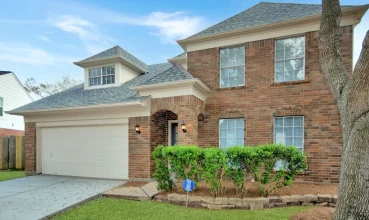
Military relocation buyers are moving steadily into the Katy and western Houston suburbs, and most agents on both sides of these transactions are underprepared for what that means, according to Niky Barker, Team Leader & REALTOR at Barker Group, Keller Williams Signature. The financing mechanics are specialized, the timelines are compressed, and the stakes for ...
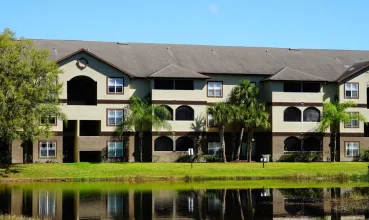
While luxury condos and Class A multifamily properties dominate Miami’s real estate headlines, a different investment strategy is generating stronger returns for investors in the region. Lawrence Resnick is a Realtor at The Paz Group who focuses on commercial and multifamily transactions across Miami-Dade and Broward County. He says the properties producing the best yields ...

For a $50 million construction project, procuring materials typically takes two to three months. For projects in the $1 billion to $2 billion range, procurement alone can consume half a year. In most industries, a supply chain bottleneck of that duration would be treated as a crisis. In construction, it is treated as normal. The ...

When investors evaluate an industrial property, they typically see one rent figure attached to one building. The yard – the paved or unpaved land surrounding that building – gets bundled into the deal as though it were incidental. At firms specializing in industrial outdoor storage, analysts argue this is a mispricing. The land itself generates ...

National headlines suggest property insurance is collapsing everywhere. Coverage is shrinking, premiums are skyrocketing, and owners are getting squeezed. According to Andrew Kowalske, Chief Product Officer at Blitz Insurance, the picture is more specific. Most markets are moving in a direction that favors property owners right now. Kowalske’s perspective comes from the excess and surplus ...
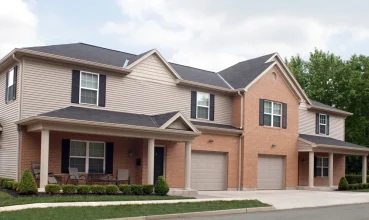
Investors who purchased Cleveland apartment buildings in 2021 or 2022 with 3% mortgages and top-of-market pricing now face a sale price gap they cannot close. Mortgage rates sit in the six-and-a-half-percent range, which means buyers today need higher cap rates to make the numbers work, and higher cap rates mean lower prices. Owners who stretched ...

When a city converts office buildings into housing, the headline usually celebrates new apartments. What gets less attention is what happens to the businesses that now have fewer places to lease. In Manhattan, residential conversions have removed enough supply to shift the power balance between landlords and tenants, and the effect is accelerating, according to ...

