


Senior housing is entering a period of acute supply pressure as a five-year construction pause meets a surge in demand from aging baby boomers. Andie Edmonds, Senior Vice President at Collie...

New Construction Is Entering Monmouth County, But It Is Not Solving the Inventory Shortage

Written by:
Date:
13 May 2026
Share via Facebook

Share via Linkedin

Share via X

Copy to clipboard

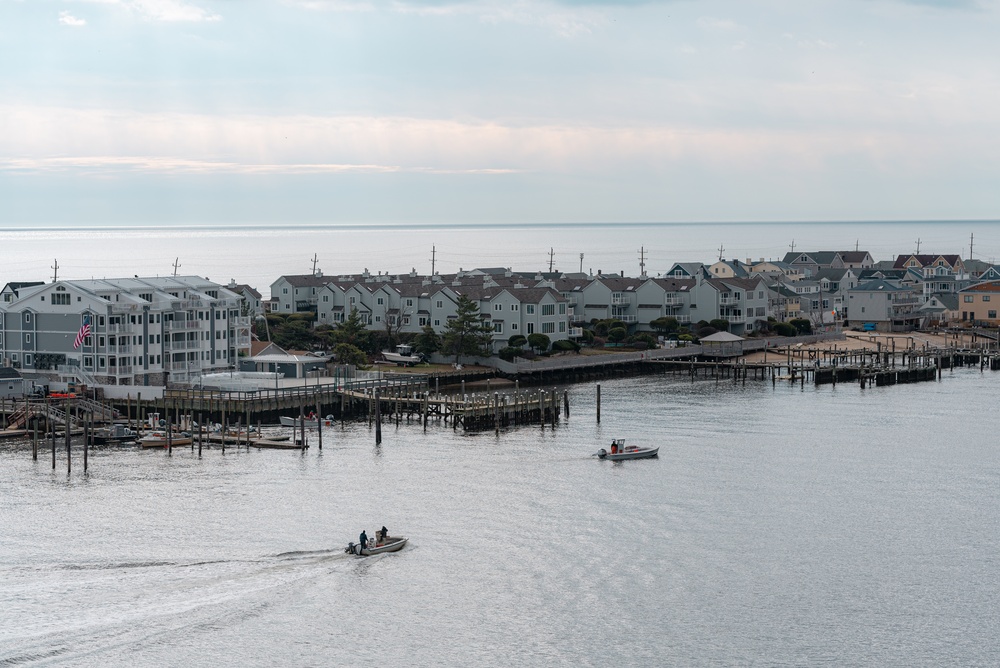
New homes are going up across Monmouth County, New Jersey, but they are not putting a dent in the area’s persistent housing shortage. Kyle Golden, a Realtor at CENTURY 21 Thomson & Co., says the county’s supply problem is not a temporary market cycle but a permanent land constraint that new construction cannot meaningfully overcome, a distinction that matters for buyers, investors, and anyone tracking long-term pricing in coastal New Jersey.
Development Is Happening
Golden is direct about the limitations of current building activity. “There’s not enough new construction, that’s the problem,” he says. “There’s still a shortage in inventory even with the new construction going on.”
The gap between development activity and actual inventory relief reflects a mismatch between the pace at which new units can be delivered and the rate at which demand absorbs available supply. In Monmouth County, that demand is driven by an unusually concentrated set of factors: ferry access to Manhattan, proximity to Philadelphia, strong school systems, and a coastal lifestyle that attracts high-net-worth households willing to pay a premium.
Golden describes the county as “the epicenter of a lot of great communities and high-powered individuals that have a lot of money to spend.” When that level of demand meets a market with limited developable land, new construction provides only incremental relief.
The Land Constraint That Development Cannot Solve
The core issue is geographic. The desirable areas within Monmouth County, those close to the beach, with strong school systems, and within commuting distance of New York, are largely built out. The land that remains available for development is either in less desirable locations, subject to environmental restrictions, or priced in ways that make affordable development economically unviable.
“There’s just not enough land, that’s the problem,” Golden says. “A lot of people want to be in a certain area, and obviously, there’s only so many houses, apartments, and townhouses in that area.”
This is not a regulatory or financing problem that policy changes or capital deployment can easily address. Golden’s view is that inventory scarcity in the county’s most sought-after submarkets may be a permanent feature rather than a temporary condition. “The more people that want to come, the fewer opportunities there are with availability,” he says.
For buyers and investors accustomed to thinking of tight inventory as a cyclical problem that supply will eventually correct, this framing suggests a different calculus, one where scarcity is structural and long-term appreciation potential is correspondingly elevated.
Where New Construction Is Creating Opportunity
While new buildings in established areas are quickly absorbed without changing competitive dynamics, one pocket of the county tells a different story. Keansburg, which Golden describes as “very up-and-coming,” is attracting developers and offering price points that remain accessible relative to the broader county market.
“The prices are still very affordable, and there’s so much new construction and so many different developers going in there,” Golden says. “I think that’s the best opportunity for a good deal where you get a lot of appreciation.”
For investors willing to accept some early-stage risk, Keansburg may represent one of the few remaining entry points in a county where most desirable areas have already priced out a significant share of potential buyers. The opportunity exists precisely because demand has not yet caught up, but Golden suggests it will, as the same land constraints that define the rest of the county eventually reassert themselves.
What This Means Going Forward
As coastal New Jersey continues to attract demand from high-net-worth buyers leaving or diversifying away from Manhattan, the question is whether any supply response can keep pace with that inflow. Golden’s assessment suggests it cannot, at least not in the areas where demand is strongest. The county’s most desirable submarkets are likely to remain undersupplied for the foreseeable future, with new construction serving as a pressure valve rather than a solution. For buyers, that means continued competition and rising prices in established neighborhoods. For investors, the clearest opportunities may lie in places like Keansburg, areas early enough in their development arc to offer meaningful upside before the same constraints take hold.
About the Expert: Kyle Golden is a Realtor with CENTURY 21 Thomson & Co., covering Monmouth County, New Jersey.
This article is intended for informational purposes only and does not constitute legal, financial, or investment advice. The views and opinions expressed herein reflect those of the individuals quoted and do not represent an endorsement of any company, product, or service mentioned. Readers should conduct their own due diligence and consult qualified professionals before making any investment decisions.
Similar Articles
Explore similar articles from Our Team of Experts.

Perspectives, Real Estate Investment, Industry News, Residential Real Estate, Market Analysis & Policy
A notable migration trend is transforming Orlando’s luxury real estate market, with California buyers increasingly opting for Central Florida over established high-end destinations lik...


Perspectives, Residential Real Estate, Commercial Real Estate, Market Analysis & Policy, Industry News
A perfect storm of economic and regulatory challenges has created the worst environment for new construction in nearly 80 years, according to one prominent Chicago developer who sees alarmin...
Industry News, Residential Real Estate, Market Analysis & Policy, Real Estate Investment, Perspectives
The South Florida condominium market is experiencing a major crisis as maintenance fees soar, reshaping buyer behavior and property values. According to Arkadiy Abdurakhmanov of United Realt...

