
The Chicago real estate market attracts professionals from many backgrounds, but few combine performance skills and personal engagement like Sherry Watkins, Real Estate Broker Associate at B...

The Hidden Health Cost of How Homes Get Built

Written by:
Date:
15 May 2026
Share via Facebook

Share via Linkedin

Share via X

Copy to clipboard

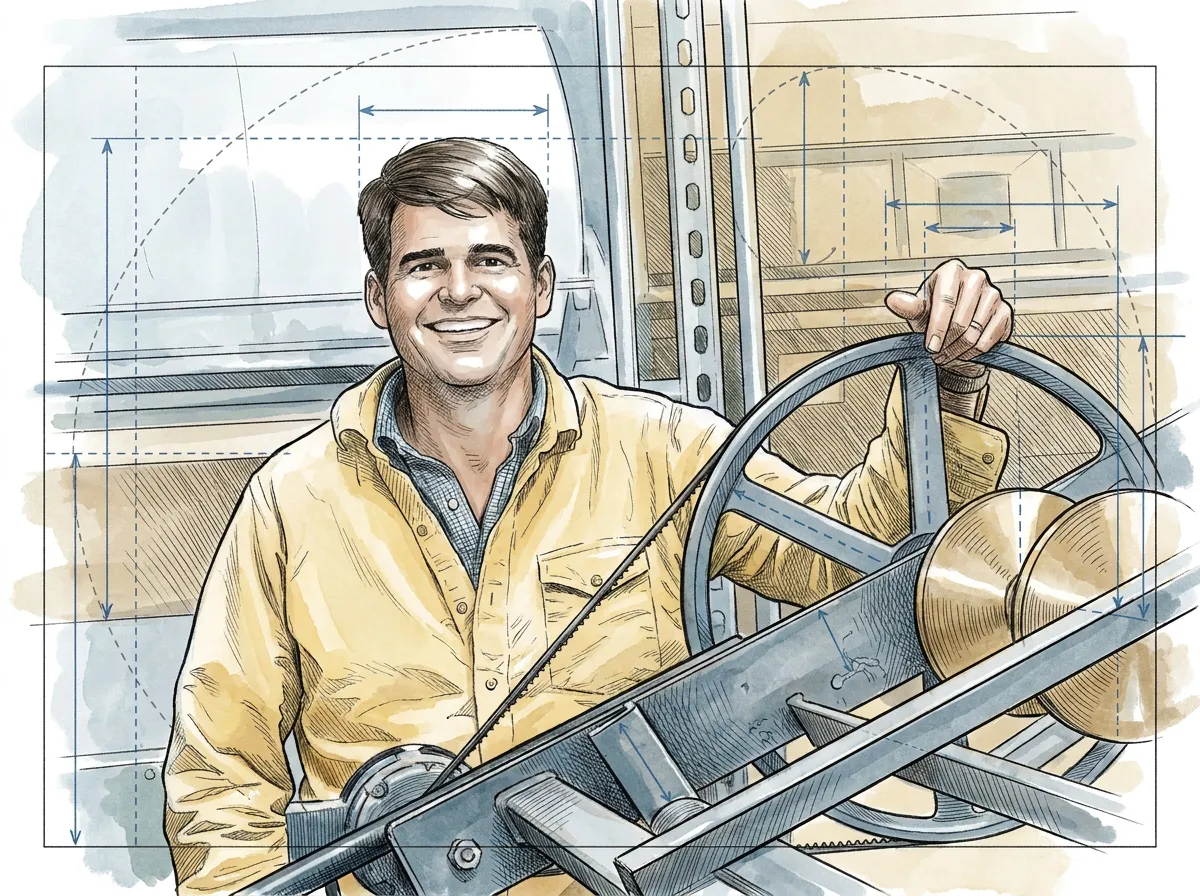
Most homeowners spend months choosing finishes, fixtures, and floor plans — and almost no time thinking about what goes inside their walls. That’s not an accident. It’s how the construction process is designed.
Andrew Legge, founder and CEO of Havelock Wool, has spent over a decade making the case that the materials standard to most builds carry real health consequences that homeowners rarely encounter until they’re already living with them. What’s changed recently isn’t the science. It’s that buyers are starting to ask.
What’s Actually in Your Walls
Most homeowners can name the brand of their appliances and the finish on their cabinets — but very few know what their insulation is made of, or what it releases into the air once the walls are closed. Standard insulation, composite wood panels, and common adhesives can contain chemicals that don’t disappear after installation. They release slowly, sometimes for years.
Once drywall goes up, those choices are sealed in. Unlike a paint color or a countertop, wall assemblies can’t be easily revisited. Whatever was chosen during construction becomes a permanent part of your indoor environment — and the air inside a tightly built modern home can be significantly worse than the air outside.
For some people, the effects are impossible to ignore. Families have had to build special ventilation systems, restrict how people move through the home, and rethink every material just to make a new house livable. These aren’t outlier cases. They’re an extreme version of a more common reality: persistent headaches, fatigue, and breathing issues that residents attribute to everything except the materials surrounding them.
Who Decides Your Air
By the time insulation comes up in a construction project, the decision is usually already made. Not by you — by the builder’s preferred installer, using whatever they’ve always used, sourced from whoever offers the best price. Insulation is a late-stage, unglamorous line item that rarely comes up in the early conversations where a homeowner has the most influence.
The people making these calls — architects, contractors, subcontractors — aren’t acting irresponsibly. They’re moving efficiently. Their job is to build on schedule and on budget, and the path of least resistance runs through whatever materials they already know. No one in that chain is motivated to stop and research the chemical makeup of a standard insulation product. That’s not their home.
This is a structural problem. The construction industry has competed heavily on price for decades, pushing manufacturers to cut costs in ways that quietly reduce the quality of what ends up inside your walls. Health has never been a required consideration in how most building materials are made or chosen. For most of the industry, it remains an afterthought.
The Cost of Defaulting
Choosing nothing is still a choice. Homeowners who don’t engage with material decisions before construction begins aren’t opting out — they’re handing the decision off to people whose priorities don’t necessarily match theirs. Going back to fix those decisions after the fact is expensive. Living with them can cost more.
When budgets tighten, the line items without an obvious visual payoff — insulation, ventilation, air sealing — are the first to get cut or swapped for cheaper alternatives. The result is homes that look expensive and perform poorly where it’s hardest to see.
The wide gap in construction costs between regions — the same caliber of home costing dramatically more in one state than another — suggests that materials alone don’t explain what homeowners pay. Where competition among builders is limited, prices stay high and the pressure to offer better options stays low. The buyer absorbs the difference, in more ways than one.
How to Push Back
The window to influence material decisions is early and narrow. Before plans are finalized, before a contractor is locked in, before construction begins — that’s when a homeowner has real leverage. Asking specific questions at that stage isn’t being difficult. It’s being an informed client. What insulation are you planning to use? What is it made of? Does the manufacturer provide safety information about what it releases into the air?
Searching online for terms like “healthy insulation” or “low-chemical building materials” can surface a growing range of manufacturers and independent product certifications that verify what’s actually in a material. This market has grown considerably over the last decade and is more accessible than most people realize — better options don’t require a custom build or an unlimited budget. They require knowing what to ask before someone else decides for you.
No one in the construction process is responsible for your health except you. Architects are responsible for design. Builders are responsible for execution. Installers are responsible for their scope of work. The person whose home — and long-term health — is at stake is the one who has to make health a priority, out loud, in writing, and early enough to matter.
About the Expert: Andrew Legge is the founder and CEO of Havelock Wool, a Nevada-based manufacturer of wool-based insulation, acoustic panels, and air filtration products for the construction industry. He has been leading the company for over a decade.
This article is based on information provided by the expert source cited above. It is intended for general informational purposes only and does not constitute legal, financial, or real estate advice. Readers should conduct their own research and consult qualified professionals before making any real estate or financial decisions.
Similar Articles
Explore similar articles from Our Team of Experts.