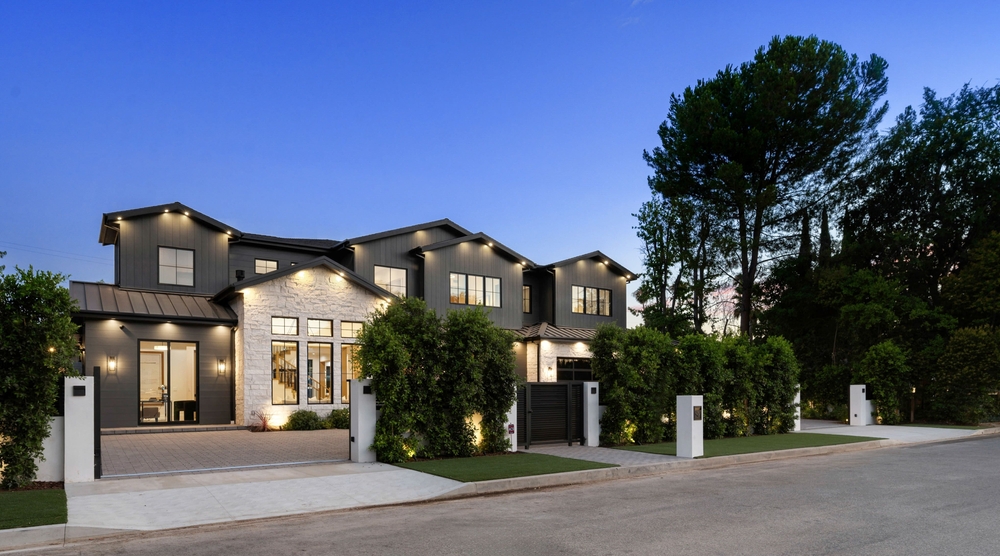
Dallas luxury home sellers are missing out on significant profits by refusing to prepare their homes for sale, according to Nicole Foster, Realtor at Ebby Halliday Realtors. Foster reports that properties left untouched, without updates, staging, or repairs, often sit unsold. Similar homes that invest in presentation command higher prices and faster sales.
In one recent case, Foster advised a seller whose home had been valued at $800,000 by other agents. After reviewing comparable sales, Foster agreed with the valuation for the home in its current state but recommended targeted updates. The seller invested about $30,000 in paint, tile, and staging. The home sold for just over $1 million in 42 days, netting the seller roughly $170,000 more than the original projection.
Foster says many sellers are still anchored to the pandemic-era market, when homes routinely sold well above asking price with little preparation. “Three or four years ago, it was not uncommon to hear a house going $50,000 or $100,000 over asking. A lot of sellers still think we’re in that market,” she says.
Why Preparation Drives Sales
Today’s Dallas buyers, especially in the $700,000 to $2 million range, are far more selective than those during the 2021–2022 boom. Foster explains that rising costs for goods and services, driven in part by tariffs, have made buyers less willing to take on deferred maintenance or cosmetic projects after closing. “Because goods and services are so expensive, that house has to be perfect, or as close to perfect as can be,” she says. Buyers are quick to walk away from homes with outdated systems or bold, personalized décor, knowing that post-closing updates will be costly and inconvenient.
This shift in buyer expectations has changed the calculus for sellers. Foster notes that the most common reason Dallas homes fail to sell quickly is not high interest rates, but the seller’s refusal to price and prepare homes realistically. Sellers who ignore agent recommendations, insist on inflated prices, or refuse to make necessary updates often watch their listings languish.
Foster describes a client who insisted on listing well above her recommended price. The home sat on the market and failed to attract offers. It was relisted a year later, by a different agent, at the original suggested price. By then, the market had changed, and the property was likely underpriced, costing the seller both time and money.
Personalization Hurts Sale Price
One of the most difficult conversations Foster has with sellers involves depersonalizing the home. Dated finishes, family photos, and bold paint choices can all deter buyers. Foster’s rule is simple: if the home still looks like the seller’s personal space when it hits the market, it will likely remain unsold.
“Nobody wants to buy your stuff,” Foster says. She routinely conducts pre-listing walkthroughs weeks before going live, creating a detailed checklist of repairs, updates, and staging needs. If sellers struggle to complete the work, Foster offers access to her own contractors, professionals she has worked with for over a decade, to ensure quality and timeliness.
Homes lived in for five to ten years without maintenance or updates are often the hardest to sell. These properties typically have dated appliances, worn finishes, and highly personalized décor that does not appeal to today’s buyers. “That style of home has been incredibly slow in the market,” Foster says. “People think they don’t have to do these updates or upgrades, but the truth is they probably really do.”
Listing Does Not Mean Selling
Foster distinguishes her approach as that of a “selling agent” rather than a “listing agent.” Her focus is on moving properties, not just putting them on the MLS. This means setting realistic expectations early, conducting thorough pre-listing assessments, and providing sellers with trusted resources to complete necessary updates. “I’m a selling agent. I sell your home. I don’t just want to list it,” she explains.
Foster’s data show that when sellers follow her recommendations and invest in preparation, returns are consistently positive. Updated, move-in ready homes sell faster and for more money, even as market conditions cool. Properties that require significant post-closing work tend to sit, forcing price reductions and longer timelines.
Sellers Still Expect Pandemic Prices
Foster attributes much of the current resistance among Dallas sellers to lingering memories of the pandemic boom. During that period, homes sold quickly regardless of condition, and sellers grew accustomed to minimal effort and maximum reward. The market has since changed. With higher borrowing costs and increased selectivity among buyers, homes that are not move-in ready face steeper challenges.
Inventory has increased, and homes that stand out through quality updates, neutral décor, and move-in readiness continue to attract strong interest. Foster emphasizes that the gap between seller expectations and market reality is widening. “The most common deal killer in the Dallas market is not interest rates, but seller refusal to price and condition properties appropriately,” she says. Sellers who adapt and present their homes in top condition secure faster sales and stronger returns; those who resist risk losing both time and money.
St. Joseph’s housing market is using a state incentive program to address local housing shortages and support development, according to Kelly Ewalt, Development Director for the city, St. ...
As real estate firms increasingly adopt digital communication tools, the industry faces a critical challenge in balancing technological innovation with client privacy, according to Vladislav...
In an era dominated by artificial intelligence and digital solutions, real estate educator Jessica Randolph, is making a compelling case for the irreplaceable value of local, human exp...
Waterfront property development in northern Michigan faces structural obstacles that keep inventory tight, according to Sander Scott, broker and owner of Net Real Estate. Shoreline in Leelan...
New homes are going up across Monmouth County, New Jersey, but they are not putting a dent in the area’s persistent housing shortage. Kyle Golden, a Realtor at CENTURY 21 Thomson &...
Small-bay industrial properties across Florida are showing elevated bad-debt levels, with some rent rolls reporting non-payment rates of 11-12%. According to Daniel Levin, Senior Associate a...