

While many investors remained skeptical of San Francisco’s recovery prospects throughout 2024, one multifamily investment firm was already positioning itself to capitalize on the marke...

Wildfire Insurance Is Stopping More Mountain Real Estate Deals Than Financing

Written by:
Date:
03 Apr 2026
Share via Facebook

Share via Linkedin

Share via X

Copy to clipboard

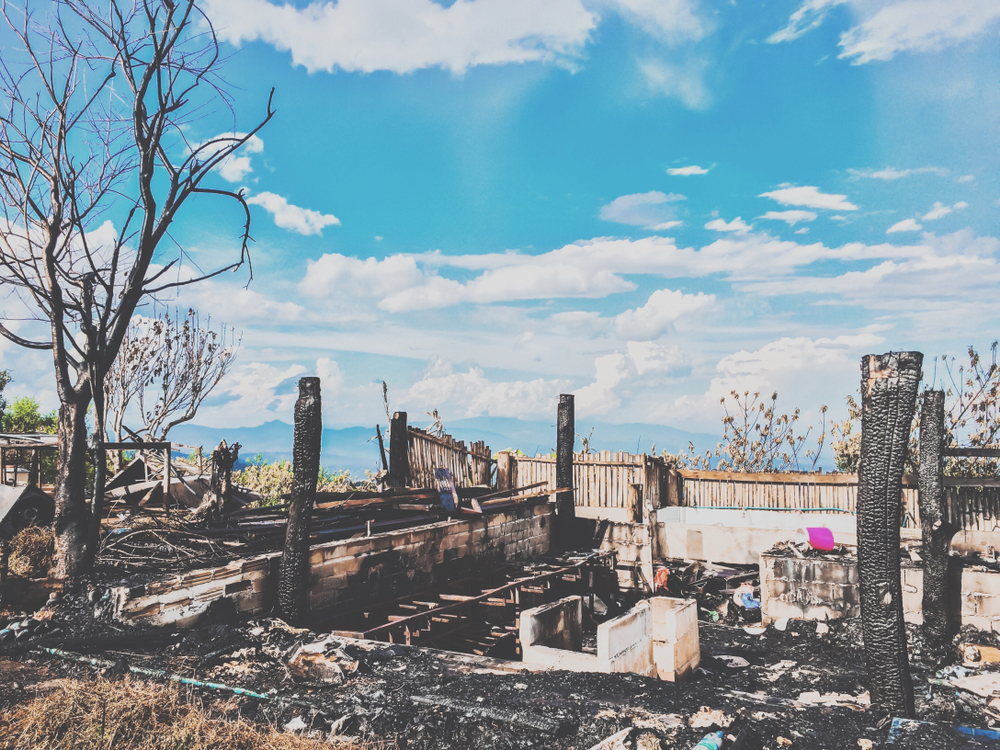
Insurance availability has become the main obstacle to closing mountain real estate transactions in Colorado, now outpacing financing and appraisal issues, according to Anne Skinner, team lead at The Skinner Team with Keller Williams Top of the Rockies. Properties located in wildland-urban interface zones often cannot secure insurance policies that meet lender requirements, and when coverage is available, rising costs are causing buyers to abandon deals.
Skinner reports that insurance problems are now the most common reason deals fall apart after going under contract in Summit County and surrounding mountain markets. Both single-family homes and condominium complexes are affected, though in different ways. For single-family homes, buyers frequently cannot find any policy at all. For condos, homeowners’ associations may secure coverage, but at a price that can double or triple HOA fees, making the purchase financially unworkable.
“When we do have deals fall apart under contract, it typically is going back to insurance,” Skinner says. She explains that fire risk is high in these areas, and many properties struggle to obtain insurance, whether they are individual homes or part of a condo complex. When coverage is available, it is often expensive and difficult to secure.
Lender Requirements Create Binary Outcomes
The core problem is that insurance policies must meet strict lender underwriting standards — not just any coverage will do. Lenders require specific levels of protection and certain policy structures. If an HOA cannot secure a policy that satisfies these requirements, the deal cannot close, regardless of the buyer’s willingness to proceed.
This creates an all-or-nothing scenario: either the property is insurable under terms lenders accept, or it is not. There is no middle ground. Buyers who have already completed inspections, negotiated repairs, and arranged financing may still be unable to close because insurance cannot be secured.
For condos, the challenge is even greater because buyers have no control over the HOA’s insurance decisions. Even if a buyer is willing to pay higher premiums, the deal collapses if the HOA cannot find a policy that meets lender guidelines. This is especially frustrating for buyers who have invested time and money in due diligence, only to discover late in the process that the insurance issue cannot be resolved.
“We’ve even seen situations where policies that do meet lender needs end up doubling or tripling HOA fees because the policy was so expensive,” Skinner notes.
Geographic Concentration of Risk
The insurance crisis is not spread evenly across all mountain markets. Properties at higher elevations, surrounded by dense forest, face the most difficulty. Summit County sits at 9,000 to 10,000 feet, with much of the area bordered by a national forest. This geography puts many homes in high-risk fire zones.
Skinner points out that the problem is worse in certain submarkets. Properties in unincorporated areas, where fire mitigation is less organized, have more trouble securing coverage than those in towns with active wildfire management programs. As a result, buyers are starting to avoid areas where insurance availability is uncertain.
The issue also indirectly affects property values. Even if a buyer can get insurance now, the prospect that future buyers may struggle to obtain it leads to hesitation. For investors, this resale risk is significant, especially for those planning to hold properties for only a few years.
Impact on Transaction Volume and Market Liquidity
The insurance problem is reducing the number of completed transactions in affected areas. Sellers are listing properties that cannot close, wasting time and marketing expenses. Buyers are walking away from deals after spending on inspections and appraisals. Agents are spending more time handling insurance issues than negotiating price or terms.
Skinner’s team has changed its approach by investigating insurance options early in the process. Before a buyer makes an offer, the team checks the property’s insurance status. For condos, this means contacting the HOA to confirm current coverage and premium costs. For single-family homes, it involves identifying potential insurers and confirming availability. This front-end work reduces late-stage deal failures, but it also adds time and complexity to every transaction.
Overall, market liquidity is declining. Properties that would have sold easily five years ago now linger on the market, not because of price or condition, but because of insurance uncertainty. This is especially true for older homes without modern fire mitigation features such as defensible space, fire-resistant roofing, or sprinkler systems.
The Skinner Team’s Approach to Insurance Challenges
The Skinner Team operates across Summit County, Vail, Beaver Creek, Winter Park, and nearby areas, serving mostly out-of-state buyers who are unfamiliar with local insurance hurdles. The team has developed expertise in identifying which properties are likely to face insurance problems and steering clients toward those with more reliable coverage options.
Skinner stresses that local knowledge is essential. Insurance availability can vary not only by region but by specific subdivision or even individual property. Agents who do not track these details risk wasting clients’ time and causing deals to fail.
As wildfire risk continues to influence mountain real estate markets, insurance availability is likely to remain a major constraint on transactions. Properties that can demonstrate reliable insurability will command a premium, while those that cannot may become effectively unsellable under conventional financing.
Looking Ahead: Insurance as a Defining Market Factor
For now, insurance has become the deciding factor in many Colorado mountain home sales. Buyers and sellers who ignore this reality risk costly surprises, while agents must invest more time in due diligence upfront. The market is rewarding properties that can prove insurability and punishing those that cannot, reshaping both prices and the pace of transactions.
As fire seasons lengthen and insurers pull back from high-risk areas, insurance will continue to influence which properties sell, how quickly deals close, and whether traditional financing remains an option for mountain buyers. Local expertise and early insurance vetting are no longer optional — they are essential tools for anyone navigating this market.
Similar Articles
Explore similar articles from Our Team of Experts.