
According to Linda Fleischer of Coldwell Banker Realty, insurance costs—not property values—now determine whether waterfront deals close in Tampa Bay The Tampa Bay residential market is ...

How Rising HOA Fees Are Squeezing Seniors in New Jersey's 55-Plus Communities

Written by:
Date:
13 Mar 2026
Share via Facebook

Share via Linkedin

Share via X

Copy to clipboard

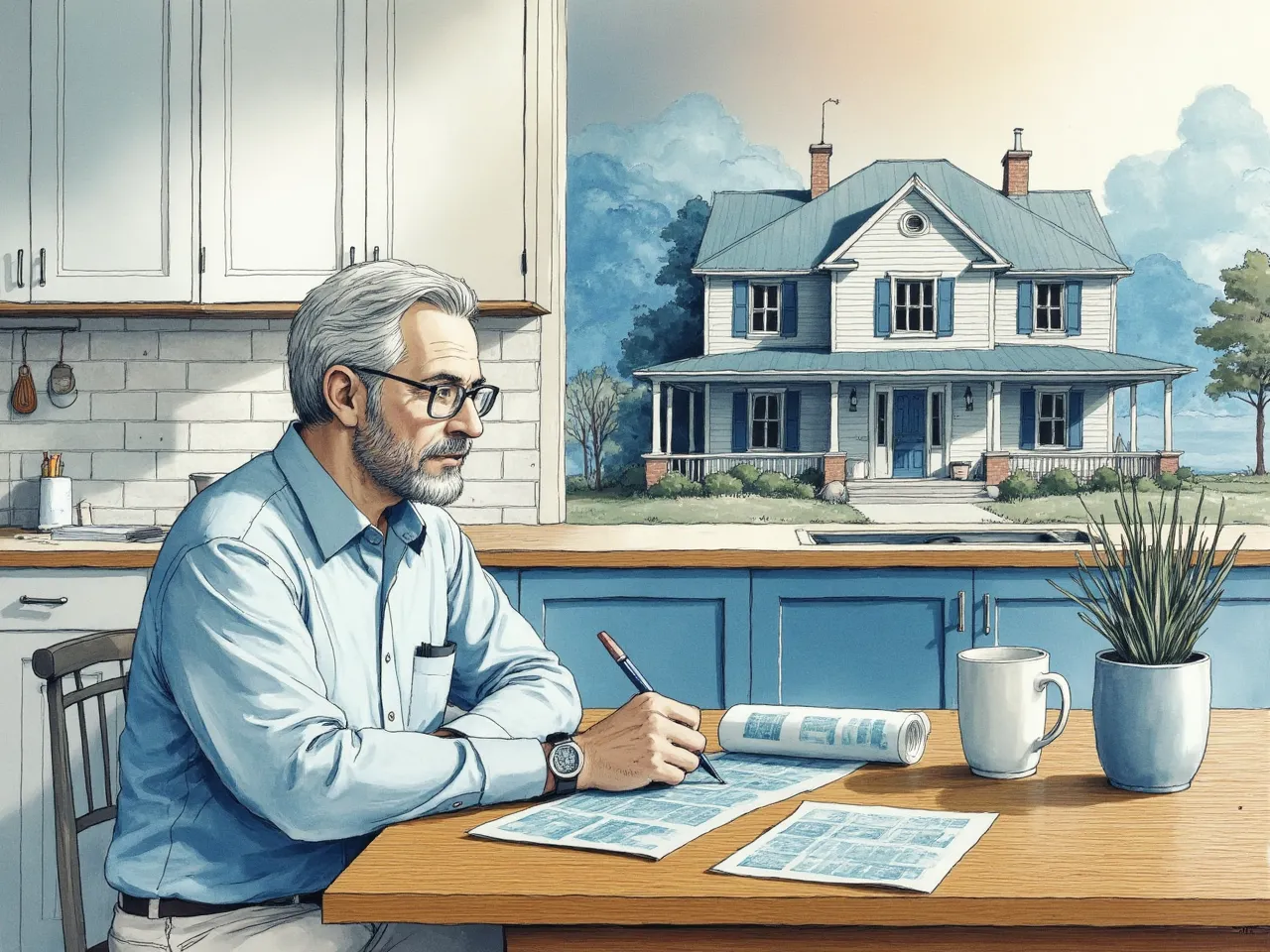
Rising homeowners’ association fees in New Jersey’s 55-plus communities are putting older homeowners in a difficult position. Many hold homes worth hundreds of thousands of dollars but struggle to cover everyday expenses on modest, fixed incomes. Wendy Crispe, Broker of Record and Owner at Realty ONE Group Showcase, says that a lack of awareness of financial tools leaves many seniors with significant home equity but little accessible cash.
“Someone may be on a fixed income of $2,500 a month, but they have $500,000 in equity in their house, and they don’t know how to capitalize on it,” Crispe says. This disconnect is especially common in Ocean County, New Jersey, where the township of Jackson alone has five large adult communities facing rising monthly fees.
How Rising HOA Fees Are Straining Retirement Budgets in New Jersey
The main source of financial strain, Crispe explains, is the steady rise in HOA fees. These fees cover amenities, maintenance, and community services. For retirees living on Social Security and limited pensions, HOA fees now consume a large share of monthly income. Many homeowners entered these communities expecting stable costs, only to find fees increasing far faster than their incomes.
“These exorbitant HOA fees are tightening the belt on seniors living on a fixed income,” Crispe says. The combination of higher HOA fees, property taxes, and other housing expenses is stretching budgets thin and forcing retirees to make tough choices about spending and savings.
HOA fees typically increase to cover inflation, deferred maintenance, and expanded services, while retirees’ incomes rarely rise at the same pace. As fees rise, many seniors cut discretionary spending, tap into savings, or remain in homes that have become financially burdensome even as their equity grows.
Why Many New Jersey Seniors Cannot Access the Equity in Their Homes
Crispe points to a widespread lack of understanding about how seniors can access their home equity without selling. Reverse mortgages, home equity lines of credit, and cash-out refinancing could provide needed liquidity, but many seniors are unfamiliar with these options or reluctant to use them.
“There are programs for seniors to either take the equity out of their house or use the equity to buy something smaller and cheaper, and still get a tremendous amount of the money that they have,” Crispe says. Downsizing could lower housing costs and free up capital, but many older homeowners hesitate to move or are unsure how to start the process.
Financial advisors and real estate professionals often fail to educate seniors about equity-access strategies, leaving older homeowners to navigate complex decisions on their own. As a result, many remain unable to convert housing wealth into spendable income, a condition Crispe describes as being “cash rich, but everyday poor.”
How Property Taxes Add to the Financial Burden on New Jersey Seniors
In addition to rising HOA fees, high property taxes further squeeze retirees. New Jersey leads the nation in per capita property taxes, and Ocean County homeowners are no exception. Crispe cites a typical example: a 3,000-square-foot house on one acre with an annual tax bill of $18,000. For retirees, this burden can be overwhelming, even for those who have paid off their mortgages.
“Taxes are continuing to go up. The state of New Jersey has the highest tax per capita,” Crispe says. “Living in a house where you’re paying $18,000 a year for taxes for a 3,000-square-foot house on one acre of property isn’t really cost-effective. It doesn’t matter what your mortgage is.”
For many seniors, the combined cost of property taxes and HOA fees can easily exceed $2,000 per month, leaving little remaining on a $2,500 fixed income. This financial pressure has made it harder for seniors to age in place, even in mortgage-free homes.
How One New Jersey Brokerage Is Helping Seniors Navigate Housing Costs
To address these challenges, Crispe’s brokerage works with senior clients to identify downsizing opportunities and other financial strategies. The firm conducts detailed consultations to review clients’ equity, monthly expenses, and long-term goals. Based on this analysis, seniors are presented with options that may include selling, refinancing, or tapping home equity through lending products.
Realty ONE Group Showcase also educates clients about programs such as senior property tax freezes, which can cap annual tax increases for eligible homeowners. Combining real estate expertise with financial literacy, the brokerage aims to help seniors make informed decisions about their housing and finances.
Crispe’s approach highlights the need for real estate professionals to go beyond transaction support. As homeownership remains the primary source of wealth for many retirees, converting that wealth into income requires proactive planning and education, resources that are often unavailable.
What New Jersey Seniors Need to Convert Home Equity Into Financial Stability
As New Jersey’s population ages and housing costs continue to rise, the gap between home equity and usable income will become a more pressing issue for seniors. Without better access to financial education and planning, more older homeowners may struggle to meet basic expenses despite owning valuable properties.
Crispe’s experience shows that direct guidance and financial education can empower seniors to make choices that improve their quality of life. For the growing number of retirees in high-cost communities, understanding how to turn home equity into practical income could be the key to maintaining financial stability and independence.
Similar Articles
Explore similar articles from Our Team of Experts.