A veteran DC-area real estate expert is challenging the way institutional investors view the DMV market, particularly their outdated perceptions of Arlington and other close-in suburbs. R...

Why Companies Are Choosing Mixed-Use Office Space Over Traditional Office Buildings

Written by:
Date:
09 Mar 2026
Share via Facebook

Share via Linkedin

Share via X

Copy to clipboard

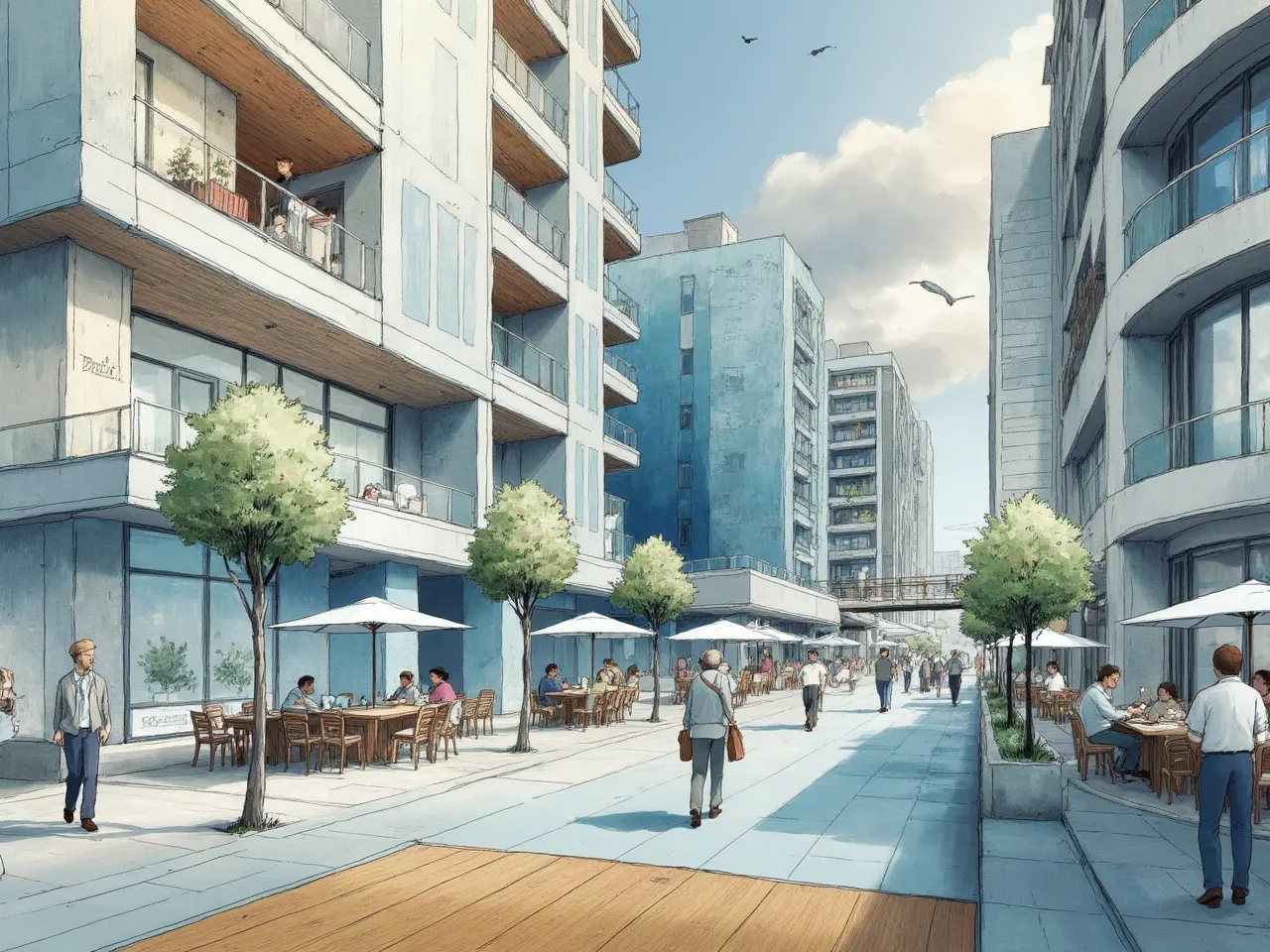
Office tenants are increasingly choosing mixed-use locations over traditional office buildings, driven by employee expectations for amenities and convenience. Companies now consider access to dining, retail, and services within walking distance a key factor in attracting and retaining talent.
“People like to work and live and have everything in one,” says Erica Nguyen, Senior Commercial Advisor at UC Commercial Properties. Single-use office buildings lack these features, offering little beyond workspace itself.
The growing preference for mixed-use locations marks a shift in how companies select office space. Instead of treating office buildings as isolated, functional assets, tenants are evaluating them using the same criteria they apply to residential locations. The surrounding environment and daily convenience now factor heavily into leasing decisions.
How Traditional Office Buildings Lose Tenants to Mixed-Use Developments
Traditional office locations, whether in downtown cores or suburban office parks, often force workers to travel between disconnected destinations for basic needs. Lunch might require leaving the building and driving to a separate retail area. After-work activities and hotel stays for visiting colleagues require additional travel.
Nguyen points out that mixed-use environments eliminate this fragmentation. Workers can get lunch, coffee, or dinner, and access hotels or services, all within the same development. “Everything is there,” she says, emphasizing that these amenities have become essential for today’s office tenants.
The lack of integration in traditional offices creates friction during the workday and makes those buildings less appealing to employees accustomed to convenience in other areas of their lives.
The advantage is especially clear for companies competing for talent in markets where remote work remains common. Employees who come to the office only a few days a week are less willing to tolerate inconvenient locations. Mixed-use environments give those employees a reason to commute by providing amenities that are difficult to replicate at home.
How the Pandemic Shifted Office Tenant Priorities Toward Walkability and Amenities
Demand for mixed-use office projects accelerated after the COVID-19 pandemic, as preferences shifted toward outdoor spaces and walkable, pedestrian-friendly environments. Traditional office buildings, especially older ones with limited outdoor access, now struggle to compete with mixed-use projects that highlight open-air amenities.
Nguyen notes that people increasingly want live, work, and play environments, with high-quality food and beverage options, entertainment, hotels, and residential units all in proximity. Walkability and outdoor gathering areas have become priorities for both employees and companies.
The shift toward walkable, amenity-rich environments is influencing corporate real estate strategy. Companies hoping to increase office attendance are choosing locations with experiential advantages, including lively streetscapes, outdoor plazas, and active retail, rather than purely functional workspace. Mixed-use developments deliver these features through thoughtful design and a curated mix of tenants.
Ground-floor retail and dining create busy, active streets, while outdoor plazas and green spaces provide gathering and break areas. Residential and hotel components keep the area vibrant after business hours, making the environment feel lively rather than empty on evenings and weekends.
What Traditional Office Landlords Must Do to Compete With Mixed-Use Developments
The shift toward mixed-use office space creates clear challenges for landlords with traditional office buildings, especially those in suburban office parks without surrounding retail or residential density. Properties in those locations cannot easily replicate the integrated environment that tenants now expect, leaving landlords at a disadvantage when competing for quality tenants.
Downtown office buildings in walkable urban cores retain some advantage because of their proximity to existing retail and dining. However, many lack the curated tenant mix and cohesive design of purpose-built mixed-use projects. Older downtown buildings may also fall short on outdoor space and pedestrian-friendly features.
For office landlords, adapting may require repositioning properties by adding ground-floor retail or activating surrounding areas to compete on experience. Otherwise, these buildings will likely compete on price rather than amenities. As premium tenants migrate to mixed-use locations, buildings without integrated amenities may face lower demand and downward pressure on rents.
As more mixed-use office supply comes online, the divide between mixed-use and traditional office buildings may widen. Premium tenants will concentrate in mixed-use environments, while traditional buildings attract price-sensitive tenants or companies less focused on workplace experience. The pattern is already visible in retail, where high-performing tenants cluster in mixed-use centers and commodity retail fills lower-cost strip centers.
In a post-pandemic market shaped by new expectations, mixed-use office developments are setting the standard for what tenants now consider a desirable workplace.
Similar Articles
Explore similar articles from Our Team of Experts.

Real Estate Investment, Market Analysis & Policy, Perspectives, Residential Real Estate, Commercial Real Estate
Declining values in Miami office properties have made adaptive-reuse conversions financially viable for the first time in years. This opens new opportunities for developers as construction c...
Perspectives, Industry News, Commercial Real Estate, Property Technology, Market Analysis & Policy, Top Articles
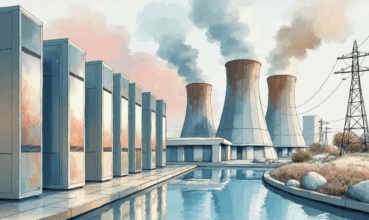
The explosive growth of artificial intelligence is driving data center developers to consider nuclear power as a solution to their massive energy needs, according to a leading real estate at...