
You found the perfect Miami Beach penthouse. The views are stunning, the building is brand new, and the rental income projections look solid. Then the HOA bill arrives — $2,500 a month. Su...

3 Real Estate Shifts in San Francisco this 2026

Written by:
Date:
06 Apr 2026
Share via Facebook

Share via Linkedin

Share via X

Copy to clipboard

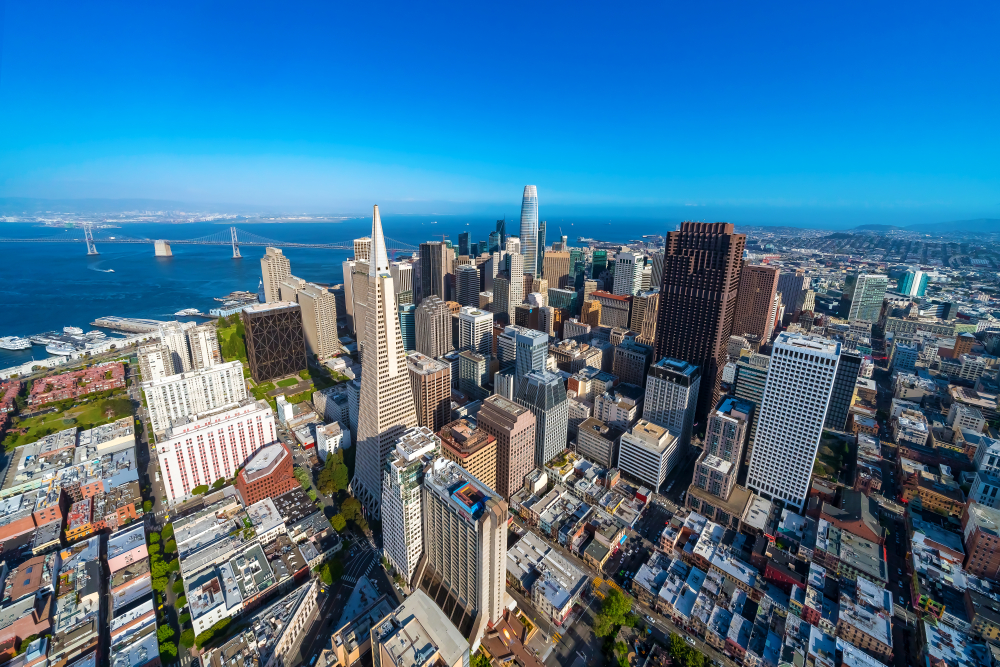
San Francisco’s real estate market is moving again — and the pace of change is surprising even locals. After several years marked by high interest rates, stalled demand, and a remote work exodus, the city is now seeing renewed activity driven by three powerful forces: an AI investment surge, a return to in-person work, and a sudden rebound in demand for multi-unit buildings. Here’s what buyers, sellers, and investors need to know about what’s happening — and why it matters now.
After a period of uncertainty fueled by rising rates and negative headlines, San Francisco spent years in a holding pattern. Buyers hesitated, sellers clung to pandemic-era prices, and the city’s downtown lost much of its pre-pandemic energy. That’s changed in recent months. New investment and a shift in work habits have begun to reshape the market, with effects appearing in both home sales and the rental sector.
1. AI Investment Is Pouring In and Driving Housing Demand
San Francisco has become the center of the artificial intelligence boom. About 73 percent of all AI industry spending flows through the Bay Area, according to local estimates. Major companies like OpenAI are establishing headquarters downtown, hiring thousands of workers, and fueling demand for both rentals and homes for purchase.
This influx of capital and talent is larger than previous tech cycles — comparable to the dot-com boom and the rise of Facebook and Google, but broader in scope. Once-quiet areas like South of Market are seeing new offices, crowded restaurants, and busier streets as employees return to the city.
The impact is immediate: rental prices have reached record highs, and more buyers are entering the market despite elevated mortgage rates. “AI is the future of America, and the boom is in our backyard right now,” says Michael Bellings, co-founder of the Bellings Brothers Real Estate Team | Compass. For buyers hoping for a price drop, the scale of AI-driven demand suggests that relief may not come soon. The city’s tech-fueled growth is once again pushing prices higher and intensifying competition for available homes.
2. The Return to Office Is Reversing the Remote Work Exodus
During the pandemic, many tech companies allowed employees to work from anywhere, prompting a wave of departures from San Francisco. That era is ending. Most major employers now require staff to be in the office three to five days a week. As a result, workers who left the city are coming back, and demand is rising for homes near downtown and transit corridors.
Downtown, which felt empty for years, is seeing renewed activity. Vacant office towers are leasing space, and daily foot traffic has returned to pre-pandemic levels in many areas. The rental market responded first: the average rent for a one-bedroom apartment in San Francisco is now the highest in the country, outpacing New York and Los Angeles.
This shift is also affecting home sales. Properties close to major employers and public transportation are selling faster, and landlords are seeing more predictable rental income as demand stabilizes. “People can’t be in Wyoming working anymore — they have to be in San Francisco,” Bellings notes. For landlords and investors, this new stability makes the rental market more attractive and reduces the risk of prolonged vacancies.
3. Multi-Unit Buildings Are Back in Demand
For several years, two- to six-unit buildings in San Francisco were difficult to sell. High interest rates and soft rents made these investments unattractive, and many properties lingered on the market. That has changed in 2024. With rent prices at record highs and interest rates stabilizing, investors are returning to the multi-family market in force.
Buildings that struggled to attract offers in 2023 are now selling quickly, often above asking price. Sophisticated buyers are targeting properties with below-market rents or deferred maintenance — situations where turnover and renovations can unlock higher income. Locations near transit and shopping districts are especially popular, as investors look for properties that will appeal to returning workers and new residents.
“The multi-family market is accelerating at a rapid pace,” Bellings says. For investors, this is the strongest environment in years. Multiple-offer scenarios are common, and properties that once sat for months are now moving within days.
What to Watch in the Months Ahead
Several factors could influence San Francisco’s real estate trajectory over the next few months:
Interest rates: Federal Reserve decisions will affect both purchasing power and housing demand. If rates decline further, more buyers are likely to enter the market, potentially sparking new bidding wars.
Tech jobs and layoffs: While the AI sector is expanding, some tech companies are still trimming staff. If layoffs increase, demand for housing could soften. So far, however, hiring in AI is outpacing job cuts elsewhere in tech.
External shocks: Global events — such as wars, trade disputes, or financial market volatility — could affect investor confidence and slow the city’s momentum. For now, outside risks have not derailed local growth, but they remain a factor to monitor.
The Takeaway
San Francisco’s real estate market is experiencing a rapid turnaround, driven by AI investment, the end of widespread remote work, and renewed investor interest in multi-unit properties. For buyers and investors, this means more options and greater negotiation power than the city has offered in years. For sellers, it’s a moment to capitalize on renewed demand — especially in neighborhoods near transit and downtown.
“The city is on a rocket ship, fueled by AI growth and a downtown that’s coming back to life,” Bellings says. While risks remain, the combination of tech-driven hiring and rising rental demand points to continued momentum in the months ahead.
This article provides information about current San Francisco real estate trends. It is not legal, financial, or investment advice. All numbers and insights are based on Michael Bellings or widely available market data.
About the Expert: Michael Bellings is co-founder of the Bellings Brothers Real Estate Team in San Francisco. A third-generation realtor and former 30 Under 30 honoree, he specializes in residential sales and investment properties across the city.
This article is based on information provided by the expert source cited above. It is intended for general informational purposes only and does not constitute legal, financial, or real estate advice. Readers should conduct their own research and consult qualified professionals before making any real estate or financial decisions.
Similar Articles
Explore similar articles from Our Team of Experts.