The devastating impact of recent wildfires and extreme weather is driving a fundamental shift in how homes are being built, with resilience becoming as important as sustainability, according to green building expert Izumi Tanaka, host of the podcast Home Green Homes.
“People are really looking at building it, not only from the sustainability standpoint, but resiliency standpoint,” says Tanaka, who holds multiple green building certifications and hosts a leading sustainable homes podcast. “Especially because I’m in LA and we just had these big fires.”
The Rise of Factory-Built Precision
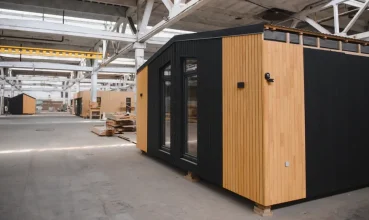
According to Tanaka, one of the most promising trends in resilient construction is the move toward factory-based manufacturing of home components. This shift away from traditional on-site construction offers both quality and efficiency advantages.
“Now I’m seeing components of the buildings being designed and manufactured in the factory,” Tanaka explains. “When they come to the building site, you know, they just have to kind of put it together like you put together a Lego.”
This precision manufacturing approach, which includes both modular and panelized prefab systems, allows for tighter quality control and more consistent implementation of resilient building techniques, she notes.
Innovation in Materials
Tanaka points to an explosion of new building materials specifically designed for climate resilience while maintaining sustainability credentials. “There’s a lot of building materials that are like hempcrete, straw bale, you know a lot of natural materials and Adobe materials,” she says.
These innovative materials are particularly appealing to homeowners in high-risk areas. “Especially people who are planning to rebuild in those fire zones. They’re thinking about, we want to build something that that’s going to withstand the fire, withstand the wind or rain and even earthquake,” Tanaka explains.
The Role of Technology
The integration of artificial intelligence and robotics into construction processes is accelerating the adoption of resilient building practices, according to Tanaka. These technologies are helping to ensure more precise implementation of resilient design features and allowing for better quality control throughout the building process.
“A lot of AI is now involved. There’s some robotics available to build,” she notes, contrasting this with traditional methods where “contractors come with the two by fours, and they cut those frames on site.”
Health and Comfort Benefits
Beyond pure resilience, Tanaka points out that these new building approaches often deliver additional benefits. “It really gives you the comfort in living in your home and health, “she says, noting that many resilient building techniques also improve indoor air quality and eliminate fossil fuel combustion inside the home.
The Market Response
According to Tanaka, demand for resilient homes is growing as more homeowners understand the risks posed by climate change. “Definitely in the last few years, I see more people being interested in knowing more about it, and I think it’ll continue to grow,” she observes.
While acknowledging that some resilient building techniques may have higher upfront costs, Tanaka argues that the long-term benefits, both in terms of durability and reduced insurance risks, make them increasingly attractive to homeowners and builders alike.