New Cheyenne, Wyoming-based company targets ski resorts, distressed ski assets, and ski real estate, with acquisitions already underway CHEYENNE, Wyo., August 2026 – DEK Builds LLC tod...

Loodmy Jacques: Tech Billionaire Migration Signals Florida's Evolution as New Wealth Hub

Written by:
Date:
17 Feb 2026
Share via Facebook

Share via Linkedin

Share via X

Copy to clipboard

Mark Zuckerberg’s move follows Bezos and Page as California wealth taxes drive high-net-worth exodus
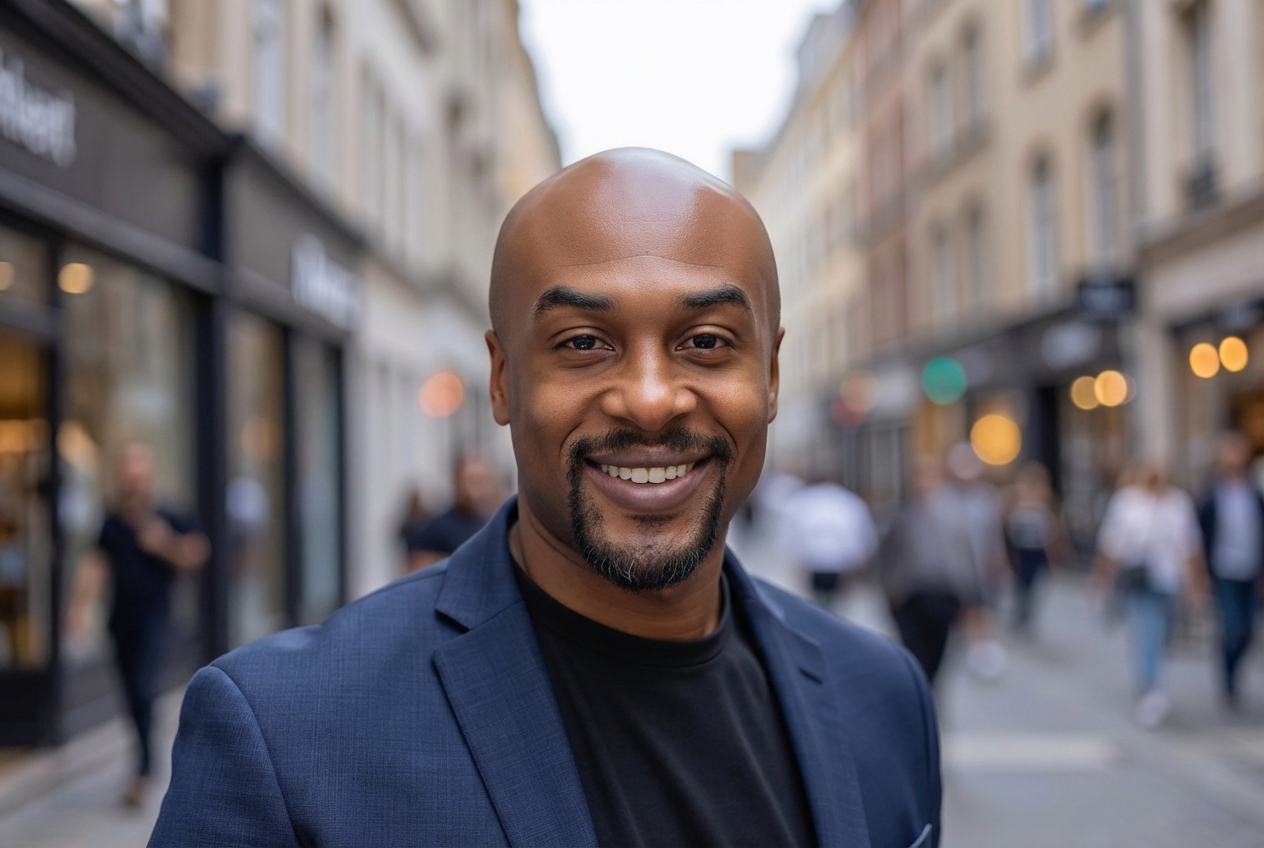
Mark Zuckerberg’s decision to relocate to Florida represents more than individual tax planning – it signals a broader shift positioning the state as America’s emerging wealth capital, according to Loodmy Jacques of The Jacques Team, who sees the migration of tech founders creating ripple effects throughout Florida’s real estate and business landscape.
Zuckerberg joins Jeff Bezos and Google co-founder Larry Page in establishing Florida residency, driven by California’s new 5.5% wealth tax on individuals with net worth exceeding $50 million. The exodus of ultra-high-net-worth individuals from high-tax states creates what Jacques characterizes as a transformative moment for Florida’s economy.
“The new wealth taxes, like a 5% wealth factor, is triggering a lot of migration from big founders, big CEOs and wealthy individuals to move to Florida that is more tax friendly, more welcoming to the higher income, higher wealth individuals,” Jacques explains.
Beyond Individual Relocations
The significance extends beyond individual tax savings. When billionaire founders relocate, they bring entire ecosystems: employees, executive teams, investment capital, and business operations.
“When they come, they bring their employees, they bring their CEOs, they bring money, and then in return, they’re going to build around there,” Jacques notes.
Wells Fargo’s recent decision to move its headquarters to West Palm Beach exemplifies the corporate migration accompanying individual wealth transfers. The combination positions West Palm Beach as what Jacques calls “the Wall Street of the South.”
This corporate and individual migration creates compounding economic effects. High-wage employees require housing, creating demand across price points. Supporting businesses — from professional services to hospitality — to expand to serve growing populations. Real estate values appreciate as demand increases and available inventory tightens.
Market Validation
Jacques emphasizes that billionaire purchases provide market validation that extends beyond their individual transactions.
“If people like Mark Zuckerberg, that have all that information, have all that money, still think that Florida is a good buy and are putting – I don’t remember how much he bought his house for, $200 million, $300 million – it’s something to consider for themselves also,” he says.
The willingness of the world’s wealthiest individuals to deploy hundreds of millions in Florida real estate despite market moderation from 2021 to 2022 peaks suggests confidence in long-term value appreciation and quality of life factors.
Zuckerberg’s reported $300 million property acquisition, even if it drops in value temporarily, represents a rounding error in his overall wealth. But the decision to establish Florida residency and invest at that scale sends signals to other high-net-worth individuals evaluating similar moves.
Infrastructure and Opportunity
Jacques sees current market conditions creating opportunity for buyers to position themselves ahead of anticipated demand increases.
“Let’s get ahead of it. If we see this migration coming from those big companies, let’s go ahead and see what we can take a piece of that pie here in Florida and make Florida your home,” he suggests.
The tech founder migration differs from typical retiree or snowbird patterns. These are working-age individuals in their prime earning and investing years, likely to establish permanent operations rather than seasonal residences.
Florida’s lack of a state income tax — combined with favorable trust and estate planning laws — creates cumulative advantages for ultra-high-net-worth individuals that compound over decades. For someone like Zuckerberg, the annual tax savings likely exceed tens of millions of dollars, justifying substantial real estate investment.
West Palm Beach Emergence
The concentration of wealth migration in the West Palm Beach area – rather than traditional Miami destinations – reflects changing preferences among tech executives and younger ultra-high-net-worth individuals.
West Palm offers proximity to Miami’s cultural amenities and international airport connectivity while providing less density and more privacy. The area’s development trajectory positions it as a serious business center rather than purely a luxury resort destination.
“West Palm is becoming the hub for a lot of tech billionaires,” Jacques notes.
Wells Fargo’s headquarters relocation validates West Palm Beach’s infrastructure and business environment, creating additional gravitational pull for other financial services and professional service firms.
Long-Term Implications
Jacques acknowledges that immediate market impact remains limited – inquiries have increased, but a flood of new residents hasn’t yet materialized. However, he sees building momentum that will accelerate as infrastructure and business ecosystems develop.
“I’m already getting a lot of inquiries from people from New York, New Jersey that are calling and saying, hey, what are the benefits of me coming down. Talk to me about homestead exemption. Talk to me about the benefits of moving here,” Jacques reports.
The combination of tech billionaire validation, corporate headquarters relocations, favorable tax policy, and quality of life factors creates what Jacques views as a transformative period for Florida’s positioning within the national economy.
For buyers and investors, the message is clear: the window to position ahead of accelerating demand may be closing as wealth migration patterns become more pronounced and infrastructure development responds to growing populations. Loodmy Jacques leads The Jacques Team, specializing in Palm Beach County luxury real estate and serving high-net-worth clients relocating to South Florida’s premium residential markets
Disclosure: Individuals or companies mentioned may have a commercial relationship with KeyCrew.
Similar Articles
Explore similar articles from Our Team of Experts.