Las Vegas carries a powerful association with hospitality and short-term stays. That reputation draws a steady stream of real estate investors who assume the city’s culture translates ...

Environmental Risk Becomes Deal-Killer for Brooklyn Industrial Investors

Written by:
Date:
16 Feb 2026
Share via Facebook

Share via Linkedin

Share via X

Copy to clipboard

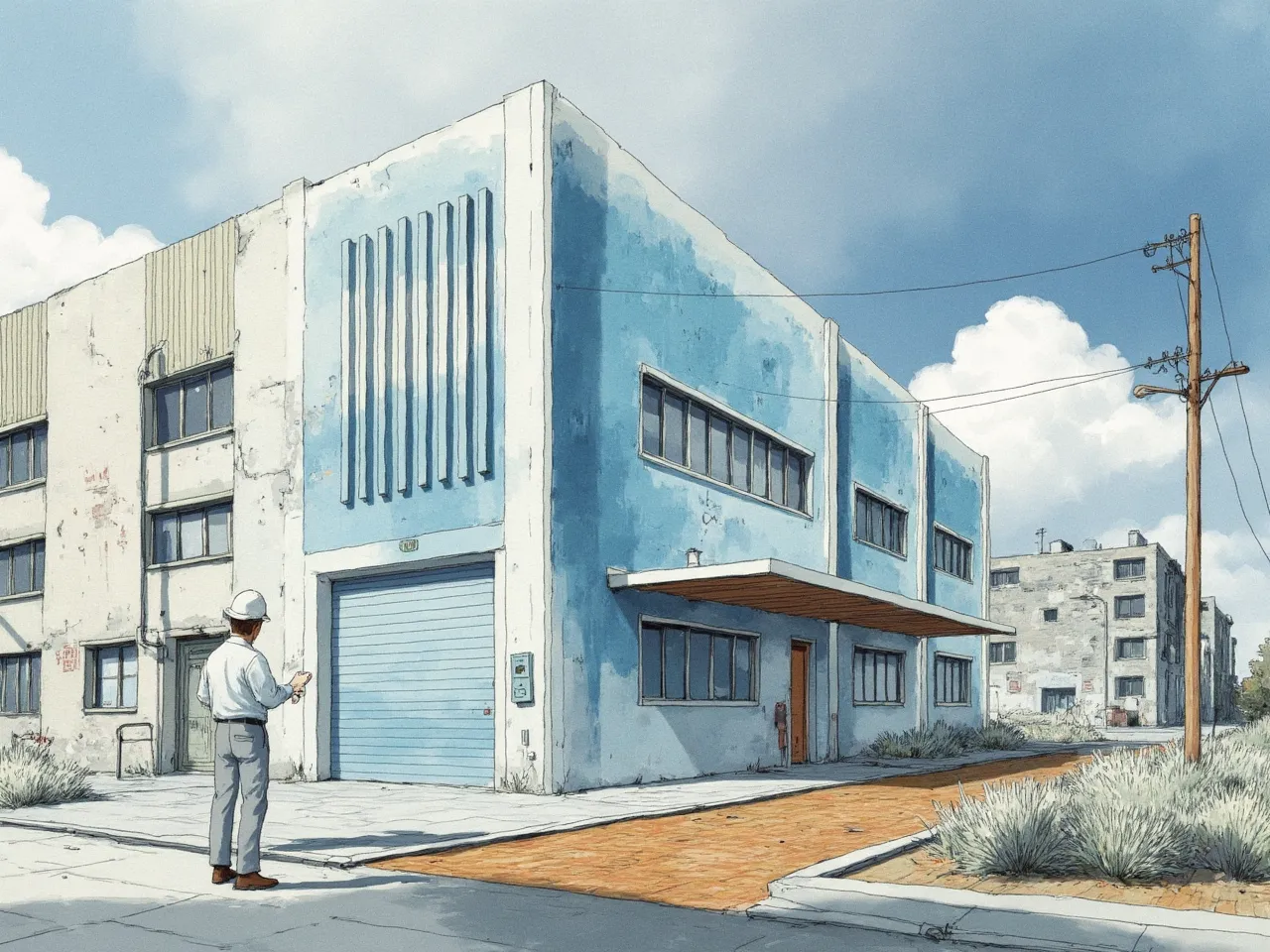
Sophisticated buyers who once treated contamination as a manageable cost are now walking away from industrial properties with environmental issues, sharply narrowing what qualifies as investable in Northern Brooklyn.
Environmental due diligence has shifted from a routine step to a decisive filter for Brooklyn’s industrial investors. Eitan Hakami, a licensed associate broker at Greiner-Maltz Real Estate who specializes in Brooklyn-Queens industrial properties, reports that investor tolerance for environmental risk has dropped dramatically over the past two years. “There’s less of a tolerance to deal with any properties that have any kind of environmental issues,” Hakami says. “Maybe twenty-four months ago, they would have said, okay, fine, we’ll deal with it, you put a price on it and move on. I think right now it’s like, you know what, not interested in dealing with it.”
This marks a clear change in how investors assess Brooklyn’s industrial corridors. Hakami now sees most buyers seeking “properties that are just clean,” with little appetite for future liability.
Environmental Risk Is Now a Deal-Killer
This shift matters most in Northern Brooklyn, where a long history of manufacturing has left widespread, often invisible contamination. According to Hakami, environmental issues in neighborhoods like Greenpoint and Williamsburg are so common that they should be assumed rather than treated as rare exceptions. “Northern Brooklyn is known to have environmental issues, and that could be a problem later,” he notes.
The consequences are already visible. Many older industrial buildings in these neighborhoods now struggle to attract institutional or sophisticated capital. Some buyers still skip environmental due diligence, but Hakami considers this risky given the prevalence of legacy contamination.
The result is a growing divide: clean sites draw attention and offers, while properties with possible environmental issues face longer waits, deeper discounts, or end up with buyers less concerned about future risks.
Why Now?
Several factors help explain why investor attitudes have hardened. Stricter lending standards mean banks are less willing to refinance contaminated properties, increasing the long-term risk for buyers. Regulatory scrutiny of industrial sites has intensified, raising the stakes for owners who fail to address environmental issues. Remediation costs have risen, and in a higher-interest-rate environment, the premium for clean assets has grown.
Hakami does not speculate on which factor matters most, but the cumulative effect is clear: buyers who once accepted contamination as a negotiable issue now see it as a deal-breaker. This shift is fundamentally changing what is considered investable in Brooklyn’s industrial market.
Refinancing: The Hidden Constraint
A critical reason for this new caution is how environmental issues block future refinancing. Hakami explains that even if a buyer is willing to take on environmental risk at purchase, lenders often refuse to refinance properties with known contamination. “If you’re trying to refinance it with a bank or something like that, then you’ll have an issue,” he says.
This dynamic creates a trap: an investor who buys a contaminated property without adequate diligence may later find it impossible to refinance, limiting their ability to access capital or exit the investment. The risk isn’t just about cleanup costs but about losing future financial flexibility.
For many sophisticated investors, this refinancing constraint now outweighs any discount offered at purchase. Properties that once might have traded with a price adjustment for contamination now see buyers walk away entirely, unwilling to accept long-term uncertainty.
A Two-Tier Market Emerges
These changes are segmenting Brooklyn’s industrial market into two clear tiers. Clean properties are attracting institutional and experienced investors who prioritize future flexibility and access to capital. Properties with potential environmental issues are left to a smaller pool of buyers willing to accept both the risk and the likelihood of future financing problems.
This segmentation is affecting both property values and market liquidity. Buildings with clean environmental histories tend to sell faster and at stronger prices, while those with contamination concerns linger on the market and command steep discounts. The divide is especially pronounced in Northern Brooklyn, where decades of industrial use have left a legacy of environmental uncertainty.
Hakami’s observation that investors want properties “that are just clean” signals a new binary in the market: environmental status is no longer just a pricing factor but a make-or-break qualification. Properties that can’t pass environmental scrutiny are largely excluded from the institutional buyer pool.
Implications for Owners and the Market
For property owners in Northern Brooklyn with potential environmental liabilities, this new reality means accepting steeper discounts or investing in remediation before listing their properties. Owners who ignore environmental issues risk being shut out of the institutional capital market entirely.
For brokers and investors, environmental due diligence has become a critical filter. Properties that can’t clear this hurdle are increasingly relegated to a small, specialized buyer pool, often at significant discounts.
Looking ahead, the market’s new stance on environmental risk will likely persist as long as lenders, regulators, and sophisticated buyers continue to prioritize clean assets. For Brooklyn’s industrial sector, environmental status is now a central factor determining value, liquidity, and long-term investability.
Similar Articles
Explore similar articles from Our Team of Experts.