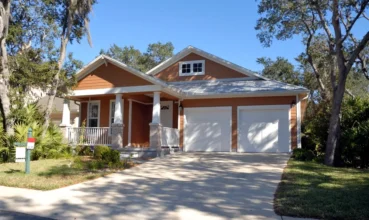

LOS ANGELES, Aug. 27, 2024 (GLOBE NEWSWIRE) — Affirmed Housing, a leading provider of affordable housing throughout California, announces the completion of The Iris, a new, affordable ...

Record Prices, Slower Sales — New York's Hudson Valley Faces a New Housing Market Reality

Written by:
Date:
16 Mar 2026
Share via Facebook

Share via Linkedin

Share via X

Copy to clipboard


Sellers in New York’s Hudson Valley are discovering an uncomfortable truth: record home prices don’t guarantee a quick sale. The median has climbed to an all-time high of $350,000, yet homes are lingering on the market, offers are getting scarce, and the bidding wars of the pandemic years are gone. For buyers, that’s good news. For sellers still expecting top dollar overnight, it’s a rude awakening.
Homes Linger on the Market
Across the Hudson Valley, properties that once sold in days now linger for weeks, particularly at higher price points. Listings above $700,000 are taking the longest to move, but even homes in the $350,000 to $500,000 range — previously the fastest-selling segment — are also seeing reduced activity and slower offers.
Chrissy Wilger, a licensed real estate salesperson with RE/MAX Benchmark Realty Group in New Windsor, New York, has seen this change firsthand. Not long ago, Wilger says, buyers could expect to lose multiple bids before landing a home — if they could land one at all. Now, buyers have more leverage and more choices.
Sellers who price their homes based on 2021 expectations often find themselves waiting weeks without offers. Many eventually cut prices by $10,000 to $20,000, or offer closing-cost credits to spark interest. Buyers are taking advantage of the slower pace to tour more homes and make more careful decisions — a stark contrast to the rushed environment of 2021 and 2022.
Inspections are once again standard. Buyers are no longer waiving contingencies to win a bid, and they’re negotiating repairs when problems arise. Some deals fall apart when sellers, still anchored to the pandemic mindset, refuse to address inspection items.
Why the Market Changed
Higher Mortgage Rates. The sharp rise in mortgage rates is the main reason for the slowdown. During the pandemic, rates hovered around 2% to 3%, but today’s buyers face rates of 6% or 7%. This jump has significantly reduced what buyers can afford. Someone who qualified for a $600,000 home at 3% may only be able to afford around $450,000 at 7%. As a result, sellers have had to lower their expectations or wait longer for a buyer.
Wilger notes that many buyers paused their searches, hoping rates would drop, but most now accept that pandemic-era rates are unlikely to return soon. Instead of waiting indefinitely, they’re moving forward with purchases — but only after careful consideration and negotiation.
More Homes for Sale. Inventory has finally increased after years of tight supply. During the height of the market, many homeowners were reluctant to list because they didn’t want to become buyers facing fierce competition and limited options. With the market cooling and more choices available, more sellers are willing to list their homes, giving buyers greater selection and reducing the urgency to bid above the asking price.
Sellers Still Chasing Old Prices. Many sellers remember the peak years when homes sold quickly for top dollar. Some continue to list at those high prices, expecting the same results. But buyers are no longer willing to pay a premium for homes that need work or are overpriced. Properties that are not priced competitively or require repairs often sit on the market for weeks.
Sellers who respond quickly — by dropping prices within the first two weeks or offering repair credits — can still close deals. Those who wait too long often end up selling for less than they would have if they had priced realistically from the start.
Advice for Today’s Buyers and Sellers
For buyers, take your time. With less competition, buyers can tour multiple homes and compare before making an offer. There’s no need to rush into a decision.
Negotiate for inspections and repairs. The market now supports full inspections and requests for repairs or credits when issues are found. Waiving contingencies is no longer expected.
Consider offering below the asking price if a home has been listed for more than two weeks. Sellers with stagnant listings are often willing to negotiate, especially if they’ve already reduced the price.
For sellers, price realistically from the beginning. Overpricing to “test the market” will likely lead to weeks of inactivity and a forced price reduction later, which can make buyers suspicious. Review recent comparable sales and set a competitive price.
Prepare your home before listing. Clean thoroughly, stage rooms, and address obvious repairs. With more inventory available, buyers are pickier about condition and presentation.
Be willing to negotiate on inspection items. Refusing to address legitimate repairs can cause deals to collapse. Offering credits or agreeing to reasonable fixes can keep the transaction moving forward and avoid starting over with a new buyer.
What’s Next for Hudson Valley
Looking ahead, Wilger expects mortgage rates to drop slightly over the next year, possibly approaching 6%. If that happens, many buyers currently priced out of the market could become eligible, potentially increasing activity and competition. “We’re going to see a lot more buyers come into the market again,” Wilger says. She expects that increased demand will be balanced by the larger inventory now available.
Home prices are still expected to rise modestly, but the days of instant sales and aggressive bidding wars appear to be over for now. Instead, the Hudson Valley market is settling into a more sustainable pace, where both buyers and sellers need to be strategic and flexible to complete a deal.
About the Expert: Chrissy Wilger is a licensed real estate salesperson with RE/MAX Benchmark Realty Group in New Windsor, New York, serving sellers, buyers, and investors throughout Orange County and the broader Hudson Valley.
This article is based on information provided by the expert source cited above. It is intended for general informational purposes only and does not constitute legal, financial, or real estate advice. Readers should conduct their own research and consult qualified professionals before making any real estate or financial decisions.
Similar Articles
Explore similar articles from Our Team of Experts.