

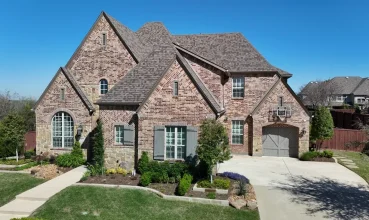
Homes in Celina, Texas have dropped 15 to 20 percent from their pandemic peaks, and 5.7 months of inventory suggests prices haven’t finished falling. The Dallas North Tollway extension...

College Towns Emerge as New Targets for Real Estate Investors

Written by:
Date:
20 Mar 2026
Share via Facebook

Share via Linkedin

Share via X

Copy to clipboard


When people think of hot real estate markets, they often picture cities like New York, San Diego, or Denver, not Tuscaloosa or Wichita. But college towns are attracting new attention from investors, with recent activity revealing that these smaller markets now present real growth opportunities.
The driving force behind this trend is college sports and the loyal alumni who return for games, spend heavily, and create steady demand for hotels, restaurants, and housing. This dynamic is drawing sophisticated investors to places once seen as too risky or seasonal for major development.
“These are third-tier markets that typically wouldn’t see tremendous development opportunities,” says Andrea Austin, a real estate attorney at Greenberg Traurig who works on sports facility projects. “But now people are viewing them as new magnets.”
Why College Towns Are Gaining Interest
For years, institutional investors focused on large, diversified cities with strong job markets and stable demand. College towns, by contrast, were considered risky, too dependent on a single institution and subject to seasonal swings tied to the academic calendar.
That perception began to change for two reasons. First, private equity began flowing into collegiate sports, giving universities the capital to invest in real estate around their stadiums and arenas. Second, developers recognized that college sports fans represent a reliable, enthusiastic customer base, willing to pay premium prices on key weekends.
Universities, facing tighter budgets and declining state funding, are now more willing to monetize their real estate assets. “Universities are looking for ways to generate revenue, and monetizing real estate is one of the best tools they have,” Austin explains.
The Rise of Condo Hotels
One of the most notable new models is the condo hotel, as seen with projects by Alum, a company building these developments in several college towns. The concept is straightforward: buyers purchase individual units and place them in a rental pool. On major weekends — such as big games, graduation, or alumni events — owners use their units. The rest of the year, the property operates as a high-end hotel, open to regular guests.
Kevin Kelley, a shareholder at Greenberg Traurig with decades of experience in resort and mixed-use projects, describes it as operating “like a country club on big game weekends.” Alumni who buy units return, socialize, and enjoy the atmosphere, while the property remains the top hotel in town for the rest of the year.
The financial logic is clear. Land is less expensive in college towns than in major cities, but demand spikes during key events allows developers to charge high rates. This combination results in better margins than many urban hotels can achieve.
Universities’ Role in Development
Colleges and universities now see real estate as a critical asset. As state funding drops and expenses rise, schools must find alternative revenue sources. Developing land around sports venues—through ground leases, land sales, or private partnerships—creates new income streams and helps modernize campus environments.
But success requires more than just game-day crowds. Sustainable developments must attract visitors year-round by adding apartments, restaurants, offices, and entertainment venues that appeal to students, faculty, residents, and visiting fans alike.
“Universities have one asset that’s underutilized: real estate,” Kelley notes. Schools can partner with private developers to share revenue and create mixed-use districts that serve the broader community.
What Investors Should Consider
Investing in college-town real estate is not a one-size-fits-all strategy. The most important factors are local demographics and strong anchors.
“You really need to understand the demographics,” Austin says. Students and young professionals dominate some college towns, while others have established neighborhoods with families and retirees. Successful projects tend to appeal to multiple groups: students seeking nightlife, families seeking safe gathering spaces, and seniors seeking to stay engaged with the community.
Strong sports programs provide a clear anchor, but real estate fundamentals still matter. Investors must examine infrastructure, access to highways or public transit, and conduct thorough feasibility studies that account for existing competition. “It is still real estate development,” Kelley says. “You’ve got to be thinking about your infrastructure, who your competition is, and where your risks are.”
The Outlook for College Town Development
College towns are no longer overlooked. Backed by private equity, loyal alumni, and universities eager for new revenue, these markets now offer real opportunities for mixed-use development. The most successful projects are those that consider year-round demand and address the needs of diverse local populations — not just visiting sports fans.
“A hardcore fan base of alumni who come back for games creates new development opportunities,” Austin says. These markets, once seen as niche, are showing significant growth potential.
Looking ahead, the college-town real estate trend is likely to accelerate as universities seek to diversify revenue streams and developers refine models for year-round engagement. Investors who take the time to understand local dynamics and build for broad appeal will be best positioned to capture this emerging wave.
About the Experts: Andrea Austin is a shareholder at Greenberg Traurig, LLP, based in Denver. She specializes in sports facilities, public-private partnerships, and mixed-use real estate development. Kevin Kelley is also a shareholder at Greenberg Traurig, with decades of experience in resort and mixed-use real estate.
This article is based on information provided by the expert source cited above. It is intended for general informational purposes only and does not constitute legal, financial, or real estate advice. Readers should conduct their own research and consult qualified professionals before making any real estate or financial decisions.
Similar Articles
Explore similar articles from Our Team of Experts.




New Construction Dominates Relocation Market: Florida Agent Reports 75% of Clients Choose New Builds
Raymond Fernandez, a relocation specialist with eXp Realty in Palm Beach County, has seen a striking trend: new construction now accounts for roughly 75% of his clients’ purchases, nearly ...

