
A realtor with a corporate pricing background says many agents rely on intuition rather than formal pricing methods. She argues this can lead to overpricing and lower seller proceeds, especi...

Where Fort Wayne Buyers Are Looking Next: 5 Emerging Hotspots

Written by:
Date:
06 Mar 2026
Share via Facebook

Share via Linkedin

Share via X

Copy to clipboard

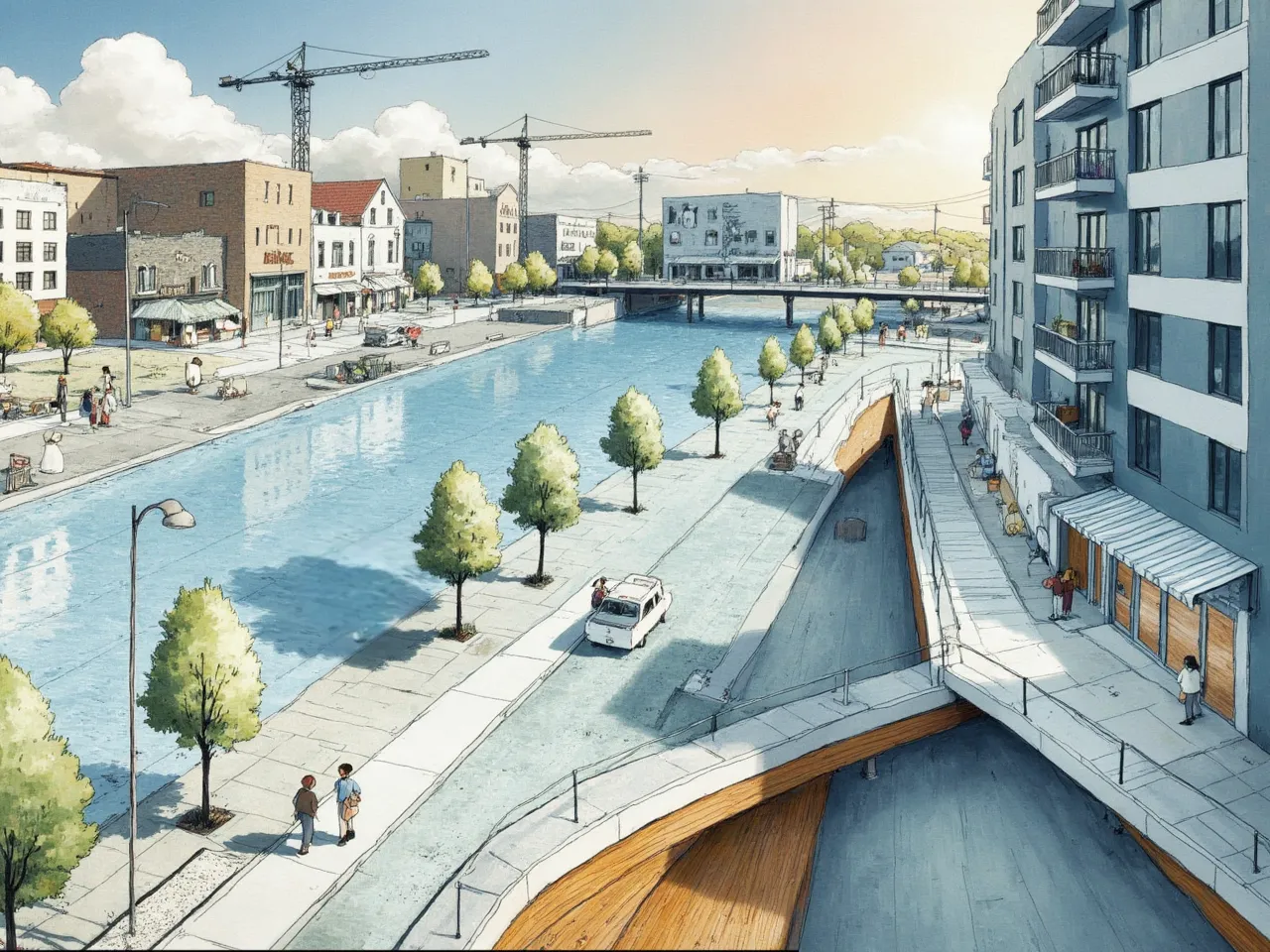
Fort Wayne’s real estate market is drawing new attention as buyers look beyond the city’s established neighborhoods for value and growth. Over the past few years, a handful of areas have started to attract more interest – in open houses, in group chats, and in conversations at downtown coffee shops. These are the neighborhoods where residents are seeing more tours, new businesses, and investment opportunities that weren’t on the radar just a few years ago.
Several factors are fueling this momentum. The city has invested heavily in public spaces along its rivers, new downtown developments are underway, and a sense of optimism is taking hold after decades of slow growth. These efforts are now pushing investment into previously overlooked neighborhoods, creating fresh opportunities for buyers and developers.
1. Downtown Riverfront
Downtown Fort Wayne, once quiet after business hours, has become a magnet for new residents. Nearly 800 new housing units are expected to come online in the next few years, many near the riverfront. The opening of Promenade Park in 2015 marked a turning point, transforming how people interact with the city’s rivers and attracting private development.
Alec Johnson, Deputy Director of Redevelopment for Fort Wayne, notes that every dollar spent on public park space has generated close to $10 in private investment. With two more phases of riverfront development planned, including additional trails and green space, demand for housing near the water continues to rise. Buyers are moving quickly to secure homes in these areas before prices climb further.
2. North River District
Adjacent to the riverfront, the North River District covers 29 acres that were once a metal scrap yard. After years of neglect due to contamination, the city purchased the land, secured federal cleanup grants, and is now building the North River Field House and a mixed-use district focused on youth sports tourism. The development will include hotels, restaurants, housing, and entertainment within walking distance.
Fort Wayne’s central location – two hours from Chicago or Indianapolis, three from Cincinnati or Cleveland – makes it ideal for regional sports tournaments. The project has attracted interest from 20 national developers, a response that city officials did not expect. As the district opens, nearby blocks are positioned for a surge of new investment and increased buyer demand.
3. Near-Downtown Mixed-Use Corridors
Outside the downtown core, Fort Wayne is encouraging smaller-scale mixed-use developments. These projects typically feature two- or three-story buildings with retail on the ground floor and apartments above – a return to the incremental growth that once shaped American cities.
The city now offers tax incentives for these smaller projects equal to those for larger developments, making it feasible for local investors to participate without needing large-scale financing. Johnson emphasizes that supporting small-scale development is a deliberate strategy to spread growth beyond downtown’s biggest towers. Watch for these projects to appear along key corridors where land is affordable, and foot traffic is rising.
4. Neighborhoods Near New Parks
The city’s partnership with a global design firm to reimagine its riverfront has paid off. Promenade Park has won regional and national design awards, but the most significant impact is local: it has proven that high-quality public space attracts private investment.
With the next phases of riverfront parks underway, neighborhoods within a short walk of these new green spaces are seeing heightened interest from buyers and developers. These areas are likely to capture the next wave of growth, especially for those looking for long-term value close to recreation and amenities.
5. Areas Near the Baseball Stadium
Parkview Field, home to Fort Wayne’s minor league baseball team, opened in the mid-2000s and sparked the city’s downtown revival. Since then, the blocks surrounding the stadium have steadily filled with apartments, restaurants, and shops. As downtown expands, neighborhoods just beyond the stadium’s footprint are gaining momentum.
These areas offer a mix of older homes and new infill developments. Buyers appreciate the walkability and proximity to downtown attractions, often at lower prices than in the city center. Johnson observes that developers who once overlooked Fort Wayne are now actively seeking opportunities in these neighborhoods.
The Next Hotspot
Not every emerging neighborhood is announced with fanfare. Buyers and investors can look for several signs of growth:
- Increased renovation or construction permits signal that investors see potential.
- New businesses such as coffee shops, gyms, and daycares reflect rising demand.
- City investment in parks or infrastructure often precedes private development.
- Fort Wayne’s strategic location appeals to those seeking easy commutes or access to larger Midwest cities.
- The appearance of new neighborhood groups or local events suggests growing community engagement.
Why This Matters
Fort Wayne is at a pivotal moment: home prices remain accessible, competition is manageable, and significant public investment over the past two decades is finally attracting private dollars. Buyers priced out of bigger cities or seeking better value are starting to notice.
Johnson credits recent momentum to years of groundwork in parks, infrastructure, and incentives. “We’re reaping the benefits of all that groundwork right now,” he says. Developers and buyers are looking to be part of Fort Wayne’s next chapter, and these are the neighborhoods likely to see the most attention in the coming year.
About the Expert: Alec Johnson is Deputy Director of Redevelopment for the City of Fort Wayne, Indiana. A landscape architect and urban designer, he spent 18 years with the city’s parks department before moving into economic development. He focuses on downtown revitalization, public-private partnerships, and riverfront development.
This article provides information about local real estate trends in Fort Wayne. It is not legal, financial, or investment advice. Neighborhood conditions can change quickly; conduct your own research before making decisions.
Similar Articles
Explore similar articles from Our Team of Experts.
Perspectives, Residential Real Estate, Commercial Real Estate, Property Technology, Market Analysis & Policy, Industry News
Marketing leader explains why national approaches fail in real estate’s hyper-local digital landscape . The assumption that digital house-hunting behavior is consistent across markets ...