
“We are not sitting around waiting for anything to happen. We’re actively being creative and proactive, and we’re starting to see excellent results,” says Lisa Simons...

Danbury’s Measured Growth: How Strategic Planning and Implementation Are Reshaping Connecticut’s Emerging Hub

Written by:
Date:
27 Jan 2026
Share via Facebook

Share via Linkedin

Share via X

Copy to clipboard


Danbury, Connecticut, is charting a course of steady growth and urban revitalization, leveraging its geographic position, favorable tax structure, and a new, action-oriented approach to city planning. Under Planning Director Waleed Albakry, who took the helm in July 2024, the city is prioritizing results over lengthy planning cycles, aiming to deliver visible improvements and attract targeted investment.
Strategic Location and Tax Advantages Fueling Demand
Danbury’s appeal is rooted in more than the post-pandemic migration from New York City that has driven up demand across Connecticut. The city’s unique location on the border of Connecticut and New York, in the heart of Fairfield County, gives it access to both major employment centers and affluent suburbs, while maintaining a relative affordability advantage.
“Fairfield County is one of the most expensive areas in the country, but Danbury is still more affordable compared to most of our neighbors,” Albakry says. The city’s mill rate stands at 24, well below the 42-45 range standard in other Connecticut municipalities, making it a draw for both residents and businesses seeking lower property taxes.
This advantage has long-term roots. The Reserve, a 2,000-home subdivision that began 20 years ago, continues to attract buyers from New York. “People started coming from New York to live in this huge subdivision because taxes in New York State are way higher,” Albakry notes. The city’s growth, he emphasizes, is not just a recent trend, but the product of sustained fiscal competitiveness and strategic positioning.
Implementation-First Planning: Breaking the Mold
Danbury stands out for its commitment to turning plans into tangible improvements, rather than allowing them to languish on paper. Instead of separating planning from execution, the city’s planning department leads both vision and delivery.
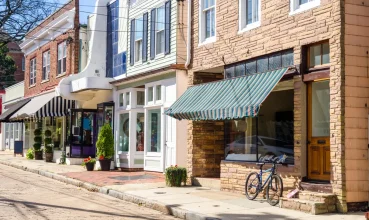
“We are investing more than $20 million in sidewalks throughout downtown, changing the face of the area as we speak,” Albakry explains. Unlike many cities, where engineering handles project delivery, Danbury’s planning department administers both funding and implementation. This direct involvement is designed to keep projects aligned with the city’s goals and ensure follow-through.
Albakry sees this as a necessary correction in municipal governance. “Too often, there’s a split between planners, who have the vision, and those tasked with implementation. Plans collect dust, and 20 years later, nothing has changed. We’re making sure things actually get done now.” This focus on action is evident in the city’s ongoing infrastructure upgrades and regulatory updates.
Zoning Overhaul: Expanding and Streamlining Downtown
Danbury had completed a significant zoning update that more than doubles the size of its downtown district from 200 acres to 420 acres. The new regulations are designed to remove common barriers to development, such as public hearing requirements for projects that meet zoning standards.
“In downtown areas, projects that comply with the regulations are approved administratively, without public hearings,” Albakry says. This shift is intended to foster vibrancy and streamline the development process. “If we keep following the old model, where every project requires a hearing, we slow everything down. We don’t see negative impacts from this approach in downtown.”
This philosophy extends to the city’s broader development strategy. Rather than defaulting to rejection or delay, Danbury aims to work with developers to shape projects that fit local needs. “Cities often say no because it’s comfortable. We’re focused on collaboration and finding ways to say yes, as long as the project meets community standards,” Albakry explains.
Adaptive Reuse: Converting Hotels to Housing
Danbury is becoming a state leader in converting underused hotels and motels into residential units, addressing housing shortages through adaptive reuse. The former Crowne Plaza Hotel, vacant for 15 years, is being redeveloped into studio and one-bedroom apartments with modern amenities.
“All the spaces in the hotel are becoming amenities – coworking, a gym, coffee shop, music venues. After 15 years of vacancy, it’s turning into a high-quality product,” Albakry says. He notes that Danbury is among the top cities in Connecticut for these hotel-to-housing conversions, which provide new housing inventory without requiring new construction on undeveloped land.
This strategy reflects a broader market opportunity for communities with surplus hotel capacity and unmet residential demand. By repurposing structurally sound but economically underperforming buildings, Danbury is adding housing in a cost-effective, timely manner.
Infrastructure Investment and Clarity for Investors
To support ongoing development, the city is conducting in-depth studies of water and sewer capacity, aiming to provide investors with clear, actionable information on where and how much growth can be accommodated. Predictability is essential for investors. Vagueness is a deal-breaker,” Albakry says.
Danbury also holds monthly coordination meetings with all development-related departments, allowing department heads to discuss current projects and anticipate future needs. This regular communication is intended to identify bottlenecks early and maintain momentum in the approval process.
The city offers free consultation meetings to investors and community members considering new projects. “Anyone with an idea can meet with us and representatives from different departments, at no cost,” Albakry says. This open-door policy is designed to lower barriers for new investment and ensure that developers have access to the information they need.
Transit-Oriented Senior Housing and Downtown Revitalization
Senior housing is a growing focus in Danbury’s downtown, where proximity to transportation and services can support both older residents and the workforce that serves them. “Senior housing is a huge component. Communities that plan well will take advantage of it,” Albakry says. He points out that senior housing typically places less strain on infrastructure and can help create a balanced, multi-generational downtown.
The city is advancing transit-oriented senior housing projects, leveraging existing transportation infrastructure to meet demographic needs while supporting downtown revitalization. These projects are designed to integrate with the city’s broader vision of a walkable, accessible urban core.
Capital Investment and Modernization Initiatives
Danbury’s capital improvement plan totals over $700 million across six years, with a significant share devoted to public infrastructure. Multiple sidewalk projects in the downtown area are scheduled for completion by the end of 2026. The city plans to keep tax increases modest to preserve its affordability edge.
Looking ahead, Danbury plans to reduce parking requirements for various property types, create new mixed-use corridors outside the downtown core, and roll out online application systems with integrated GIS mapping. The goal is to make development processes more transparent and efficient.
“We’re moving all planning applications online and updating our GIS mapping. Every zoning requirement will be a layer in the GIS system, so anyone can easily look up what they need,” Albakry explains. The city is also working to consolidate building permits and site plan approvals, which could reduce application timelines by eight to twelve weeks.
A New Model for Growth in Connecticut
Danbury’s combination of strategic location, low taxes, investor-friendly processes, and results-oriented leadership is positioning it as a standout destination for real estate investment and development in Connecticut. The city’s focus on implementation, regulatory modernization, and creative solutions to housing needs is producing visible progress and attracting new interest from residents and businesses alike.
For developers and investors, Danbury offers a clear value proposition: access to major markets, predictable costs, and a city government committed to clearing obstacles rather than creating them. As Albakry puts it, “We’re open for discussion. We want people to know that we do our homework and we’re ready to work with anyone who wants to invest in Danbury.”
As Connecticut’s urban centers compete for growth and investment, Danbury’s approach demonstrates how proactive planning, clear communication, and a willingness to adapt can drive measurable results. The city’s evolution from planning to implementation is not just a vision—it’s an ongoing process with visible impact on the ground, offering a model that other communities in the region may soon look to follow.
Similar Articles
Explore similar articles from Our Team of Experts.