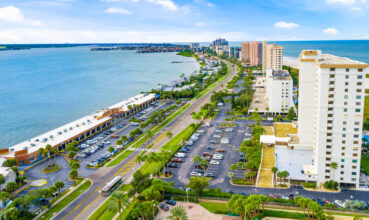
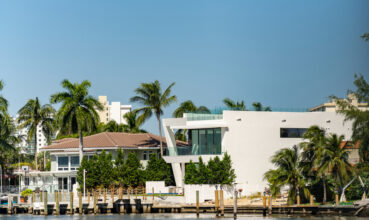
You’ve seen the listings. Stunning waterfront homes with custom finishes, open floor plans, and views that make you forget what state you’re in. But if you’ve ever wondered...

North Florida’s Million-Dollar Homes Are Sitting – While First-Time Buyers Finally Get a Break

Written by:
Date:
05 Mar 2026
Share via Facebook

Share via Linkedin

Share via X

Copy to clipboard


Just a year ago, first-time buyers in North Florida faced a punishing market. Bidding wars, waived inspections, and offers above asking price were common, shutting out many who hoped to buy their first home. At the same time, luxury properties sold quickly, often to cash buyers or investors who could close in days.
Now, the dynamic has changed. Entry-level homes are lingering on the market longer, and sellers are offering concessions to attract buyers. High-end properties – especially those priced above $800,000 – are also taking longer to sell unless they are brand new or aggressively priced. This unexpected shift is creating opportunities for buyers willing to act strategically.
A New Reality in the Numbers
Homes priced between $800,000 and $1.5 million in North Florida are sitting on the market noticeably longer than they did during the 2021 surge. Properties that once drew multiple offers now face stiff competition from new construction, which comes with warranties, lender incentives, and turnkey appeal. At the same time, first-time buyers are returning as prices drop slightly and lenders introduce programs with credits or lower down payment requirements.
The result is a market where the middle and upper-middle price ranges are struggling, while entry-level homes – once out of reach – are now attainable for buyers willing to negotiate.
Why the Shift?
John Richardson, Global Real Estate Advisor with ONE Sotheby’s International Realty in North Florida, points to affordability as the main driver behind these changes.
When mortgage rates surpassed 7%, monthly payments rose sharply across all price points. The impact was most pronounced in the $800,000 to $1.5 million range, where many buyers already own a home with a low rate and are considering upgrading. Even if the new house costs the same or less, the higher interest rate means a much larger monthly payment, making the move less appealing.
At the same time, builders have increased the supply of new construction in this range. These homes offer warranties, modern finishes, and financing incentives, making them more attractive than lived-in homes. Sellers of typical four-bedroom, three-bath homes that are only slightly above builder grade now find themselves competing on price rather than features.
For first-time buyers, the situation is improving. Home prices have dropped 3% to 5% in many neighborhoods. Some lenders are offering credits or programs that lower upfront costs, making it easier to buy despite higher interest rates. While the process is still challenging, it is less competitive than it was in 2022.
A Tale of Two Transactions
Consider a recent example: A seller listed a five-bedroom, 5,000-square-foot home in a desirable North Florida community last year. It was staged well, marketed aggressively, and priced below what the owner paid three years earlier. Despite these efforts, the home sat on the market. Buyers compared it to new construction nearby, which offered warranties and rate buydowns. Even with a lower asking price, the resale home could not match the appeal of a brand-new property. The seller ultimately had to reduce the price further and offer closing cost credits to attract serious interest.
In contrast, a first-time buyer who had been shut out of the market in 2022 recently purchased a three-bedroom home in a solid neighborhood for $375,000. The seller agreed to cover $5,000 in closing costs, and the buyer’s lender provided a credit that lowered the effective interest rate. Two years ago, this buyer would have faced intense competition and likely would have had to waive contingencies. This time, they closed smoothly and on favorable terms.
What Buyers and Sellers Should Do Now
For Entry-Level Buyers: This is the best environment in years to purchase your first home. You have more time to tour properties, negotiate repairs, and request closing cost credits. Don’t rush your decision. Sellers are more flexible than they have been in the recent past. If you’re considering a home that needs updates, get actual contractor quotes – many buyers overestimate repair costs and miss out on good deals.
For Sellers in the Mid-Range: Price your home competitively from the start. Overpricing will result in longer days on market, which can make buyers skeptical. If your home isn’t new construction, you’ll need to compete on price. Offer repair credits upfront, consider covering a portion of the buyer’s closing costs, and ensure your home is professionally staged and photographed. The market is crowded, and buyers are comparison shopping.
For Luxury Buyers: Quickly find a property that fits your needs. High-end homes are still selling, especially to cash buyers or those who can close without financing delays. However, if a luxury home has been listed for more than three months, you have leverage. Negotiate for price reductions, seller credits, or included furnishings – many sellers in this range are motivated, even if they don’t advertise it.
Looking Ahead
North Florida’s housing market now favors first-time buyers and challenges sellers in the middle and upper-middle price ranges. Entry-level homes that were once snapped up in days are sitting on the market longer, giving buyers more negotiating power. Meanwhile, homes priced between $800,000 and $1.5 million must compete with new construction and often lose out unless they are aggressively priced.
For anyone selling a lived-in home in today’s market, Richardson is blunt: “The only way to compete is on price.” Sellers who recognize this reality and adjust their strategy will have the best chance of moving their property. For buyers, especially first-timers, the current climate offers a rare window of opportunity.
About the Expert: John Richardson is a Global Real Estate Advisor with ONE Sotheby’s International Realty in North Florida. He specializes in residential transactions across a range of price points, helping buyers and sellers respond to changing market conditions.
This article is based on information provided by the expert source cited above. It is intended for general informational purposes only and does not constitute legal, financial, or real estate advice. Readers should conduct their own research and consult qualified professionals before making any real estate or financial decisions.
Similar Articles
Explore similar articles from Our Team of Experts.