The flexible workspace sector is experiencing a significant shift as operators move away from traditional lease-based models and adopt deeper partnerships with property owners. This change r...

From NFL to Real Estate: How Jed Weaver’s Two Decades Reveal the Shifting Realities of South Florida’s Luxury Market

Written by:
Date:
21 Jan 2026
Share via Facebook

Share via Linkedin

Share via X

Copy to clipboard

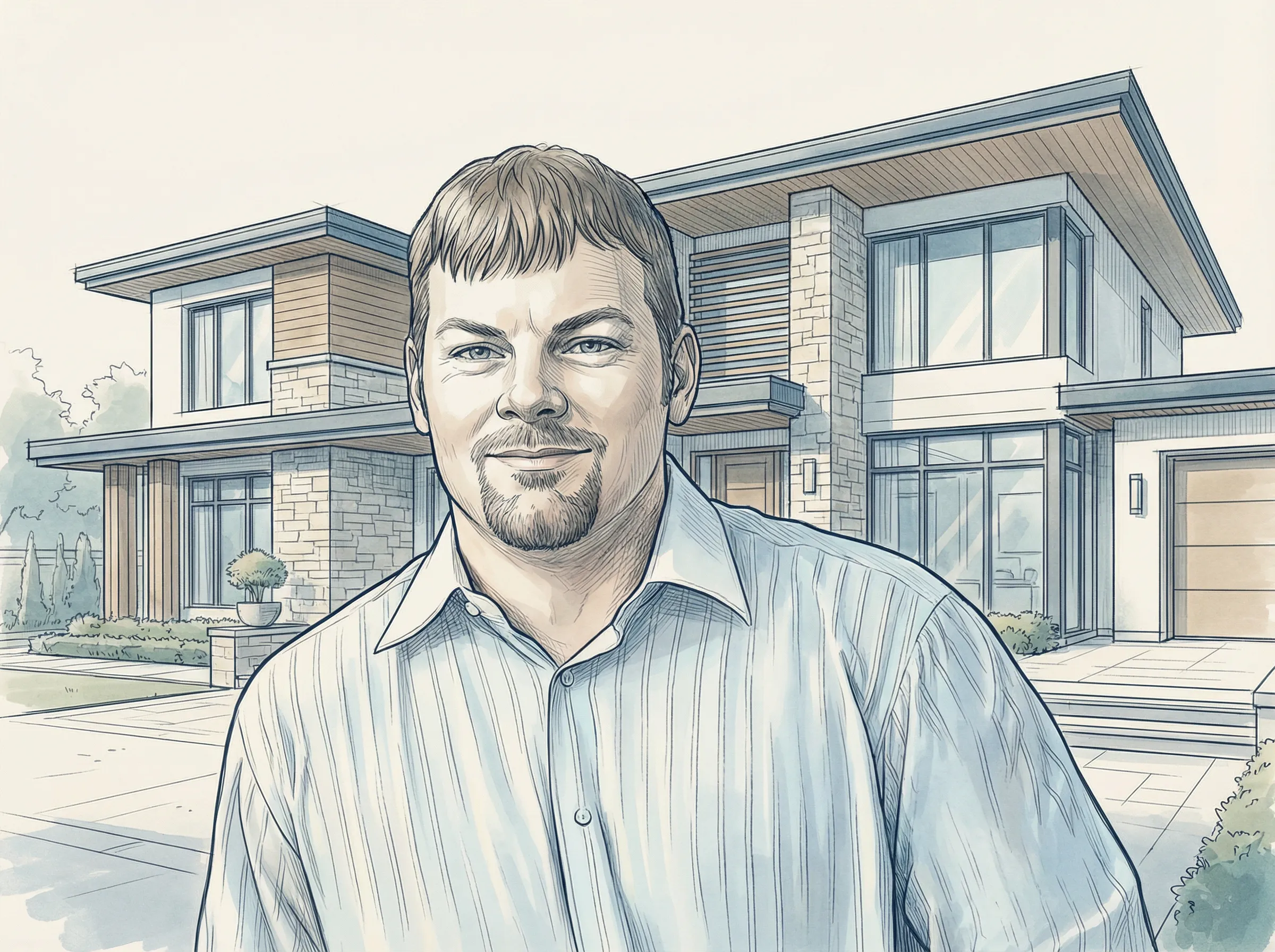
The move from professional sports to real estate is not rare, but few can match Jed Weaver’s experience navigating both the heights of a Super Bowl win and the fallout of a market crash. After three years with the Miami Dolphins and a championship season with the New England Patriots, Weaver has spent the past twenty years building a career in South Florida’s luxury residential market. His journey offers a direct view into one of the country’s most complex real estate landscapes.
A Practical Start in Real Estate
Weaver’s entry into real estate began while he was still in the NFL, sparked by a desire to save money on commissions when he and his wife bought pre-construction condos in Sunny Isles. “When I got cut and done, just to save the commissions on those deals and try to make those deals work better for us, I figured I’d keep the commissions in-house,” Weaver says. “My wife and I got our real estate licenses for that reason.”
What began as a cost-saving tactic quickly became a career. Having experienced inconsistent guidance during team moves, Weaver initially focused on helping other athletes with their real estate decisions. “I really wanted to help out the players and try to get back in the locker room and be an advisor to those guys,” he says. “It’s such a volatile business, and having good guidance can really be beneficial.”
Yet, his timing was tricky. Weaver entered real estate as the market cooled, and the 2008 crash soon followed. “We got annihilated on our condos. I always say we didn’t lose the most money in South Florida in the real estate crash, but we didn’t lose the least, that’s for sure.”
Building a Niche in Luxury
Connections with former teammates eventually led Weaver into Boca Raton’s luxury market. A meeting with broker Ari Albinder at Meisner Grand Realty marked a turning point. “He said, ‘Come work at my office. We do waterfront and oceanfront, and this is your clientele,” Weaver recalls.
This move allowed Weaver to focus on high-end areas like Boca Del Mar, Highland Beach, and the Hillsboro Mile. “You’re going to work at it, so you might as well work where you want to be and provide services for good people in the high end,” he explains.
Now with The Keyes Company, following their acquisition of Meisner Grand Realty, Weaver has broadened his reach across Florida, closing deals from the Keys to Jacksonville. Much of his client base comes from charity events and networking within affluent circles.
Luxury Market Momentum and Wealth Transfer
Despite broader economic uncertainty, South Florida’s luxury sector remains resilient. Weaver reports his office saw a 20% increase in 2025 over the previous year, continuing the momentum from the COVID-era surge.
A major force behind this strength is the generational transfer of wealth. “The amount of wealth that’s being passed down from generations – grandma has one house that they’ve owned for 50 years in South Florida. When grandma and grandpa pass away, 10 of their grandkids and their children will now be able to use their inheritance to buy homes. So instead of one person being in the market, there are 10.”
This surge in buyers, combined with South Florida’s position as a global destination, has helped sustain demand. “The amount of wealth transfer is going to be massive, and all of those people are buyers in South Florida,” Weaver says.
Recent market activity reflects this demand. “When it’s a good quality property, and it’s priced right, we’re getting multiple offers. We’re getting over asking price,” he notes. “If it’s a good property and it’s priced right, it’s selling in South Florida.”
Insurance Remains a Major Hurdle
One of the biggest challenges in the current market is Florida’s ongoing insurance crisis. “It’s a major factor,” Weaver acknowledges. Even buyers paying cash – who do not need a mortgage – are running into issues with insurance costs and availability.
These complications have changed how deals are structured. “I had cash buyers, and they still wanted to get insurance, so that was a factor in them buying their house. How old is the roof? It will be insured if it’s less than five years old, and the regular insurance companies won’t do it.”
Despite these hurdles, Weaver says luxury buyers are not changing what they want but are instead working with agents to solve insurance-related problems. This often means negotiating roof replacements or offering credits to make deals possible.
More Informed and Cautious Buyers
Today’s buyers are far more informed and selective than in previous cycles. “The assumption from two years ago that you just throw it out there and you’re going to get tons of offers and might catch somebody really overpaying – that’s dead and gone,” Weaver explains.
He says buyers now do extensive research before making offers. “There’s so much information out there that buyers are so educated now, without even getting the expertise of a realtor. Buyers don’t think they can get a steal, but if they feel like there’s value there, then buyers are in the market and places sell.”
This new environment means sellers must price realistically, especially if a property needs updating. Buyers will factor renovation costs into their offers, so homes that are overpriced or need work are less likely to move quickly.
Geography and Perceived Value
Within the luxury market, location and brand perception often matter more than objective metrics. Weaver compares similar developments, Boca Bridges and Seven Bridges, noting: “They’re literally a stone’s throw away from each other. But Boca Bridges has a higher price point because Boca gets a higher price just because people that aren’t from here – Boca has that allure, has that moxie.”
He points to Highland Beach as another example of brand-driven value. After selling a condo there to New York clients, he received feedback that confirmed the area’s reputation: “Everybody we talked to, we tell them we’re in Highland Beach, and it blows their mind. They can’t believe that we bought a condo in Highland Beach.”
Investment Opportunities and Long-Term Focus
For institutional investors, Weaver sees the strongest opportunities in new construction and assembling development sites. “New development seems to be one of the better investments. When these neighborhoods settle, and there’s no more construction, those prices are the ones that jump up some of the highest in the shortest amount of time.”
He also highlights potential in assembling lots zoned for multi-family use but currently occupied by older homes or duplexes. “You can assemble some properties, and where there are three lots that have six duplexes, now you can put 15 or 16 townhouses.”
However, he warns against expecting quick profits. “I think people get the misconception that real estate can be a profitable venture in the short term. I don’t think anyone should ever look at real estate in the short term,” he says. “You have to have the long-term mindset when it comes to real estate and return on investment.”
A Long-Term View
After twenty years in the business, including the 2008 crash, Weaver remains confident in South Florida’s long-term outlook. The combination of global appeal, limited land, and steady population growth underpins his optimism.
“In the future, more people are coming here, and there’s no room really for expansion. More people and no growth means higher prices,” he says. “There is going to be value there, but you have to have the long-term mindset.”
For Weaver, success is about building lasting relationships and helping clients make wise long-term decisions – not chasing quick wins. “It’s really just trying to cater to what they need and guide them in that direction, helping them the best way possible. I’m still here after 20 years, so it’s definitely been working.”
His experience underscores that in South Florida’s luxury real estate market, quality, realistic pricing, and a long-term approach are essential – much like the fundamentals that drive success in professional sports.
Similar Articles
Explore similar articles from Our Team of Experts.