
South Florida’s condo market has entered a downturn, pushing many affluent buyers toward single-family homes. Jerry Lechter, sales associate at Stellar Communities Realty LLC, says the fin...

Senior Housing Faces Supply Crunch as First Baby Boomers Turn 80

Written by:
Date:
06 Jan 2026
Share via Facebook

Share via Linkedin

Share via X

Copy to clipboard

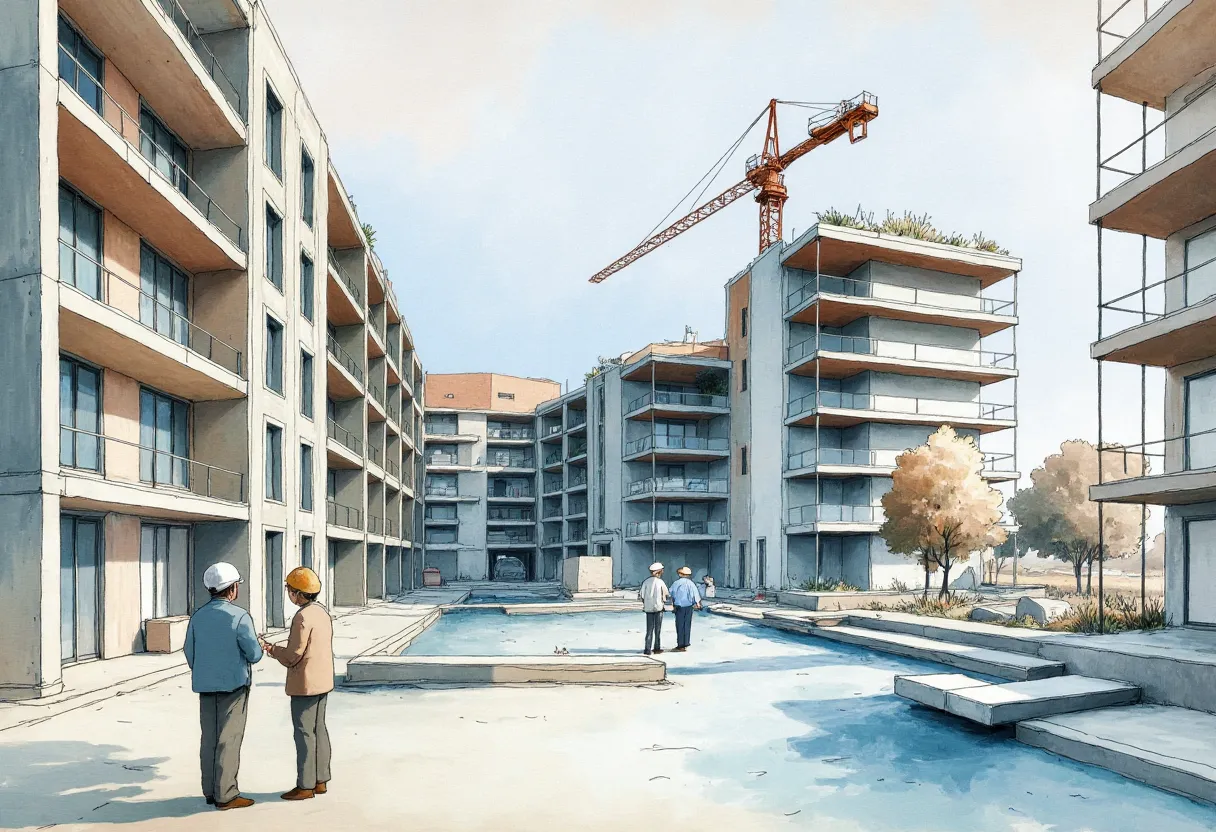
Senior housing is entering a period of acute supply pressure as a five-year construction pause meets a surge in demand from aging baby boomers. Andie Edmonds, Senior Vice President at Colliers, says the sector now faces a significant gap between available inventory and the expectations of today’s seniors.
“Construction all but stopped in 2020, right? Everybody was pulling their parents out of these places, or they had lost loved ones, or whatever was happening with COVID,” Edmonds says. “Now, five years later, the first wave of baby boomers is turning 80, and the average age for entering a senior facility is 80.”
This convergence is driving a shortage of suitable housing just as demand accelerates. Edmonds notes that the problem is not just about numbers—existing facilities were built for a previous generation with different preferences and needs.
The Active Adult Problem
Many of today’s seniors are from active 55-plus communities with amenities such as golf courses and pickleball courts. As they transition to assisted living, they want similar programming and social opportunities, a shift Edmonds says is reshaping demand.
“Even though we might be in an assisted living community, we still want active things going on—more art classes, learning how to use the iPhone, texting our grandkids on Instagram, those types of things,” Edmonds says. “People want more activities that keep them physically and mentally engaged.”
Medical advances are also allowing seniors to remain active for longer. “People are getting their hips and knees replaced, and they’re still quite active, so they want activities that weren’t available in older properties,” she adds.
This creates particular challenges for couples in which one partner requires more care than the other. “Maybe someone needs help at mealtime or managing medications, but they still want the socializing and activities. These individuals are just outside being able to live safely at home, but they don’t want to give up an active lifestyle,” Edmonds explains.
The Repositioning Strategy
With the new supply limited, older facilities are being repositioned to serve middle- and lower-income seniors who require care but cannot afford or access the latest properties. Edmonds says this is changing the market dynamics.
“Some properties that were once cutting edge—what seniors wanted at the time—are now being picked up by people who need to serve lower-income or middle-class seniors who really need care,” she says.
This repositioning allows operators to serve residents who rely on insurance programs or government funding, a group often excluded from premium facilities. The result is a tiered market: newer properties compete on amenities and programming, while older facilities adapt to serve different segments.
The Small-Scale Alternative
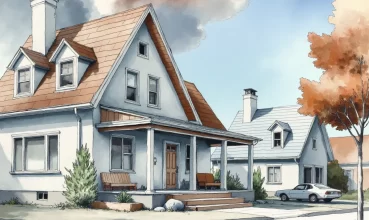
A third trend is the rise of small, home-based skilled nursing operations. Edmonds describes a growing number of large homes in residential neighborhoods that have been converted to serve four to six residents, offering a more intimate care environment.
“We’re seeing interesting growth in these tiny, skilled nursing-type homes. They’re basically large homes in the middle of neighborhoods, built as four- or six-bedroom houses,” Edmonds says.
Families are drawn to these smaller settings for more personalized care, and some operators find that funding streams are more favorable for small-scale homes. “Some of the funding available for these smaller homes is better, and they’ll take different types of insurance,” Edmonds notes.
The Sizing Question
The central question for developers is what size and format new senior housing should take. Large continuing care retirement communities—offering independent living, assisted living, memory care, and skilled nursing on one campus—have operational advantages.
“It’s nice, because you’re just moving from one building to the next, faces are familiar, and you can still congregate in similar areas,” Edmonds says.
However, the future of this model is uncertain. “Do we keep building them the same way, just with more amenities? Do we go smaller or bigger? There’s a lot of discussion, and I’m not ready to predict how it will turn out, but it’s something to watch,” she says.
Looking Ahead
Edmonds identifies the direction of senior housing development as a key trend for 2026. Developers and operators must decide where to build, what facility sizes to use, and which amenities to offer.
“What’s the direction that senior housing developers and operators are going to move towards? Where will they place their facilities? How will they develop those? What size are they going to be? What are the amenities?” she asks.
While answers will vary by market and operator, one pattern is clear: the era of one-size-fits-all senior housing is ending. The market now demands segmentation and specialization, with a greater focus on the wants and needs of different groups of seniors as they age. As the first wave of baby boomers turns 80, the industry faces urgent decisions about how to design, size, and program the next generation of senior housing.
Similar Articles
Explore similar articles from Our Team of Experts.